
Trump Rejects Iran Strait Roadmap as Energy Markets Brace for Volatility
Washington has dismissed a Qatari-mediated Iranian proposal to reopen the Strait of Hormuz and resume nuclear talks, intensifying energy market anxieties.
Geopolitical & Core Developments
Washington has formally rejected a high-stakes diplomatic overture submitted by Tehran through Qatari intermediaries, which proposed a comprehensive seven-day roadmap to reopen the strategically vital Strait of Hormuz and simultaneously resume stalled nuclear negotiations. The Iranian proposal, delivered amid mounting naval friction in the Persian Gulf, sought a reciprocal suspension of recent economic pressures in exchange for guaranteed commercial maritime transit and renewed diplomatic engagement.
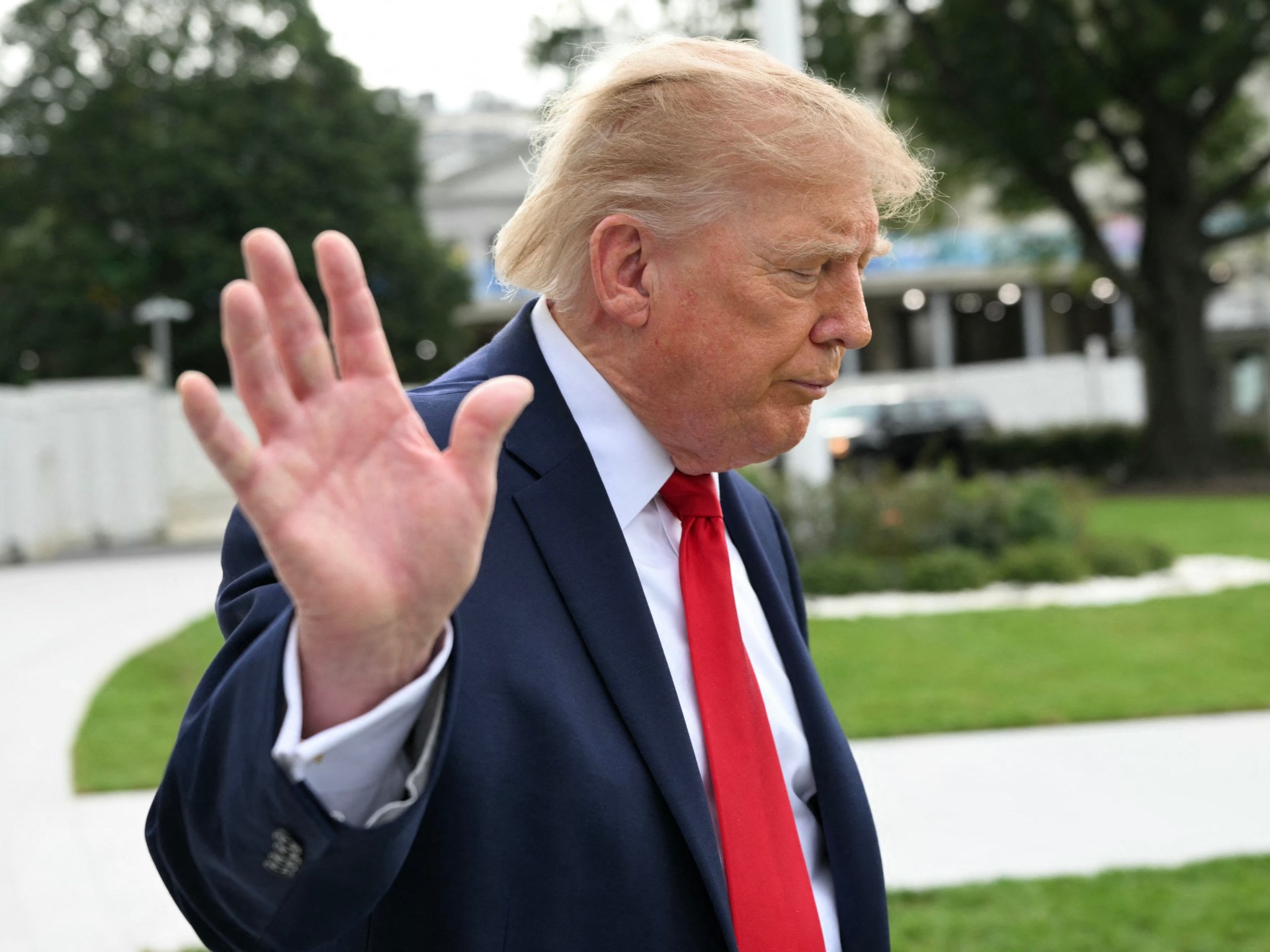
However, the administration of US President Donald Trump rebuffed the initiative, maintaining its strict 'maximum pressure' posture. American officials insisted that unilateral maritime disruptions engineered by Tehran cannot be leveraged as a diplomatic bargaining chip. The breakdown of this backchannel effort underscores the deep-seated mistrust paralyzing direct or indirect communication channels between Washington and Tehran, leaving regional security architectures acutely fragile as naval patrols maintain a high-alert posture across Gulf waterways.
Global Trade & Economic Ripples
As the primary maritime chokepoint for nearly a fifth of the world's petroleum consumption, the continued uncertainty surrounding the Strait of Hormuz has sent immediate shockwaves through international commodity markets. Energy traders immediately priced in elevated risk premiums, driving Brent and West Texas Intermediate crude benchmarks higher as physical oil flows face potential constriction.
Beyond immediate petroleum pricing, the standoff threatens broader global supply chains and maritime logistics. Global shipping conglomerates are actively reassessing risk matrices for vessels transiting the Arabian Sea and the Persian Gulf, driving up maritime insurance rates and freight charter costs. Higher bunker fuel prices and prolonged transit routes resulting from potential security detours are cascading into wider inflationary pressures, directly impacting importing economies across Asia and Europe that rely heavily on Middle Eastern hydrocarbons and liquefied natural gas.
Related Intelligence: Deadly Blast in Pakistan Raises Regional Security and Trade Concerns
International Reactions & Diplomatic Stances
International capitals and multilateral organizations have responded to the diplomatic impasse with profound alarm. The United Nations Secretary-General issued an urgent appeal for maximum restraint from all state actors, emphasizing that freedom of navigation under international maritime law must be preserved without exception. European diplomatic corps expressed deep regret over the squandered opening for dialogue, warning that the absence of a negotiated framework dramatically increases the probability of miscalculation at sea.
Market analysts and geopolitical risk consultancies have cautioned that the failure of the Qatari-mediated initiative removes a crucial safety valve. Major energy-importing nations, particularly in East Asia, have begun reviewing strategic petroleum reserves and contingency import routes to buffer against potential supply shocks should the maritime standoff escalate into active kinetic disruption.
Strategic Outlook & Future Scenarios
Looking ahead, the geopolitical trajectory in the Persian Gulf remains dangerously volatile. Without an active diplomatic channel to de-escalate maritime tensions, the risk of localized naval skirmishes or electronic interference with commercial shipping has risen exponentially. Upcoming ministerial meetings at the United Nations General Assembly and regional security forums will serve as critical barometers for whether alternative backchannels can be established.
Sanctions enforcement is expected to tighten further as Washington seeks to counter Iran's leverage, potentially targeting clandestine petroleum export networks and financial intermediaries. For global markets, the overarching outlook dictates a prolonged period of elevated energy price volatility, forcing corporate strategists and policymakers to price sustained geopolitical risk into their long-term economic planning.
Join Our Official WhatsApp Channel
Receive live commodity alerts, policy changes, and commercial intelligence directly on WhatsApp.