
Iran Halts Direct US Diplomacy Amid Deepening Middle East Tensions
Iranian President Pezeshkian announced a total halt to direct talks with Washington, relying on intermediaries like Qatar and Pakistan, escalating geopolitical risks for global trade and energy markets.
Geopolitical & Core Developments
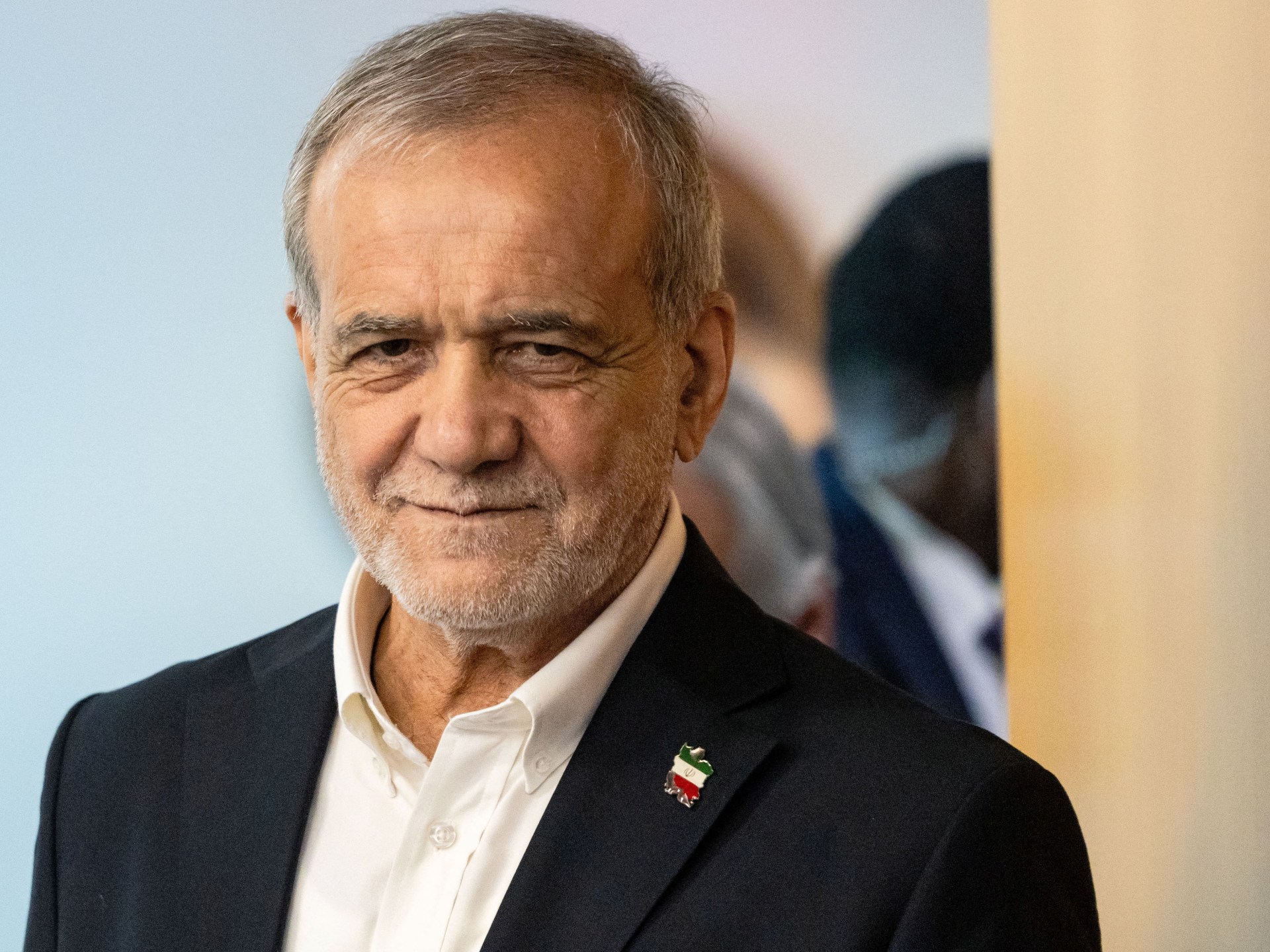
In a high-stakes diplomatic shift, Iranian President Masoud Pezeshkian declared that Tehran has lost all remaining trust in direct negotiations with Washington, effectively freezing bilateral diplomatic channels that had intermittently managed regional flare-ups. Speaking in an exclusive interview with Al Jazeera, Pezeshkian emphasized that while direct engagement has collapsed due to broken commitments and escalating hostilities, communication has not entirely ceased. Instead, regional allies acting as trusted third-party intermediaries, specifically Qatar and Pakistan, have assumed the mantle of relaying vital strategic messages between Tehran and US officials.
This mediated diplomacy highlights a fragile architectural framework governing Middle Eastern security. The breakdown follows months of failed indirect efforts to revive the 2015 Joint Comprehensive Plan of Action (JCPOA) and rising friction over regional proxy dynamics. By shifting reliance to Doha and Islamabad, Tehran aims to maintain a tactical safety valve to prevent catastrophic miscalculations while signaling domestically that Washington's diplomatic overtures are viewed with profound skepticism. State actors across the region are closely monitoring this pivot, as the absence of direct dialogue drastically narrows the margin for error during crises.
Global Trade & Economic Ripples
The formal abandonment of direct US-Iran talks carries immediate ramifications for global commodity markets, particularly international crude oil pricing and maritime logistics. Energy traders immediately priced in a renewed risk premium following Pezeshkian's remarks, fearing that diminished diplomatic contact increases the likelihood of renewed disruptions in the Strait of Hormuz—a vital chokepoint through which roughly a fifth of the world's petroleum supply passes.
Global shipping lines and marine insurers are re-evaluating risk matrices across the Persian Gulf and the Gulf of Oman. Any escalation in geopolitical hostility directly threatens supply chain stability for petrochemicals, fertilizers, and liquefied natural gas (LNG). Furthermore, currency markets reacted with slight volatility, with safe-haven assets finding marginal support as institutional investors hedge against potential military escalation or the imposition of harsher, secondary enforcement mechanisms on Iranian energy exports. Commodities desks remain on high alert for any sudden shifts in enforcement policies regarding illicit petroleum flows.
Related Intelligence: Trump Rejects Iran Ceasefire Proposal Amid Escalating Geopolitical Tensions
International Reactions & Diplomatic Stances
International capitals and multilateral organizations have responded with cautious concern to Tehran's announcement. United Nations officials reiterated the imperative of maintaining open lines of communication to prevent regional conflict from spiraling out of control. European Union diplomatic services underscored that while the path to reviving nuclear diplomacy remains obstructed, the role of regional mediators like Qatar is indispensable for de-escalation.
Market analysts and geopolitical risk consultancies note that Doha's and Islamabad's willingness to shoulder the intermediary burden reflects a shared regional anxiety over a wider conflagration. Gulf Cooperation Council (GCC) members have privately welcomed continued indirect dialogue, emphasizing that regional economic integration and mega-project pipelines rely heavily on sustained stability. However, Washington has maintained a measured public posture, reiterating its openness to diplomacy while emphasizing that the onus remains on Tehran to alter its regional posture and nuclear trajectory.
Strategic Outlook & Future Scenarios
Looking ahead, the reliance on proxy diplomacy through Gulf and South Asian intermediaries is expected to define the immediate geopolitical horizon. Without direct US-Iran talks, upcoming international summits and diplomatic forums will likely witness intense behind-the-scenes maneuvering mediated by Qatari and Pakistani delegations. The trajectory of global sanctions enforcement will depend heavily on whether these indirect channels can successfully manage localized escalations or prevent cyber and maritime flashpoints.
In the medium term, analysts project a protracted diplomatic stalemate characterized by economic coercion, cyber warfare, and heightened naval vigilance. Unless a credible framework for confidence-building emerges, global commodity markets must price in a permanently elevated baseline of geopolitical risk, making supply chain resilience and energy diversification critical priorities for industrial economies worldwide.
Join Our Official WhatsApp Channel
Receive live commodity alerts, policy changes, and commercial intelligence directly on WhatsApp.