
HRCP Flags Rights Violations as Gaps Threaten Investment and Economic Stability
Pakistan's Human Rights Commission warned that persistent violations against religious minorities continue despite legislative reforms, raising serious risks for institutional credibility, labor stability, and international trade relations.
The Core Development
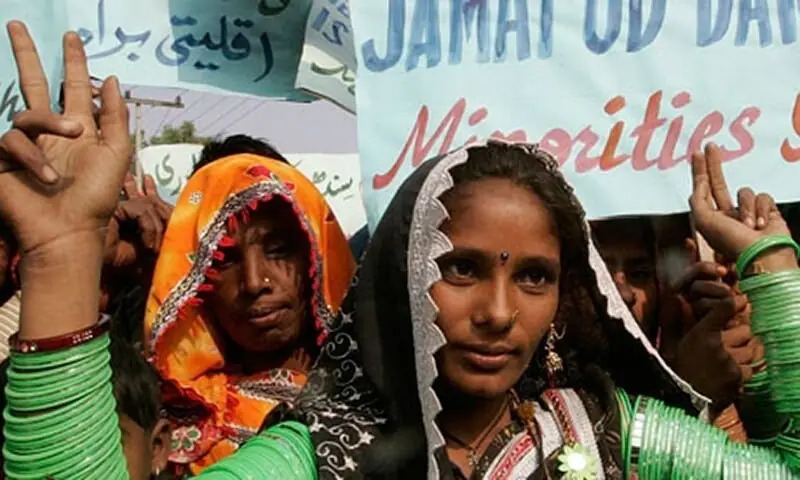
The Human Rights Commission of Pakistan (HRCP) released its seventh annual monitoring document on freedom of religion, titled "Sanctuary Denied: Freedom of Religion or Belief in 2025/26," cataloging persistent institutional and societal violations against minority communities. Despite recent legislative protections enacted at federal and provincial levels, the independent rights watchdog documented widespread abuses, including the systemic weaponization of blasphemy statutes, forced conversions, coerced marriages, and targeted hate speech.
According to findings detailed in Lahore, scores of accused individuals remain trapped in judicial gridlock without bail or fair hearings, while law enforcement authorities have failed to investigate documented entrapment networks operating in digital and commercial spaces. The report highlighted consecutive acts of targeted aggression against the Ahmadi community, specifically documenting major assaults in Chenab Nagar in October 2025 and June 2026, alongside escalating attempts to bar minority citizens from civic participation and professional services. The HRCP underscored that administrative inaction and structural impunity continue to neutralize statutory safe-harbor protections.
Commercial & Economic Implications
Beyond civil society repercussions, the deterioration of fundamental legal guarantees carries severe economic consequences for Pakistan's volatile macroeconomic environment. Commercial and retail sectors depend intrinsically on domestic stability, personal security, and unencumbered commercial transactions. In urban retail hubs and wholesale clusters across Punjab and Sindh, incidents of religiously motivated harassment frequently trigger arbitrary shutdowns, inventory losses, and disruptions to supply chains.
Furthermore, minority-owned enterprises, distribution units, and vulnerable workforces face disproportionate operating risks, translating into higher capital security premiums and insurance hurdles. On a macroeconomic scale, systemic non-compliance with international human rights covenants places Pakistan’s Generalized Scheme of Preferences (GSP Plus) status with the European Union under intensified scrutiny. The GSP Plus framework is pivotal for Pakistan's textile exports, securing preferential tariff access worth billions of dollars annually. Deteriorating human rights metrics undermine ongoing trade evaluations, jeopardizing export competitiveness and exacerbating foreign exchange deficits.
Related Intelligence: Starshield Satellite Controls Reshape Geopolitical Security and Defense Supply Chains
Stakeholder Perspectives & Market Reactions
Corporate chambers and trade associations have voiced quiet concern regarding the economic externalities of social volatility. Legal analysts note that the failure to deter digital extortion and legal entrapment schemes damages the broader contractual climate, deterring foreign direct investment across emerging industrial sectors. Multinationals evaluating joint ventures in logistics, manufacturing, and technology increasingly cite domestic human rights compliance and social governance within their risk assessment matrixes.
Simultaneously, advocacy organizations and minority business networks have petitioned the judiciary for substantive protection protocols rather than nominal statutory amendments. Civil rights attorneys emphasized that until law enforcement bodies establish clear accountability for frivolous blasphemy litigation and coordinated vigilante acts, commercial confidence among affected demographics will remain severely impaired.
Forward Outlook & Key Watchpoints
The trajectory of minority protections will serve as a bellwether for Pakistan's regulatory modernization and external economic diplomacy. Key upcoming indicators include the federal executive's review of administrative safeguards against digital entrapment, police standard operating procedures for minority enclaves, and judicial timelines on long-pending blasphemy appeals.
Market observers will closely follow EU monitoring delegation reviews scheduled over the coming fiscal year to evaluate whether legislative efforts translate into measurable ground-level enforcement. Stabilizing domestic labor markets and reassuring international trade partners will require provincial authorities to dismantle coercive networks, uphold the rule of law, and establish institutional guarantees that protect all commercial actors irrespective of religious affiliation.
Join Our Official WhatsApp Channel
Receive live commodity alerts, policy changes, and commercial intelligence directly on WhatsApp.