
US-Iran Diplomacy Falters in New York Amid Deepening Regional Strains
Intense diplomatic maneuvering at the United Nations fails to yield a breakthrough between Washington and Tehran, leaving core sanctions disputes and regional tensions unresolved.
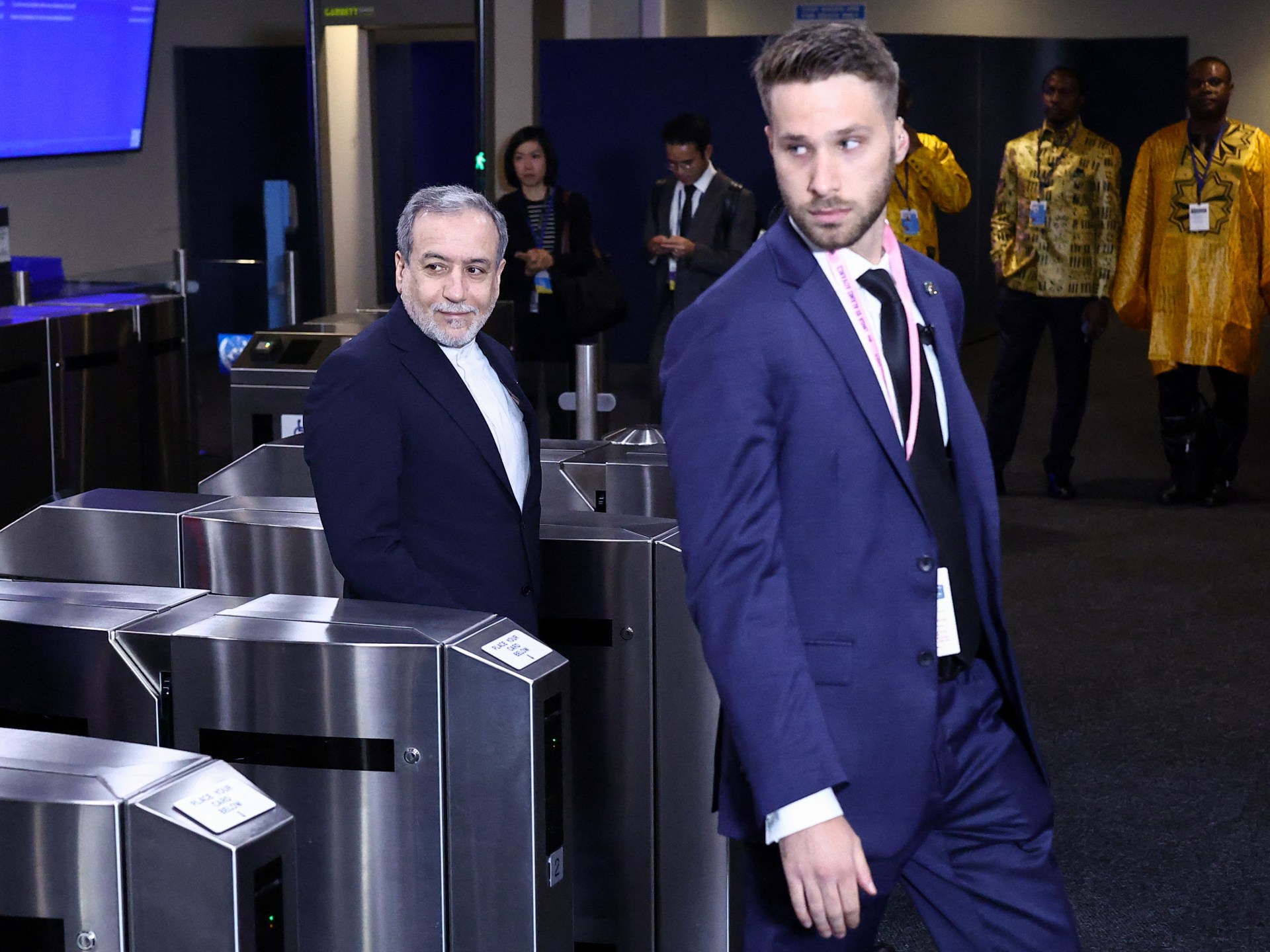
Geopolitical & Core Developments
The annual diplomatic pilgrimage to the United Nations headquarters in New York has once again highlighted the intractable nature of US-Iranian relations. Despite a flurry of closed-door meetings, backchannel communications, and European-led mediation efforts, a diplomatic breakthrough remains elusive. State actors on both sides continue to reiterate long-standing positions, with Washington demanding verifiable rollbacks of Iran's nuclear enrichment program and an end to proxy warfare, while Tehran insists on comprehensive sanctions relief and absolute sovereignty over its technological trajectory. Strategic stakes are exceptionally high, as the diplomatic impasse directly feeds into escalating proxy conflicts across the Middle East, drawing in regional powers and raising the specter of direct military miscalculation. Analysts note that while both administrations recognize the utility of maintaining diplomatic channels to manage crisis escalation, neither domestic political landscape currently affords the flexibility required for a grand bargain.
[Global Trade](/news/trump-xi-summit-geopolitical-friction-and-global-trade-stakes) & Economic Ripples
The failure to achieve a diplomatic breakthrough carries immediate ramifications for global commodity markets, particularly international energy complexes. Crude oil benchmarks continue to exhibit heightened volatility, pricing in a persistent risk premium associated with potential supply disruptions in the Persian Gulf and the Strait of Hormuz—a critical maritime chokepoint through which a significant portion of the world's petroleum transits. Shipping insurers and maritime operators remain on high alert, factoring elevated threat levels into freight rates and operational logistics. Beyond energy, international trade corridors linking Europe and Asia face indirect pressures as secondary sanctions enforcement tightens, compelling global supply chain managers to rigorously audit compliance and reroute financial transactions to bypass restricted banking networks. Foreign exchange markets have similarly reacted, with regional currencies reflecting heightened geopolitical risk aversion.
Related Intelligence: UNGA High-Stakes Addresses Focus on Iran and Ukraine Crises
International Reactions & Diplomatic Stances
Multilateral bodies and international observers have expressed guarded concern over the stalled dialogue. United Nations officials have continually emphasized that sustained diplomatic engagement is the only viable pathway to long-term regional stability, warning that the erosion of non-proliferation frameworks poses a systemic threat to international security. European Union coordinators, who have historically acted as crucial intermediaries between Washington and Tehran, have urged both capitals to exercise maximum restraint and avoid provocative escalations in the interim. Meanwhile, energy market analysts and international chambers of commerce have cautioned that prolonged uncertainty paralyzes long-term capital investment in critical infrastructure, leaving commodity supply chains vulnerable to sudden geopolitical shocks.
Strategic Outlook & Future Scenarios
Looking ahead, the trajectory of US-Iran relations points toward a prolonged phase of managed hostility rather than active reconciliation. Upcoming international summits and regional security forums will likely serve as pressure valves rather than venues for substantive breakthroughs. Washington is anticipated to maintain, and potentially intensify, its economic pressure campaign through rigorous enforcement of existing sanctions, targeting illicit petroleum exports and financial networks. Conversely, Tehran may continue its calibrated advancement of nuclear capabilities as leverage, testing the red lines of Western policymakers. Geopolitical escalation points remain heavily concentrated around maritime security incidents in Gulf waters and proxy engagements across the Levant, ensuring that global markets and diplomatic corps remain on perpetual alert.
Join Our Official WhatsApp Channel
Receive live commodity alerts, policy changes, and commercial intelligence directly on WhatsApp.