
UNGA High-Stakes Addresses Focus on Iran and Ukraine Crises
World leaders converge at the UN General Assembly for high-stakes addresses by Iran and Ukraine, intensifying geopolitical scrutiny on energy markets and global security.
Geopolitical & Core Developments
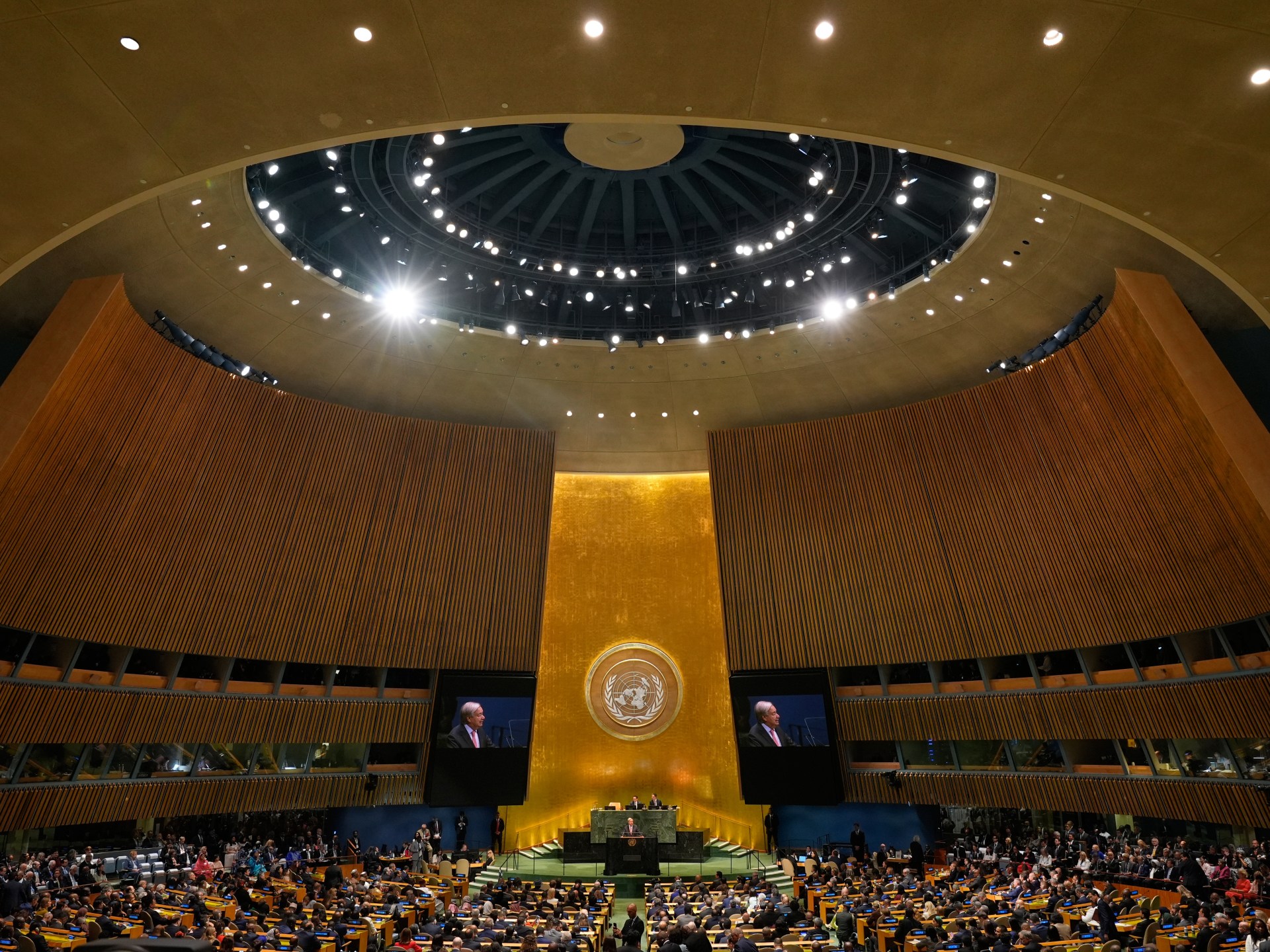
The seventy-ninth session of the United Nations General Assembly has entered its critical high-level debate phase, drawing global attention as heads of state from crisis-affected regions take the podium in New York. Among the most anticipated addresses are those delivered by Iranian President Masoud Pezeshkian and Ukrainian President Volodymyr Zelenskyy. These speeches unfold against a backdrop of deeply fractured international relations, protracted regional conflicts, and escalating strategic competition among major global powers.
For Tehran, President Pezeshkian's address serves as a pivotal platform to articulate Iran's foreign policy posture amid stalled nuclear negotiations, intensifying regional proxies, and heightened friction with Israel and Western nations. Observers are closely monitoring whether the administration signals a willingness to engage in diplomatic de-escalation or hardens its stance in response to tightening economic sanctions. Simultaneously, Ukrainian President Zelenskyy faces a critical imperative to maintain international solidarity and financial backing as his nation endures relentless infrastructural assaults and protracted front-line attrition.
The juxtaposition of these addresses highlights the interconnected nature of contemporary security architectures. Developments in the Black Sea grain corridors and the Persian Gulf chokepoints directly influence strategic calculations in Washington, Brussels, Moscow, and Beijing, turning the UN General Assembly into a high-stakes arena for diplomatic positioning and coalition-building.
[Global Trade](/news/trump-xi-summit-geopolitical-friction-and-global-trade-stakes) & Economic Ripples
International commodity markets and global supply chains remain acutely sensitive to the rhetoric and diplomatic outcomes emerging from the UN General Assembly. Energy markets, in particular, are pricing in heightened geopolitical risk premiums. Any escalation in rhetoric or retaliatory measures involving Iran directly threatens stability in the Strait of Hormuz, a vital maritime transit artery carrying a significant percentage of the world's petroleum supply. Crude oil futures have experienced heightened volatility as traders weigh potential supply disruptions against prevailing macroeconomic demand constraints.
Similarly, ongoing hostilities involving Ukraine continue to cast a long shadow over agricultural commodities, fertilizer inputs, and European industrial energy costs. The disruption of Black Sea shipping lanes and the systematic targeting of agrarian infrastructure have structurally altered global grain flows, forcing emerging market economies to navigate inflationary pressures and shifting trade routes. International shipping conglomerates are continuously reassessing transit risk assessments, leading to prolonged voyage times and elevated freight insurance premiums that ultimately feed into consumer price indexes worldwide.
Furthermore, currency markets are reacting to the underlying fiscal strains induced by prolonged military engagements and sanctions regimes. Central banks across both developed and developing economies are adjusting monetary policy pathways to insulate against imported inflation driven by commodity price shocks originating from these geopolitical flashpoints.
Related Intelligence: Severe El Nino Threatens Global Supply Chains and Half a Million Lives
International Reactions & Diplomatic Stances
Official responses from multilateral institutions and global capitals reflect deep apprehension over the trajectory of international law and collective security mechanisms. United Nations Secretary-General António Guterres has repeatedly emphasized the urgent need for multilateral cooperation, warning that deepening geopolitical divides threaten to render global governance frameworks ineffective.
Western governments have reiterated their unwavering support for Ukraine's territorial integrity while maintaining strict economic measures against Moscow. Concurrently, diplomatic channels involving European Union intermediaries and regional Middle Eastern states are actively working behind the scenes to establish de-confliction channels. Market analysts and economic think tanks have issued advisories warning corporate stakeholders to maintain robust supply chain contingencies, noting that traditional risk management models are increasingly inadequate in an era of fragmented globalization.
Strategic Outlook & Future Scenarios
Looking ahead, the diplomatic maneuvers witnessed at the UN General Assembly are expected to shape geopolitical alignments and commercial strategies well into the coming fiscal quarters. Upcoming international summits, including upcoming G20 ministerial meetings and climate conferences, will serve as subsequent litmus tests for whether diplomatic engagement can yield tangible compromises.
Key escalation points to monitor include potential adjustments to international sanctions enforcement, maritime security deployments in critical trade chokepoints, and shifts in fiscal policies among major energy-exporting nations. While the baseline scenario anticipates continued diplomatic posturing without immediate military breakthroughs, the risk of secondary economic sanctions and unexpected supply shocks necessitates high vigilance among international traders, corporate strategists, and institutional investors navigating the complex global landscape.
Join Our Official WhatsApp Channel
Receive live commodity alerts, policy changes, and commercial intelligence directly on WhatsApp.