
Indonesian Wildfire Toxic Smog Sparks Regional Health and Trade Crisis
Severe wildfires across Indonesia have sickened 175,000 citizens with toxic smog since August, threatening regional agricultural supply chains and prompting international calls for enhanced cross-border environmental governance.
Geopolitical & Core Developments
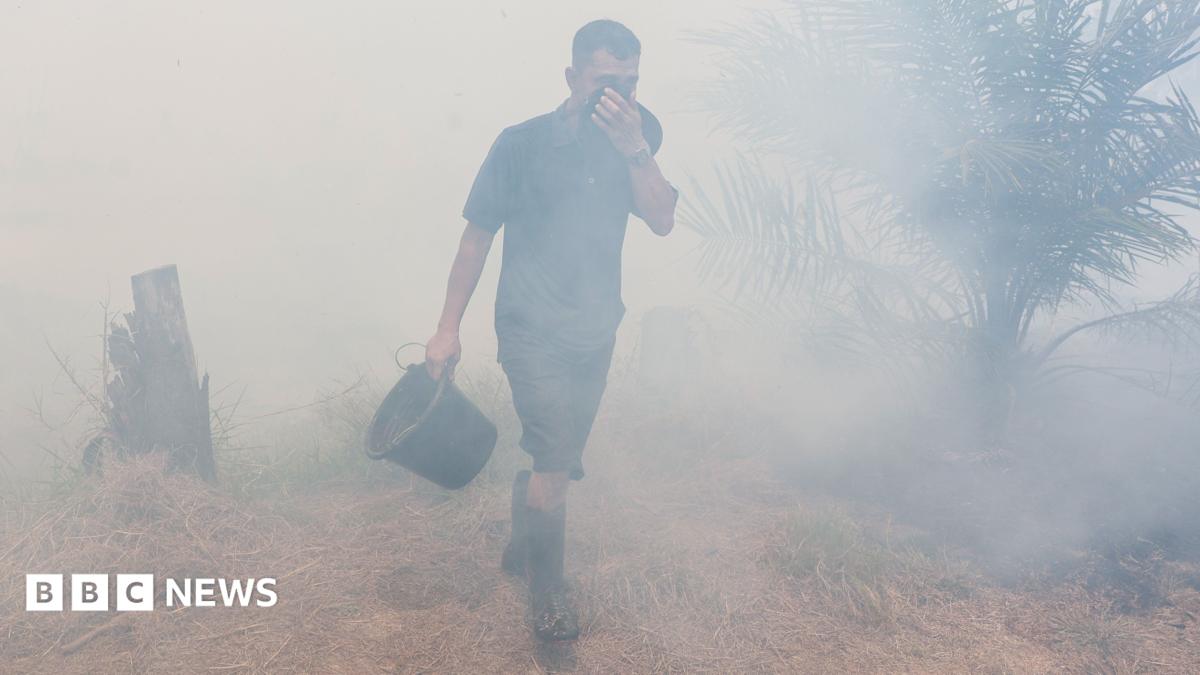
A severe environmental and public health crisis has unfolded across the Indonesian archipelago, driven by intensive peatland and forest fires that ignited in August. The catastrophe has directly impacted more than 175,000 citizens suffering from acute respiratory infections, overwhelming local healthcare infrastructure across Sumatra and Kalimantan. The recurrent seasonal fires, frequently exacerbated by slash-and-burn agricultural clearing and prolonged drought conditions tied to shifting climate patterns, have transformed into a major diplomatic challenge for Jakarta.
State actors across Southeast Asia are increasingly pressured to address the transboundary nature of the toxic haze, which regularly drifts across national borders into Malaysia, Singapore, and Brunei. The geopolitical stakes center on Indonesia's enforcement of environmental regulations and land-use policies. Despite previous legislative crackdowns on corporate-backed illegal burning, weak local enforcement, corruption, and systemic monitoring challenges continue to undermine federal directives. The persistent recurrence of these disasters highlights deep vulnerabilities in national disaster management frameworks and poses significant questions regarding Indonesia's commitment to international carbon emission reduction pledges.
[Global Trade](/news/trump-xi-summit-geopolitical-friction-and-global-trade-stakes) & Economic Ripples
The environmental degradation and emergency containment measures are exerting tangible pressures on global commodity markets, particularly concerning Southeast Asia's agricultural export complex. Indonesia remains the world's leading producer and exporter of palm oil, alongside substantial timber, pulp, and paper outputs. Prolonged smoke haze and health emergency declarations severely disrupt local labor productivity, halting plantation operations and logistics networks in key producing provinces.
Supply chain disruptions threaten to tighten global vegetable oil inventories, pushing benchmark crude palm oil futures upward on international exchanges in Kuala Lumpur and Rotterdam. Furthermore, maritime visibility reductions across the Strait of Malacca—one of the world's busiest shipping lanes—pose temporary navigational hazards, slowing cargo transit times and increasing freight insurance premiums. Multinational corporations sourcing from the region face mounting scrutiny from international ESG (Environmental, Social, and Governance) investors, threatening capital access and long-term commodity pricing stability if sustainable land management standards remain unenforced.
Related Intelligence: Ethiopian Rebel Alliance Threatens Stability and Regional Trade
International Reactions & Diplomatic Stances
International bodies and regional multilateral institutions have expressed profound concern over the escalating humanitarian and environmental toll. The Association of Southeast Asian Nations (ASEAN) Coordinating Centre for Transboundary Haze Pollution Control has mobilized technical monitoring task forces, though critics argue that the bloc's foundational principle of non-interference limits coercive enforcement against errant member states.
The United Nations Environment Programme (UNEP) has issued urgent advisories emphasizing the critical need to restore degraded carbon-rich peat ecosystems, which release massive volumes of greenhouse gases when ignited. Meanwhile, trade partners in the European Union are closely monitoring the crisis to evaluate compliance with stringent new anti-deforestation due diligence regulations, signaling that future Indonesian commodity exports may face severe market access barriers if ecological degradation persists.
Strategic Outlook & Future Scenarios
As Indonesia navigates this multi-dimensional crisis, the medium-term trajectory depends heavily on meteorological shifts and executive policy enforcement. The impending transition of the regional monsoon cycle offers the primary natural mechanism for extinguishing the remaining peat fires, yet structural vulnerabilities guarantee that future dry seasons will trigger renewed outbreaks unless deep structural reforms are implemented.
Upcoming regional summits will likely focus on strengthening the ASEAN Agreement on Transboundary Haze Pollution through binding legal mechanisms and shared satellite monitoring systems. For global markets, the episode serves as a stark reminder of climate-induced supply chain fragility. Escalating regulatory pressure from Western consumer markets, combined with domestic economic losses, may compel Jakarta to accelerate investments in green agricultural technologies and strict corporate accountability to safeguard both public health and international trade standing.
Join Our Official WhatsApp Channel
Receive live commodity alerts, policy changes, and commercial intelligence directly on WhatsApp.