
Severe El Nino Threatens Global Supply Chains and Half a Million Lives
An intensifying El Nino cycle threatens devastating humanitarian tolls and severe disruptions across international commodity and energy markets.
Geopolitical & Core Developments
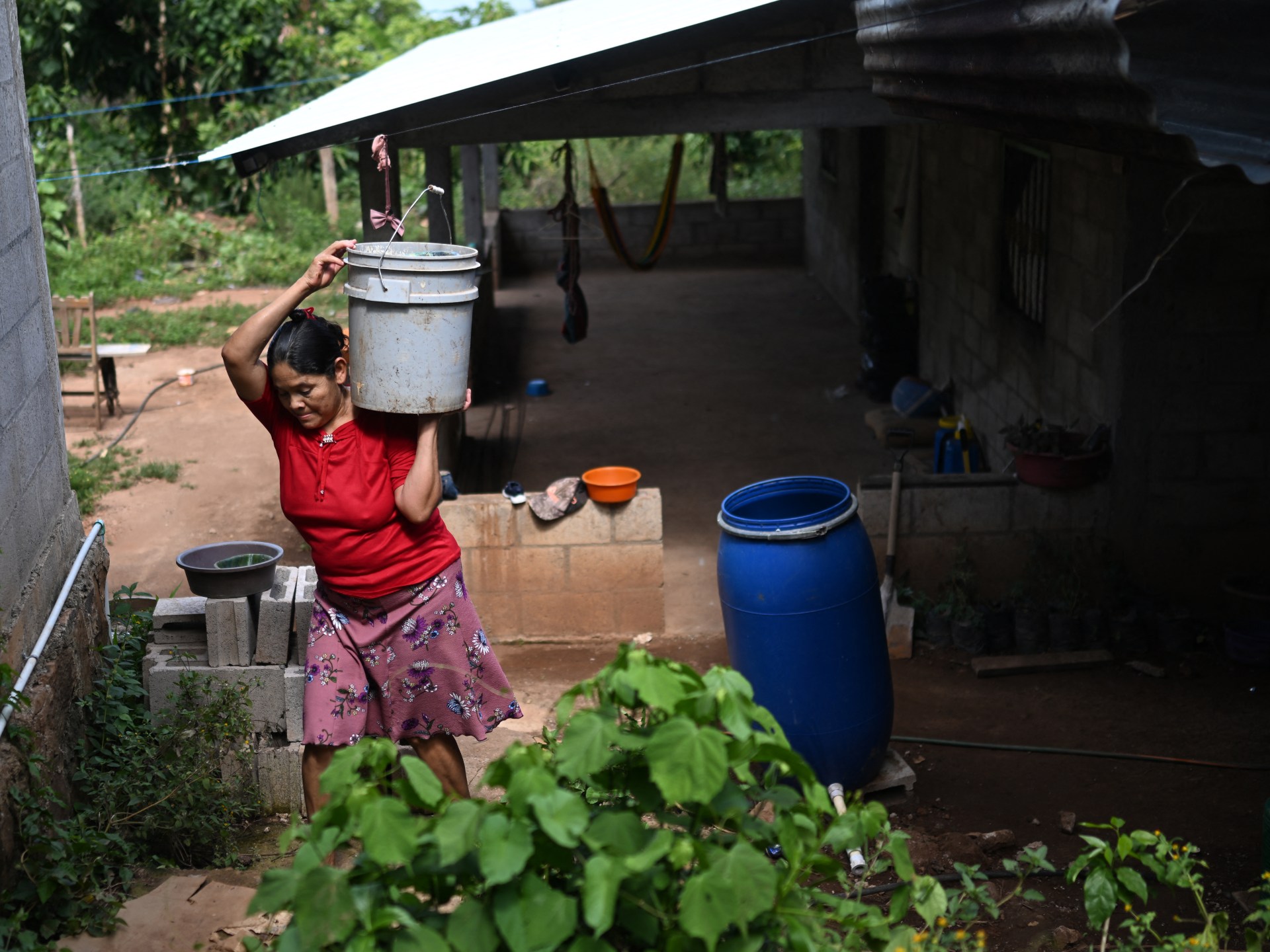
The emergence of a powerful El Nino climate pattern threatens to trigger humanitarian crises across vulnerable developing nations, with scientific projections indicating a potential death toll exceeding 450,000 individuals. This meteorological phenomenon, characterized by the warming of surface waters in the central and eastern Pacific Ocean, directly alters global atmospheric circulation. State actors across the Global South, many of already grappling with fragile post-pandemic economic recoveries, face compounding threats of severe droughts, torrential flooding, and unprecedented agricultural collapse.
Diplomatic channels are increasingly seized with climate-security nexus discussions as national governments recognize that climate-induced instability transcends traditional borders. Historical precedents indicate that severe El Nino cycles exacerbate regional conflicts over dwindling freshwater and arable land resources, forcing mass migrations and placing acute pressure on regional security apparatuses. Strategic stakeholders in international governance are racing to establish coordinated monitoring frameworks, yet systemic structural fragilities in developing states severely limit local adaptation capacities.
[Global Trade](/news/trump-xi-summit-geopolitical-friction-and-global-trade-stakes) & Economic Ripples
The anticipated severity of this El Nino cycle introduces profound systemic risks to international commodity markets, global supply chains, and maritime trade corridors. Agricultural powerhouses across Southeast Asia, Latin America, and Sub-Saharan Africa report diminishing yield expectations for critical staple crops, including wheat, rice, soybeans, and palm oil. Consequently, international agricultural futures face sustained upward pricing pressure, threatening to reignite global food inflation indices that central banks have struggled to tame.
Energy markets remain acutely exposed to climate-driven disruptions. Hydroelectric generation capacities in Latin America and parts of Asia face severe curtailments due to prolonged droughts, forcing a compensatory surge in demand for liquefied natural gas (LNG), coal, and refined petroleum products. Furthermore, altered weather patterns threaten maritime logistics, including potential low-water constraints across vital shipping arteries such as the Panama Canal. These logistical bottlenecks risk extending transit times, inflating freight rates, and compounding inventory costs for multinational corporations operating complex, just-in-time supply chains.
Related Intelligence: Indonesian Haze Crisis Triggers Regional Health Emergency and Trade Disruption
International Reactions & Diplomatic Stances
Multilateral institutions have issued urgent warnings regarding the economic and humanitarian fallout of the unfolding climate anomaly. The United Nations Food and Agriculture Organization (FAO) alongside the World Meteorological Organization (WMO) have called for immediate preventative financing packages to pre-position food reserves in high-risk zones. International financial institutions, including the World Bank and the International Monetary Fund, are under mounting pressure to deploy emergency credit facilities and debt-relief mechanisms for nations facing catastrophic import bills.
Major economies and traditional donor governments are currently recalibrating their foreign assistance budgets to address impending humanitarian emergencies. However, geopolitical fragmentation and competing fiscal pressures within donor nations threaten to delay necessary capital injections. Market analysts warn that absent a unified international financial response, localized agricultural failures could cascade into sovereign debt distress for import-dependent developing nations, destabilizing broader regional economies.
Strategic Outlook & Future Scenarios
Looking toward the medium term, the trajectory of this El Nino event will serve as a critical stress test for global supply chain resilience and international disaster response mechanisms. Upcoming international climate summits and trade ministerial meetings must confront the reality of accelerating climate volatility as a permanent structural risk to commercial operations and global macroeconomic stability.
Geopolitical escalation points are likely to center on export restrictions imposed by major agricultural producers seeking to secure domestic food supplies. Such protectionist measures historically trigger retaliatory trade policies, exacerbating global shortages and widening the economic divide between advanced industrial economies and vulnerable developing states. As extreme weather events increase in frequency and magnitude, the imperative for structural reform in international trade agreements and commodity reserve management becomes increasingly urgent.
Join Our Official WhatsApp Channel
Receive live commodity alerts, policy changes, and commercial intelligence directly on WhatsApp.