
Poland Scrambles Jets After Russian Helicopter Violates Airspace
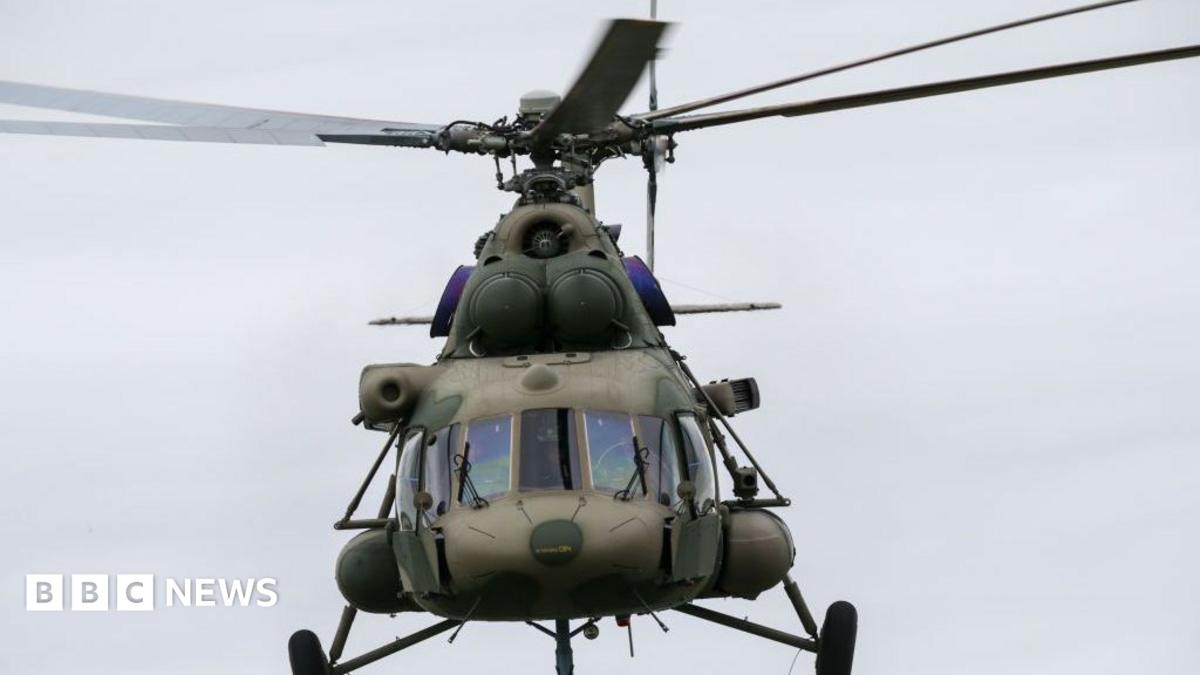
Poland scrambled fighter jets after a Russian military helicopter breached its airspace for 42 seconds, intensifying NATO eastern flank security concerns.
Geopolitical & Core Developments
Tensions along the North Atlantic Treaty Organization eastern flank escalated sharply following an incident in which a Russian military helicopter crossed into Polish airspace. According to official statements from Warsaw, the aircraft penetrated Polish territory for a duration of 42 seconds before retreating back across the border. In strict adherence to collective defense protocols, the Polish military immediately scrambled high-readiness fighter jets to intercept and monitor the intruder. While the physical incursion was brief, the strategic implications are profound, occurring against a backdrop of prolonged hostilities between Russia and Ukraine. Military analysts note that even short-duration airspace violations test the reaction times, command-and-control efficiency, and radar readiness of frontline NATO member states. The incident underscores the fragile security architecture currently prevailing in Central and Eastern Europe, where accidental escalations or deliberate probes carry immense risks for direct confrontation between nuclear-armed powers.
Global Trade & Economic Ripples
While the 42-second airspace breach did not cause immediate physical disruptions to regional supply chains or major commodity production facilities, it instantly reverberated through global financial and commodity markets. European equity futures experienced mild intraday volatility as risk-off sentiment ticked higher, reflecting trader sensitivity to any news suggesting a widening of the Russo-Ukrainian war. Energy markets, particularly European natural gas benchmarks (TTF) and Brent crude futures, saw jittery trading as institutional investors reassessed the geopolitical risk premium attached to European logistics and pipeline networks. Furthermore, the persistent friction along NATO's border reinforces long-term structural shifts in European defense spending, trade insurance premiums for vessels operating in the Baltic Sea, and freight costs through Eastern European transit corridors. Global commodity traders are increasingly pricing in permanent geopolitical friction, altering long-term supply chain planning for agricultural and industrial goods originating from the wider Black Sea and Baltic regions.
Related Intelligence: El Nino Climate Threat Poses Severe Economic and Human Toll
International Reactions & Diplomatic Stances
International capitals and multilateral organizations reacted swiftly to the provocation, underscoring the gravity with which Western allies view security violations on NATO territory. Representatives from the United Nations expressed deep concern over any event that threatens regional stability and increases the probability of miscalculation. Brussels-based officials reaffirmed the unwavering commitment of the alliance to Article 5 collective defense, emphasizing that any infringement upon sovereign NATO skies is met with a resolute and coordinated response. Diplomatic channels have seen a flurry of activity, with European Union foreign ministries summoning Russian envoys for formal demarches demanding explanations. Conversely, Moscow has maintained a posture of strategic ambiguity, with state media downplaying the incident or deflecting accountability, a diplomatic pattern familiar to international observers monitoring prior border infractions in the Baltic states and Romania.
Strategic Outlook & Future Scenarios
Looking ahead, this airspace violation serves as a critical stress test for upcoming diplomatic summits, defense ministerial meetings, and the ongoing expansion of NATO's eastern deterrence posture. Military planners in Warsaw and Brussels are expected to accelerate the deployment of advanced radar detection grids, integrated air defense batteries, and electronic warfare countermeasures along the border corridor. Analysts suggest three primary scenarios for the near-term trajectory: first, a diplomatic stalemate characterized by reciprocal diplomatic expostulations and heightened tactical vigilance; second, an intensification of hybrid warfare tactics, including cyber probes and electronic jamming affecting civil aviation; or third, a formal escalation within multilateral forums leading to renewed packages of economic and sectoral sanctions targeting Russian military-industrial supply chains. As global commodity markets brace for prolonged geopolitical volatility, the imperative for robust risk management and diversified trade routes remains paramount for multinational enterprises operating across Europe and Eurasia.
Join Our Official WhatsApp Channel
Receive live commodity alerts, policy changes, and commercial intelligence directly on WhatsApp.