
US Forces Strike Cargo Vessel Breaching Iran Blockade in Gulf of Oman
United States military forces disabled a commercial cargo vessel attempting to breach the Iran blockade in the Gulf of Oman, escalating regional maritime tensions and threatening vital energy transit routes.
Geopolitical & Core Developments
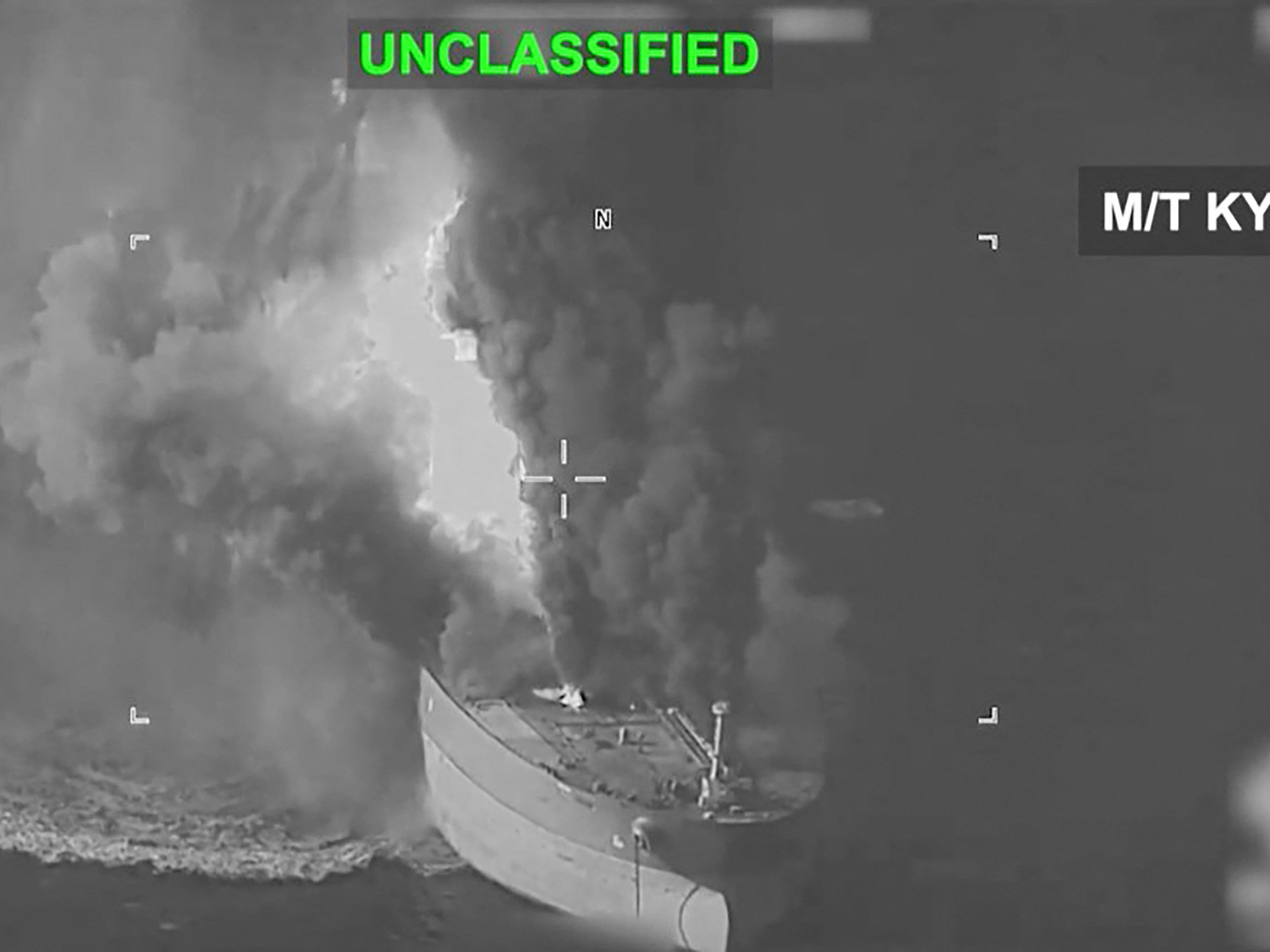
In a sharp escalation of maritime hostilities in the Middle East, United States military aircraft launched a precision strike against the stern of a commercial cargo vessel in the Gulf of Oman. According to United States Central Command (CENTCOM), the vessel was actively attempting to run a naval blockade enforced against Iranian shipping lanes and associated contraband routes. The military action, executed with targeted munitions aimed strictly at disabling the ship's propulsion and steering mechanisms, successfully halted the vessel's progress without resulting in casualties among the onboard crew.
The operation underscores the intensifying enforcement posture adopted by Washington and its allied coalition partners in critical regional waterways. The Gulf of Oman, serving as the strategic funnel connecting the Arabian Sea to the Strait of Hormuz, has increasingly become a flashpoint for clandestine shipping operations, sanctions evasion, and asymmetric naval maneuvering. State actors seeking to bypass international trade restrictions have routinely utilized flag-swapping, nocturnal transits, and disabled transponders to mask illicit cargo movements, prompting a more aggressive interdiction strategy from Western naval forces.
Global Trade & Economic Ripples
The kinetic enforcement action immediately reverberated across global commodity markets and international shipping sectors. The Strait of Hormuz and its adjacent waters handle roughly a fifth of the world's petroleum consumption, making any military confrontation in the region an immediate threat to global energy security. Following reports of the strike, Brent crude futures experienced upward volatility as traders reassessed geopolitical risk premiums associated with Middle Eastern supply routes.
Insurance underwriters and maritime logistics firms are expected to elevate risk ratings for vessels transiting the Gulf of Oman and the Persian Gulf. Higher risk premiums inevitably translate into inflated freight rates, longer transit times, and potential rerouting around the Cape of Good Hope, mirroring disruptions previously observed during Red Sea security crises. Supply chain analysts warn that sustained enforcement actions against blockade runners could precipitate localized delays in petrochemical deliveries, industrial metals, and dry-bulk commodities moving between Asian manufacturing hubs and Western markets.
Related Intelligence: Middle East Conflict Escalates as Saudi Strikes Threaten Global Energy Markets
International Reactions & Diplomatic Stances
Diplomatic channels have swung into overdrive as regional capitals and international bodies process the implications of the strike. Washington maintains that the military action was fully justified under international law to enforce lawful sanctions, deter illicit proliferation networks, and protect freedom of navigation. Conversely, Tehran and its regional allies have condemned the operation as an act of state piracy and a blatant violation of maritime sovereignty, threatening asymmetric countermeasures against coalition assets.
Multilateral organizations, including the International Maritime Organization (IMO) and the United Nations Secretariat, have issued urgent appeals for restraint from all involved parties. European diplomatic corps have expressed profound concern over the deteriorating security architecture in the Gulf, urging both the United States and Iran to establish de-escalation channels to prevent miscalculations that could spiral into a broader regional conflagration. Energy-importing economies in Asia have similarly voiced anxiety regarding the safety of vital commercial shipping lanes.
Strategic Outlook & Future Scenarios
Looking ahead, the incident sets a perilous precedent for maritime enforcement in the Middle East. If the United States and its allies continue to utilize kinetic strikes against vessels suspected of violating embargoes, shipping companies may face a compliance dilemma, balancing economic incentives against extreme physical risks. This dynamic could accelerate the balkanization of global trade routes, with certain operators abandoning the region entirely while others rely on state-backed naval escort convoys.
Upcoming diplomatic summits and bilateral talks between Western powers and regional intermediaries will likely focus on establishing new rules of engagement in contested waters. However, absent a breakthrough in broader nuclear and regional security negotiations, the risk of accidental escalation, maritime skirmishes, and supply chain fragmentation remains persistently elevated, casting a long shadow over global economic recovery and energy market stability.
Join Our Official WhatsApp Channel
Receive live commodity alerts, policy changes, and commercial intelligence directly on WhatsApp.