
Hurricane Isaias Disrupts US Eastern Seaboard and Energy Markets
Hurricane Isaias battered the United States Eastern Seaboard, leaving four dead and hundreds of thousands without power while causing temporary disruptions to regional energy logistics.
Geopolitical & Core Developments
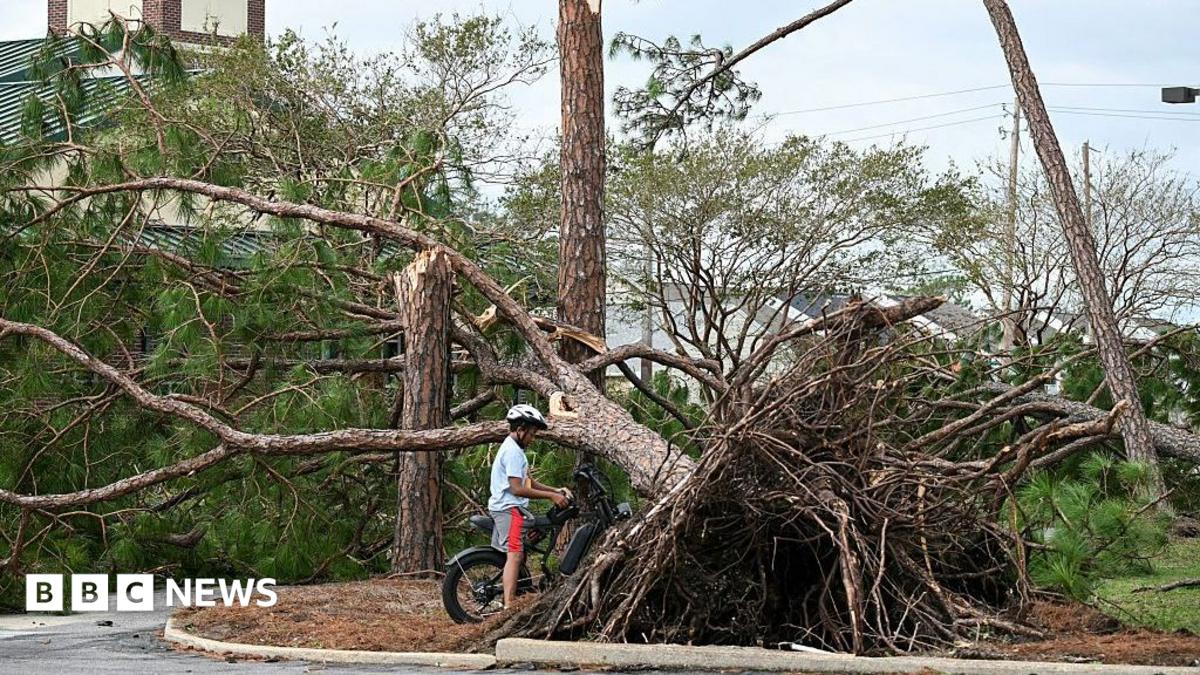
Hurricane Isaias struck the United States Eastern Seaboard with devastating force, leaving a trail of destruction from Florida up through the Mid-Atlantic and New England states. Making initial landfall late Friday, the storm packed sustained winds and torrential rainfall that overwhelmed municipal drainage systems, uprooted ancient trees, and downed critical high-voltage transmission lines. State authorities and emergency management agencies mobilized immediately, deploying National Guard units to assist with search-and-rescue operations and clearing blocked vital transportation arteries. Despite being subsequently downgraded to a post-tropical cyclone by the National Hurricane Center, the system retained a massive wind field capable of inflicting severe structural damage. The rapid intensification of the storm prior to landfall reignited intense domestic policy debates concerning federal disaster response funding, infrastructure hardening, and climate change adaptation strategies across vulnerable coastal municipalities. Local governments faced immense logistical challenges as emergency shelters struggled to maintain social distancing protocols amid ongoing public health concerns, complicating disaster relief coordination at both state and federal levels.
Global Trade & Economic Ripples
The meteorological disruption caused by Hurricane Isaias extended far beyond immediate physical damage, triggering notable ripples across domestic energy and commodity markets. Several major petroleum refineries and fuel distribution terminals along the southeastern and mid-Atlantic seaboard temporarily curtailed operations or operated at reduced capacity as a precautionary measure against storm surge flooding. This sudden contraction in localized refining throughput caused short-term volatility in regional spot prices for gasoline and diesel fuel, while maritime authorities temporarily closed key commercial ports to inbound tanker traffic, delaying maritime logistics and crude oil offloading schedules. Agricultural supply chains also sustained moderate setbacks, as high winds damaged seasonal crops and disrupted rural freight rail networks essential for moving grain and perishable goods to major metropolitan distribution hubs. Commodity analysts noted that while global crude benchmarks remained relatively stable due to ample international reserves, the localized supply bottlenecks underscored the fragility of domestic supply chains heavily reliant on coastal infrastructure vulnerable to severe weather anomalies.
Related Intelligence: Pennsylvania Mass Shooting Shakes Domestic Stability and Security Markets
International Reactions & Diplomatic Stances
International observers and multilateral bodies monitored the trajectory of Hurricane Isaias closely, viewing the event through the broader prism of escalating climate vulnerability and disaster resilience in industrialized economies. Foreign governments and international meteorological agencies offered technical assistance and expressed solidarity with US authorities managing the humanitarian fallout. Energy market analysts based in major financial capitals issued advisory notes emphasizing that extreme weather events in North America carry systemic implications for global insurance syndicates and reinsurance markets. Representatives from the United Nations Office for Disaster Risk Reduction reiterated calls for accelerated global investments in climate-resilient infrastructure, noting that extreme weather phenomena increasingly threaten supply chain stability and economic productivity across G20 economies. Reinsurance firms anticipated a sharp upward revision in insured loss estimates, which could subsequently influence global property and casualty insurance premium rates in upcoming quarterly renewal cycles.
Strategic Outlook & Future Scenarios
Looking ahead, the economic and logistical fallout from Hurricane Isaias is expected to prompt a comprehensive reassessment of risk management frameworks among multinational corporations and public utilities operating in hazard-prone coastal corridors. Policymakers at federal, state, and municipal levels face mounting pressure to accelerate capital allocation for underground power grid installations, advanced coastal defense barriers, and redundant supply chain logistics. As the Atlantic hurricane season progresses, energy traders and commodity analysts remain on high alert for subsequent tropical formations that could threaten Gulf of Mexico production platforms or eastern refining centers. Future regulatory frameworks are anticipated to impose stricter building codes and mandatory resilience standards for commercial facilities situated within designated flood zones, permanently altering long-term corporate investment strategies in vulnerable geographic regions.
Join Our Official WhatsApp Channel
Receive live commodity alerts, policy changes, and commercial intelligence directly on WhatsApp.