
US Antitrust Probe Targets Network Coverage Halts Amid White House Dispute
The US Department of Justice has initiated an antitrust investigation into major television networks following decisions by the White House press pool to suspend specific coverage, raising complex regulatory and constitutional questions.
Geopolitical & Core Developments
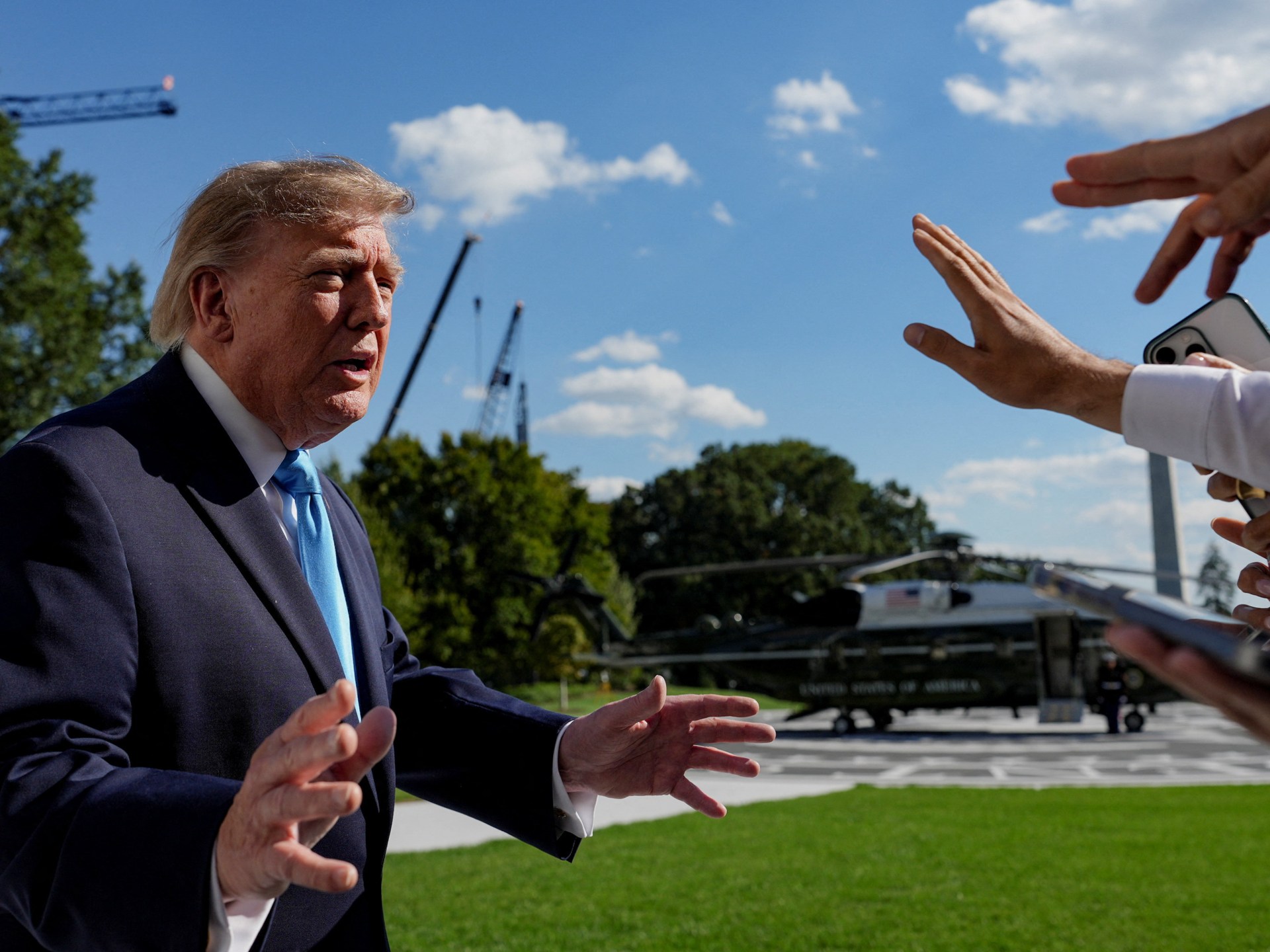
The United States Department of Justice has officially opened an antitrust investigation into major television networks, scrutinizing whether coordinated decisions within the White House press pool to halt or restrict broadcast coverage breached federal competition laws. The inquiry marks an extraordinary intersection of federal regulatory oversight, constitutional protections regarding a free press, and the operational mechanics of state-media relations. At the core of the investigation is the mechanism by which media organizations coordinate pool coverage, a long-standing logistical arrangement designed to ensure equitable access for news outlets when physical space or resources are constrained within official state venues.
Investigators are tasked with determining whether collective decisions to temporarily suspend or alter coverage amounted to concerted action that could be construed as market manipulation or an unfair restriction of information flow. Legal scholars and industry observers note that applying antitrust statutes—typically reserved for commercial monopolies, price-fixing, and anti-competitive corporate behavior—to journalistic institutions represents an unprecedented expansion of federal oversight into the mechanics of news reporting. The timeline of the probe traces back to recent high-stakes disputes between the administration and major broadcasters over access, editorial independence, and the protocols governing presidential coverage. State actors and regulatory bodies have increasingly found themselves navigating the delicate boundary between ensuring market fairness and respecting the autonomy of the Fourth Estate.
Global Trade & Economic Ripples
While ostensibly focused on domestic media operations and regulatory compliance, the antitrust probe carries subtle economic implications for international media conglomerates, multinational advertisers, and global stock exchanges. Major television networks are frequently subsidiaries of diversified multinational conglomerates with extensive international footprints, ranging from foreign news bureaus to global streaming platforms and cross-border telecommunications infrastructure. Heightened regulatory scrutiny in the United States invariably prompts institutional investors to reassess risk premiums associated with media equities, potentially influencing capital allocation across global entertainment and information sectors.
Furthermore, investor sentiment regarding corporate governance within the US media sector remains sensitive to aggressive regulatory interventions. Currency values, particularly the US dollar relative to major trading partner currencies, can experience minor fluctuations when domestic policy shifts signal prolonged legal battles involving dominant domestic firms. Advertising spend—a critical driver of global trade in services—faces potential volatility if network operations are disrupted by protracted subpoenas, depositions, and compliance audits. International markets closely monitor these developments as a bellwether for the predictability of the US regulatory environment, which underpins billions of dollars in cross-border media licensing and distribution agreements.
Related Intelligence: Hurricane Simon Threatens Mexican Coast and Global Supply Chains
International Reactions & Diplomatic Stances
International bodies, foreign press associations, and global diplomatic missions have begun monitoring the Department of Justice investigation with acute interest. Multilateral organizations dedicated to press freedom and democratic governance have expressed cautious concern over the potential implications of utilizing antitrust enforcement mechanisms to scrutinize journalistic coordination and editorial decisions. European media regulators and international trade partners are evaluating whether the probe sets a precedent that could complicate bilateral communications regarding freedom of information and corporate standards in international trade agreements.
Market analysts note that foreign reactions are bifurcated. On one hand, international jurisdictions with state-regulated media models view the US action through the lens of standard corporate regulation. On the other hand, traditional democratic allies emphasize that any government intervention into the operations of news organizations—even under the guise of commercial competition law—must be handled with rigorous transparency to avoid chilling effects on independent reporting. Multilateral trade forums may ultimately address these regulatory touchpoints if enforcement actions spill over into international broadcasting rights and cross-border digital dissemination agreements.
Strategic Outlook & Future Scenarios
As the Department of Justice deepens its inquiry, the trajectory of the investigation will likely depend on the breadth of subpoenas issued and the willingness of media executives to challenge the government's legal standing in federal court. A protracted legal battle could redefine the relationship between federal regulatory agencies and the news media, establishing landmark precedents for how antitrust laws apply to cooperative journalistic arrangements such as press pools.
Upcoming legislative sessions and congressional oversight hearings are expected to feature intense debate over executive authority and regulatory overreach. If the DOJ proceeds toward civil litigation or consent decrees, the structural organization of news pooling operations could face mandatory restructuring, altering the daily logistics of reporting on the executive branch. Conversely, if the investigation concludes without punitive action, it may nevertheless prompt the media industry to formalize and clarify its internal governance frameworks to mitigate future regulatory exposure, ensuring that editorial independence remains insulated from commercial and political pressures.
Join Our Official WhatsApp Channel
Receive live commodity alerts, policy changes, and commercial intelligence directly on WhatsApp.