
Historical Archives Reveal Persistent Policy Cycles in Pakistan
An extensive review of archival records from Dawn examines seven decades of Pakistan's political and economic evolution, revealing persistent systemic challenges.
The Core Development
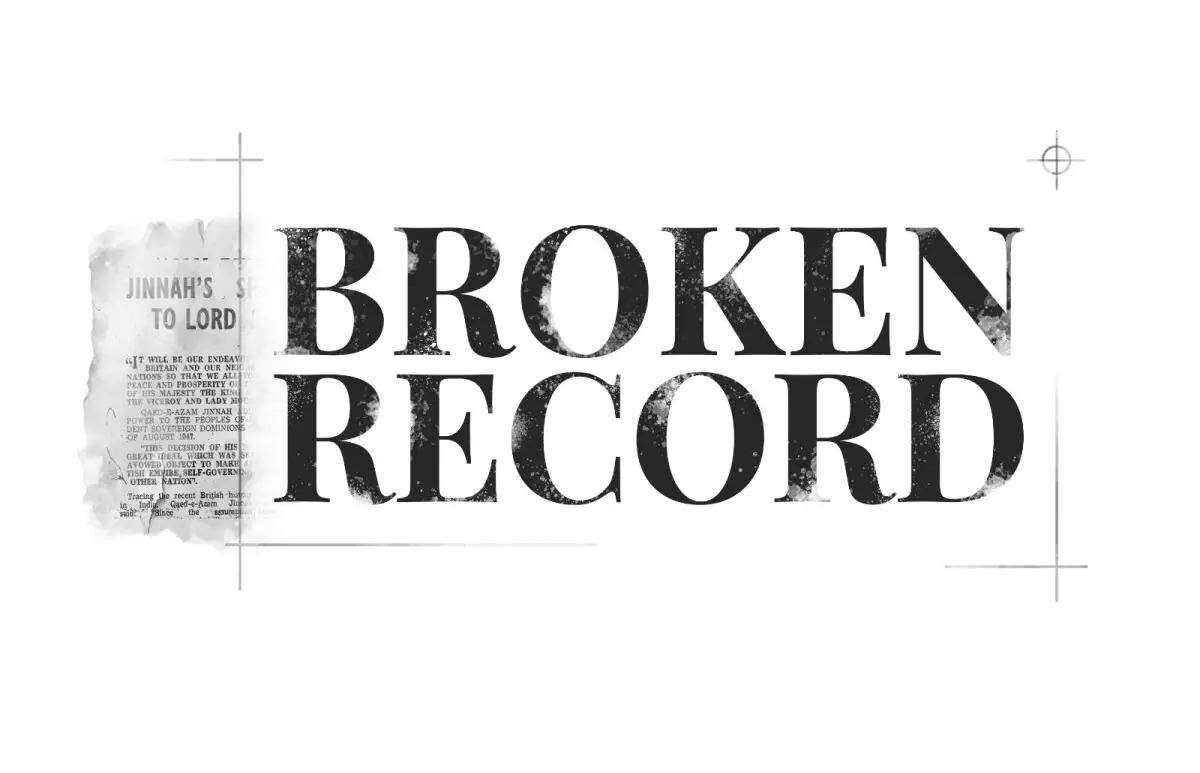
A comprehensive archival review spanning over seven decades of reporting from Dawn provides a panoramic view of Pakistan's statehood, tracing critical trajectories from the watershed events of August 14, 1947, to the modern era. Utilizing deep historical archives, political analysts and economic historians have embarked on a systematic examination of front-page developments and inside-page reports that shaped the nation's formative years. The initiative seeks to contextualize enduring structural dilemmas—ranging from diplomatic realignments with major powers like Britain and neighboring Hindustan to recurrent fiscal imbalances—by holding contemporary policy up against historical precedent. Archivists note that while governance frameworks have evolved, the underlying friction points within the federation's administrative apparatus have remained remarkably consistent.
Commercial & Economic Implications
For Pakistan's commercial sectors, wholesale distribution networks, and retail markets, the historical lens offers critical insights into perennial inflationary pressures and supply chain vulnerabilities. Macroeconomic data extracted from decades of financial reporting illustrate how external shocks and domestic policy missteps have repeatedly disrupted retail trade, eroded purchasing power, and triggered balance of payments crises. Wholesale traders and industrial bodies operating across Karachi, Lahore, and other major commercial hubs face recurring cycles of currency devaluation and regulatory tightening that mirror previous decades. Understanding these long-term economic trajectories is vital for forecasting price volatility, managing inventory costs, and navigating import-export bottlenecks in an increasingly volatile global economy.
Related Intelligence: Delhi Gen-Z Protests Trigger Electoral Reform Debate and Market Caution
Stakeholder Perspectives & Market Reactions
Business leaders, trade associations, and policy think tanks have responded to the archival findings with calls for institutional memory integration within federal ministries. Representatives from prominent chamber of commerce bodies emphasize that commercial policy often operates in a vacuum, ignoring historical precedents regarding taxation, tariff reforms, and market liberalization. Legal experts and economic commentators argue that sustainable market growth requires abandoning short-term fixes in favor of structural reforms informed by past policy failures. Public discourse surrounding these historical reviews underscores a widespread fatigue with cyclical economic mismanagement and a growing demand for transparent, accountability-driven governance.
Forward Outlook & Key Watchpoints
As this retrospective analytical series unfolds across upcoming weekly publications, market watchers and policy analysts will monitor how historical insights are applied to contemporary economic stabilization efforts. Key indicators to watch include structural fiscal adjustments, bilateral trade negotiations, and legislative reforms aimed at improving the ease of doing business in Pakistan. The ultimate test of this archival exercise will be whether policymakers utilize these documented lessons to break free from historical cycles, stabilize domestic markets, and foster resilient, long-term economic growth.
Join Our Official WhatsApp Channel
Receive live commodity alerts, policy changes, and commercial intelligence directly on WhatsApp.