
Riyadh Airport Attack Shakes Energy Markets and Middle East Security
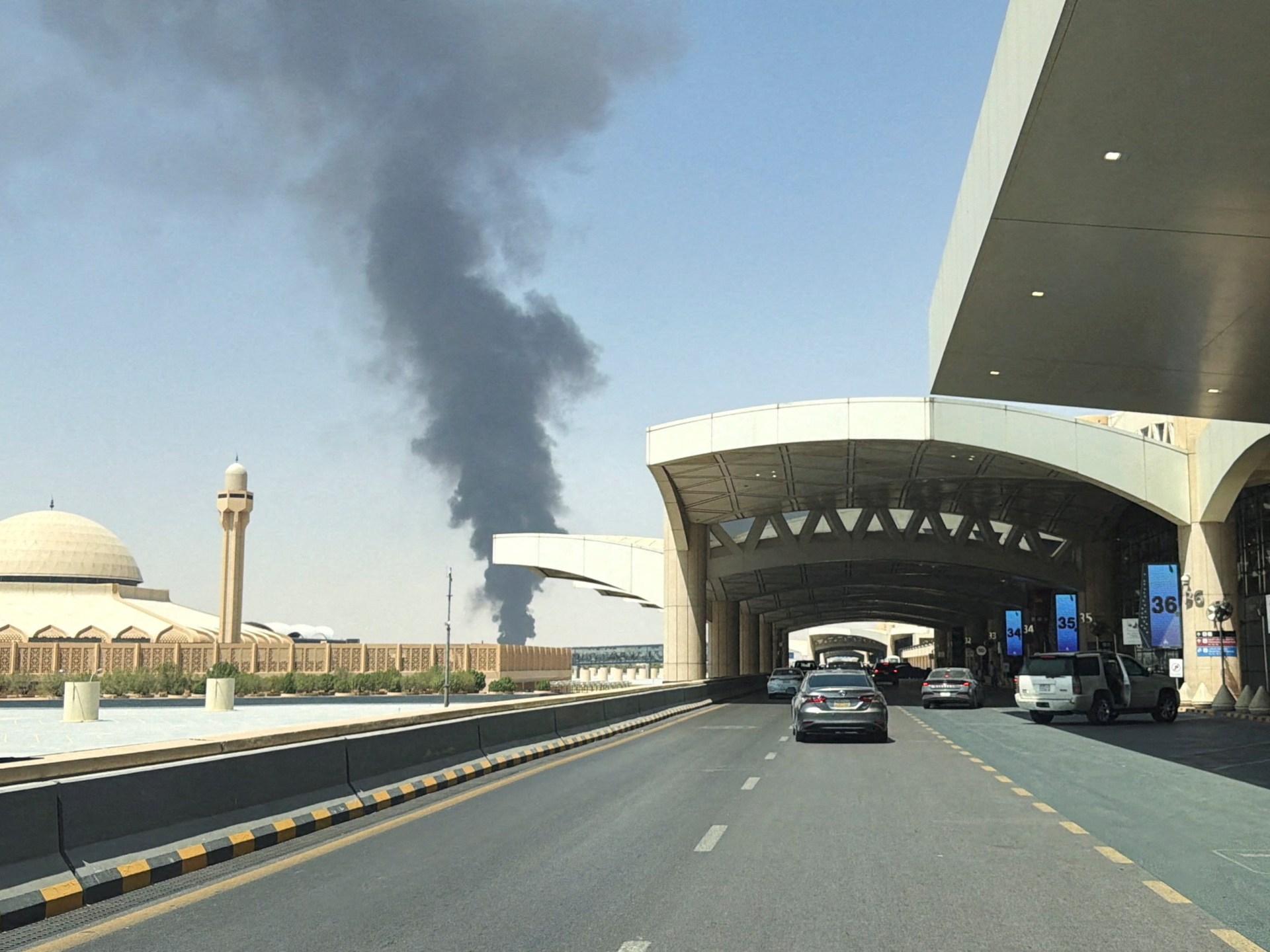
Operations at Riyadh's main international airport have been suspended following a fresh attack, sparking renewed volatility across global energy markets and escalating geopolitical tensions across the Middle East.
Geopolitical & Core Developments
King Khalid International Airport in Riyadh, the capital of Saudi Arabia, was struck in a sophisticated attack that left several individuals injured and forced a complete suspension of civil aviation operations. This high-profile incident marks the second major security breach targeting the facility within a single week, underscoring an alarming escalation in regional hostilities. The General Authority of Civil Aviation confirmed that emergency protocols were immediately enacted to secure the airfield, protect passengers, and assess structural damages. State actors and intelligence agencies have intensified investigations to identify the provenance of the weaponry utilized, pointing toward advanced aerial threats capable of evading perimeter defenses. The recurrence of these strikes shatters the relative calm that regional diplomacy had recently sought to foster, presenting a severe test for Saudi security architecture and coalition defense systems.
Global Trade & Economic Ripples
The temporary closure of a primary aviation and logistical hub in the heart of the Arabian Peninsula instantly reverberated through global commodity markets. Brent crude futures experienced immediate upward pressure as traders priced in heightened risks to critical energy infrastructure. Although physical oil production facilities in the Eastern Province remain untouched, the psychological impact on market sentiment cannot be overstated. Riyadh serves as a central nexus for international business logistics, and prolonged disruptions to its airspace threaten regional supply chains, air cargo movements, and corporate travel. Furthermore, foreign exchange markets displayed jittery behavior, with regional currencies experiencing minor downward pressures while safe-haven assets such as gold and the US dollar saw moderate inflows. Insurance underwriters are already moving to re-evaluate risk premiums for commercial vessels and aviation operators traversing the broader Gulf region, a move that could permanently elevate operational costs for multinational corporations.
Related Intelligence: Yemeni Conflict Resurgence Threatens Global Shipping and Energy Security
International Reactions & Diplomatic Stances
Global capitals responded with swift and unequivocal condemnation of the assault on civilian infrastructure. The United Nations Secretary-General issued a formal statement emphasizing that attacks on commercial airports and civilians violate international humanitarian law and imperil ongoing peace initiatives. Western governments reiterated their unwavering commitment to Saudi territorial integrity and defensive capabilities, calling for immediate restraint to prevent a wider conflagration. Meanwhile, regional powers and multilateral organizations urged an emergency convening of diplomatic envoys to establish robust de-escalation frameworks. Market analysts note that while formal diplomatic channels remain open, the rhetoric hardening on both sides diminishes the likelihood of immediate compliance or peaceful resolution, keeping diplomatic tension at a multi-year high.
Strategic Outlook & Future Scenarios
Looking ahead, the incident forces a profound strategic recalculation for international stakeholders and commercial enterprises operating in the Gulf. Upcoming diplomatic summits and energy forums will likely be dominated by discussions surrounding integrated air defense networks and the protection of critical transnational infrastructure. Analysts warn that if retaliatory cycles are initiated, commercial shipping lanes, maritime chokepoints like the Strait of Hormuz, and major energy installations will face elevated threat levels. Sanctions regimes and diplomatic isolation tactics may be intensified against perceived sponsors of the attack, further complicating international trade dynamics. For global investors and supply chain managers, the primary takeaway is the necessity of building robust redundancy into logistics networks to withstand persistent geopolitical volatility in vital energy-producing regions.
Join Our Official WhatsApp Channel
Receive live commodity alerts, policy changes, and commercial intelligence directly on WhatsApp.