
US Expands Third-Country Deportations Sparking Global Rights and Diplomatic Friction
The United States has significantly escalated third-country deportations, transferring tens of thousands of asylum seekers abroad despite severe international outcry regarding human rights and geopolitical overreach.
Geopolitical & Core Developments
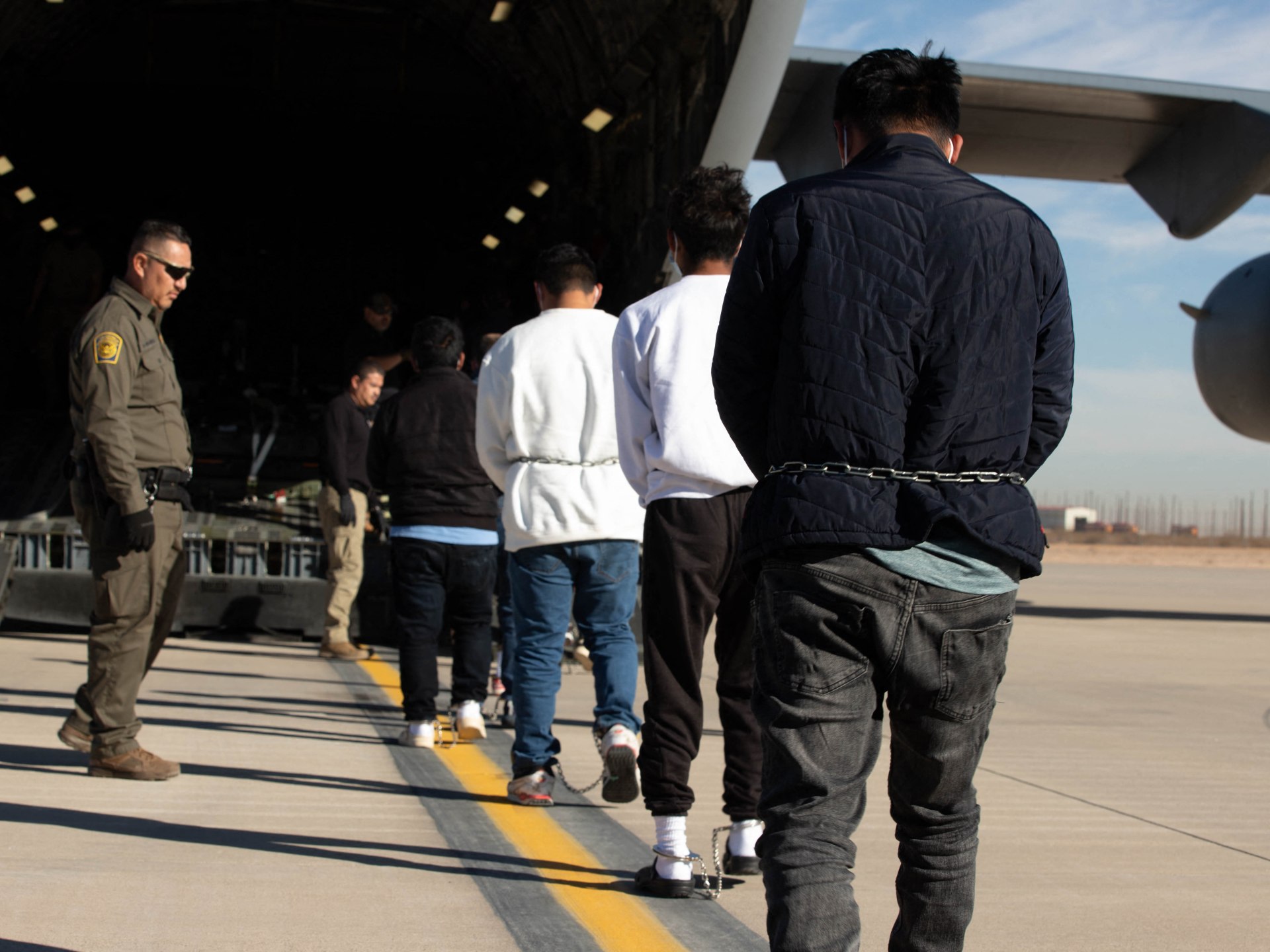
The United States has dramatically accelerated its use of third-country deportation flights, transferring tens of thousands of undocumented migrants and asylum seekers to sovereign nations with which the individuals maintain no familial, cultural, or legal ties. According to recently released official figures, federal border authorities have expanded transit agreements across Latin America, the Caribbean, and select African jurisdictions to circumvent domestic processing bottlenecks and court-mandated detention ceilings. Under the renewed hardline enforcement policy championed by Donald Trump, Washington has weaponized foreign assistance compacts, using economic leverage to compel developing nations into accepting relocated individuals.
This aggressive push marks a decisive shift in cross-border enforcement doctrines. Historically, international customary law and the principle of non-refoulement under the 1951 Refugee Convention forbid the expulsion of vulnerable individuals to destinations where their safety cannot be guaranteed. By classifying transit hubs as viable third-country destinations, the administration has bypassed standard repatriation pipelines, triggering intense diplomatic negotiations with governments in Guatemala, El Salvador, Panama, and several African partners who now find themselves acting as de facto migratory buffers for the US southern border.
Global Trade & Economic Ripples
While predominantly framed as a domestic immigration enforcement campaign, the macroeconomic repercussions of third-country deportation transfers are rippling through emerging-market trade channels and global labor pools. In receiving nations, sudden demographic influxes are straining localized public finance structures, diverting capital reserves from infrastructure development and trade-facilitating projects toward emergency humanitarian staging and security mobilization. For smaller transit economies, sovereign risk premiums have edged higher as credit rating agencies evaluate potential institutional stress.
Furthermore, the destabilization of established migratory corridors impacts remittance economies, which form a vital pillar of foreign exchange liquidity across Central America and parts of West Africa. With regional labor mobility suppressed, multinational agricultural, textile, and logistics supply chains dependent on seasonal workforce mobility are confronting unexpected operational frictions. As bilateral friction over border protocols intensifies, cross-border freight corridors between the US and its regional partners face regulatory hurdles, with heightened border inspection regimes threatening timely deliveries across regional manufacturing and agricultural value chains.
Related Intelligence: Australian Aviation and Logistics Highlight Regional Connectivity Across Vast Terrains
International Reactions & Diplomatic Stances
The aggressive unilateral enforcement has drawn fierce condemnation from multilateral organizations and global human rights monitors. High-ranking officials within the United Nations High Commissioner for Refugees (UNHCR) and the UN Office of the High Commissioner for Human Rights (OHCHR) have warned that third-country expulsions violate fundamental principles of international law, demanding an immediate moratorium on transfers until independent oversight mechanisms can be deployed.
Conversely, Washington maintains that such arrangements represent valid multilateral burden-sharing frameworks designed to dismantle organized human smuggling networks and restore order along major transit channels. While select host governments have officially accepted bilateral agreements in exchange for preferential tariff reviews, security assistance, and sovereign debt concessions, regional lawmakers and domestic opposition parties have denounced the agreements as coercive. European policymakers have observed the US model with scrutiny, as sovereign capitals in Europe navigate their own divisive debates surrounding the offshore processing of maritime migrants.
Strategic Outlook & Future Scenarios
The immediate trajectory suggests a significant risk of geopolitical and legal escalation. International tribunals and domestic federal courts are preparing to adjudicate comprehensive legal challenges filed by human rights consortiums questioning the legality of bilateral deportation accords. Should legal injunctions disrupt federal transfer operations, Washington could resort to punitive trade instruments, including targeted tariffs, remittance levies, or visa revocations against non-compliant partner states.
Over the medium term, the reliance on extraterritorial detention and third-country expulsions threatens to fracture multilateral coordination on migration management. Upcoming hemispheric security summits and trade negotiations under the USMCA review cycle will likely see these contentious policies take center stage. Unless sustainable economic compacts are paired with lawful humanitarian processing avenues, third-country transfers risk entrenching geopolitical friction, exacerbating institutional instability in transit nations, and disrupting the broader integrity of regional commerce.
Join Our Official WhatsApp Channel
Receive live commodity alerts, policy changes, and commercial intelligence directly on WhatsApp.