
Maduro Pleads Not Guilty in New York Court to Expanded US Conspiracy Charges
Venezuelan President Nicolas Maduro entered a not-guilty plea in a New York federal court against expanded US charges, complicating diplomatic engagement and roiling global heavy crude markets.
Geopolitical & Core Developments
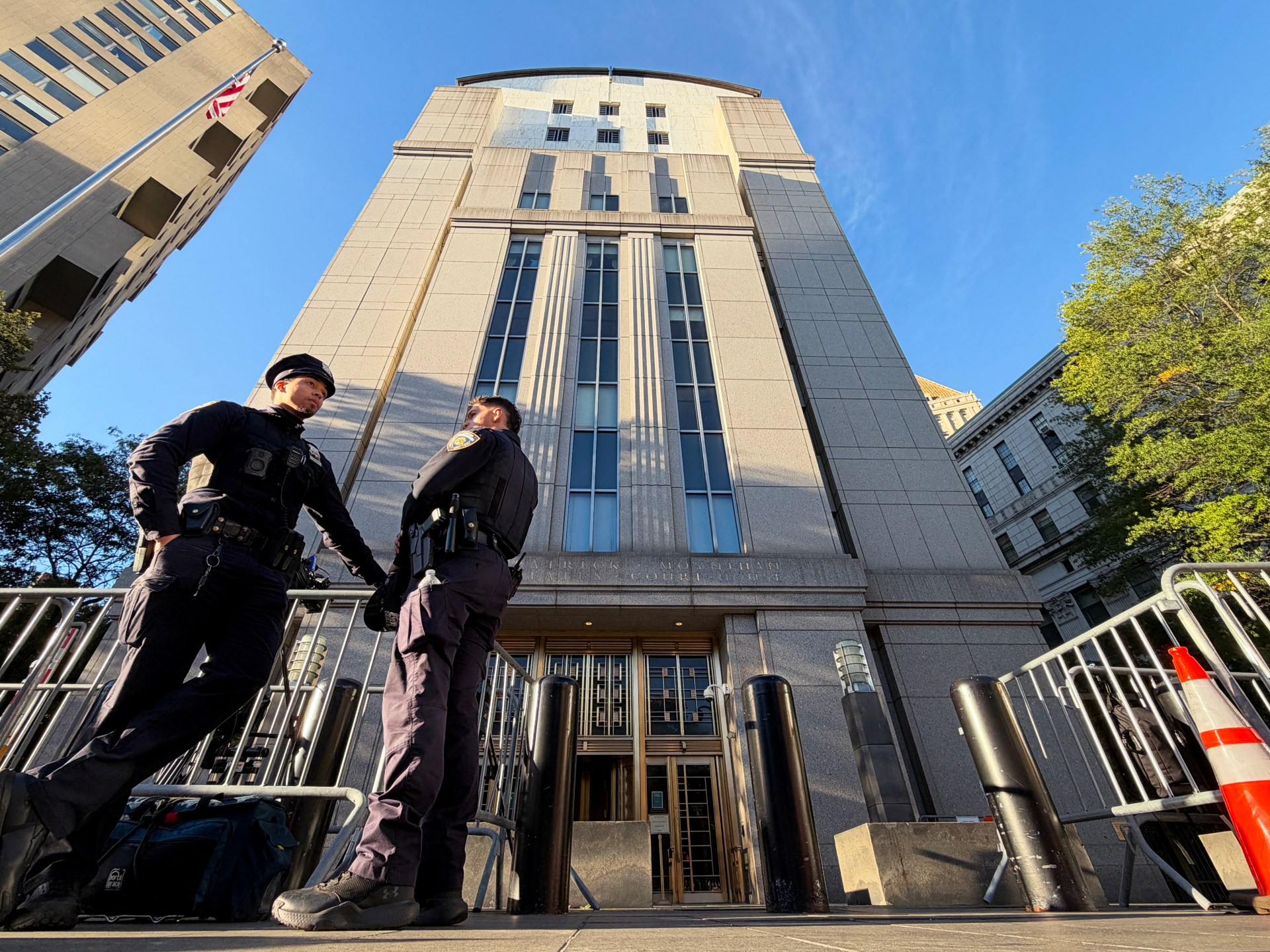
In a landmark legal and diplomatic escalation, Venezuelan President Nicolas Maduro and his wife, Cilia Flores, appeared before a federal district court in New York City to formally plead not guilty to superseding US federal indictments. The updated docket introduces severe charges of conspiracy to commit torture alongside pre-existing counts of narco-terrorism, drug trafficking, and corruption. The legal proceedings represent an extraordinary chapter in modern international law, marking one of the rare instances where a sitting head of state is arraigned directly within the domestic judicial apparatus of a foreign adversary.
Defense attorneys representing the Venezuelan leadership argued that the proceedings constitute a fundamental violation of sovereign immunity and international norms, categorizing the prosecution as a politically motivated instrument of regime change. US prosecutors, however, maintained that jurisdictional precedents established under international human rights treaties and anti-racketeering statutes permit the adjudication of egregious crimes against humanity and transnational criminal enterprises regardless of executive title.
[Global Trade](/news/us-midterm-voter-discontent-signals-global-trade-shifts) & Economic Ripples
The deepening legal confrontation introduces acute friction into global energy markets, particularly regarding the commercial rehabilitation of Venezuela’s vast hydrocarbon reserves. The Orinoco Belt holds the world’s largest proven crude oil deposits, yet infrastructural decay, underinvestment, and punitive US Department of the Treasury sanctions have historically curtailed output. The formal courtroom confrontation effectively extinguishes expectations that the White House will extend or broaden General Licenses, such as those previously granted to Chevron and European energy majors like Eni and Repsol.
For global refining centers, particularly those along the US Gulf Coast and in southern Europe configured specifically for heavy, sour crude blends, this development forecloses near-term diversification away from alternative suppliers in Canada and the Middle East. Furthermore, it complicates international maritime trade routes, as shippers handling Venezuelan petroleum remain vulnerable to secondary enforcement mechanisms, heightened insurance premiums, and interdiction risks across Atlantic maritime corridors.
Related Intelligence: US Midterm Voter Discontent Signals Major Shifts for Global Trade Policy
International Reactions & Diplomatic Stances
Official international reactions reflect entrenched multipolar divides. In Caracas, state media and institutional bodies condemned the New York arraignment as an act of juridical aggression and judicial kidnapping, pledging to raise the matter before the United Nations General Assembly and the International Court of Justice. Strategic allies, including the Russian Federation, the People's Republic of China, and the Islamic Republic of Iran, released diplomatic statements denouncing the extraterritorial application of domestic legislation, characterizing the trial as an infringement upon the principle of sovereign equality.
Conversely, Western allies, including select members of the European Union and regional signatories of the Lima Group, acknowledged the judicial process as an imperative measure for human rights accountability. Market analysts and multilateral observers note that the court appearance formally sidelines regional diplomatic initiatives, including the Norway-facilitated negotiations and mediation efforts by neighboring South American administrations.
Strategic Outlook & Future Scenarios
Moving forward, the judicial trajectory points toward an exhaustive pre-trial phase defined by complex evidentiary hearings, debates surrounding diplomatic immunity, and the classification of state intelligence. This protracted timeline ensures sustained volatility across Latin American political alignments. Caracas is anticipated to double down on bilateral energy arrangements settled outside the US dollar clearing system, relying on renminbi-denominated barter transactions and illicit tanker networks.
Should the legal proceedings advance toward a definitive verdict, Washington's posture will likely polarize hemispheric trade relations even further. Multilateral organizations and corporate energy stakeholders are preparing for sustained disruption, elevated sovereign risk profiles, and a definitive realignment of energy flows away from transatlantic channels toward Asia-Pacific destinations.
Join Our Official WhatsApp Channel
Receive live commodity alerts, policy changes, and commercial intelligence directly on WhatsApp.