
US Halts Military Execution Livestream Amid Geopolitical and Market Scrutiny
The United States has reversed plans to broadcast a military execution, averting heightened international tensions that threatened to inject fresh uncertainty into sensitive global trade corridors.
The Core Development
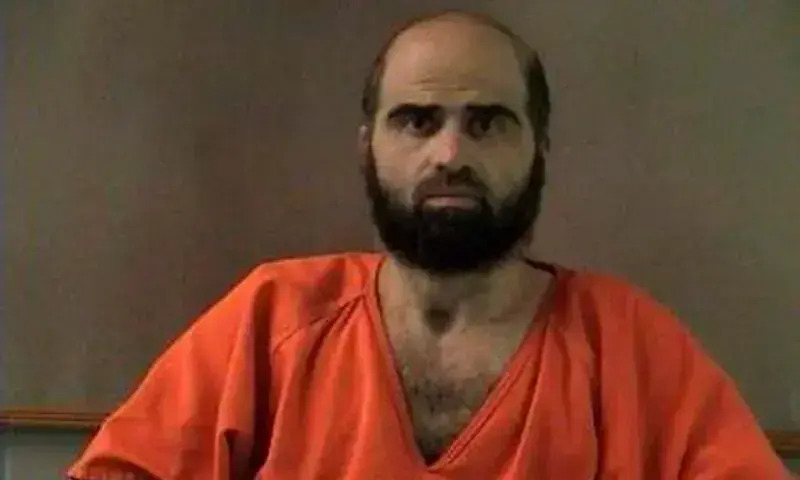
United States President Donald Trump announced that the impending military execution of Nidal Hasan, the former army major convicted of killing 13 people during a 2009 mass shooting at Fort Hood, Texas, will not be publicly livestreamed. While the capital sentence is slated for enforcement on December 3 via a military firing squad—marking the first such military procedure conducted by the United States armed forces since 1945—viewing privileges will be strictly limited to direct victim family members and authorized military personnel. The reversal follows intensive deliberation regarding the legal, moral, and international diplomatic consequences of transmitting a state-sanctioned execution over public airwaves.
The initial contemplation of a public broadcast was framed by proponents as a maximum-deterrence strategy against international terrorism. However, the legal architecture governing military justice under the Uniform Code of Military Justice (UCMJ) and international humanitarian conventions presented substantial procedural vulnerabilities. By restricting access to physical premises under tightly controlled protocols, federal authorities aim to satisfy justice requirements while circumscribing the potential for widespread civil agitation and severe international diplomatic backlash.
Commercial & Economic Implications
From the vantage point of South Asian commercial hubs and Pakistani cross-border distribution networks, overt geopolitical volatility originating in Washington carries measurable macroeconomic consequences. Publicly broadcasting a high-profile military execution carried severe risks of reigniting anti-Western sentiment and diplomatic strain between the United States and strategic regional partners. For wholesale importers, consumer goods distributors, and retail supply chains in Pakistan, diplomatic friction historically correlates with elevated political risk premiums, threatening bilateral trade continuity.
Pakistan relies heavily on normalized economic relations with North American and Western European markets to secure critical export revenues in textiles and manufactured leather goods. Escalations in international socio-political discord often introduce unexpected friction into maritime freight lanes, banking confirmation procedures, and trade insurance premiums. Although this domestic US legal development represents a security matter, international market observers emphasize that defusing unnecessary ideological friction safeguards bilateral trade engagements, easing secondary pressures on currency parity and import inflation.
Related Intelligence: Trump Halts Public Broadcast Plans for Fort Hood Shooter Execution
Stakeholder Perspectives & Market Reactions
Legal scholars, commercial chambers, and financial analysts have weighed the implications of Washington's revised directive. Within international human rights jurisprudence, legal bodies warned that public broadcast of an execution would breach fundamental humanitarian standards, potentially exposing commercial enterprises aligned with state apparatuses to retaliatory regulatory scrutiny or secondary boycotts.
In Pakistan, financial analysts and major merchant associations, including representatives across Karachi and Lahore trade corridors, noted that avoiding provocative international spectacles prevents disruption to cross-border capital flows. Historically, high-visibility geopolitical controversies have triggered abrupt disruptions to logistical routes, retail trade strikes, and sudden shifts in currency valuations. Market operators expressed relief that institutional restraint prevailed, preventing spillover shocks that frequently hit wholesale distributors dependent on predictable exchange rates and uninterrupted shipping routes.
Forward Outlook & Key Watchpoints
As the December 3 execution date approaches, compliance monitoring will focus on operational enforcement by the Pentagon and subsequent international reactions. Critical watchpoints include potential legal challenges brought before federal appellate circuits seeking stays of execution based on eighth-amendment arguments regarding firing squad methodologies.
Furthermore, diplomatic missions and regional commerce monitors will watch for any delayed public demonstrations surrounding the event. For domestic retailers and enterprise operators in Pakistan, stability in global diplomatic discourse remains paramount to preserving foreign exchange stability and facilitating steady bilateral commercial transactions without unbudgeted disruption.
Join Our Official WhatsApp Channel
Receive live commodity alerts, policy changes, and commercial intelligence directly on WhatsApp.