
Syrian Court Hands Down Capital Sentences Over Deadly Coastal Clashes
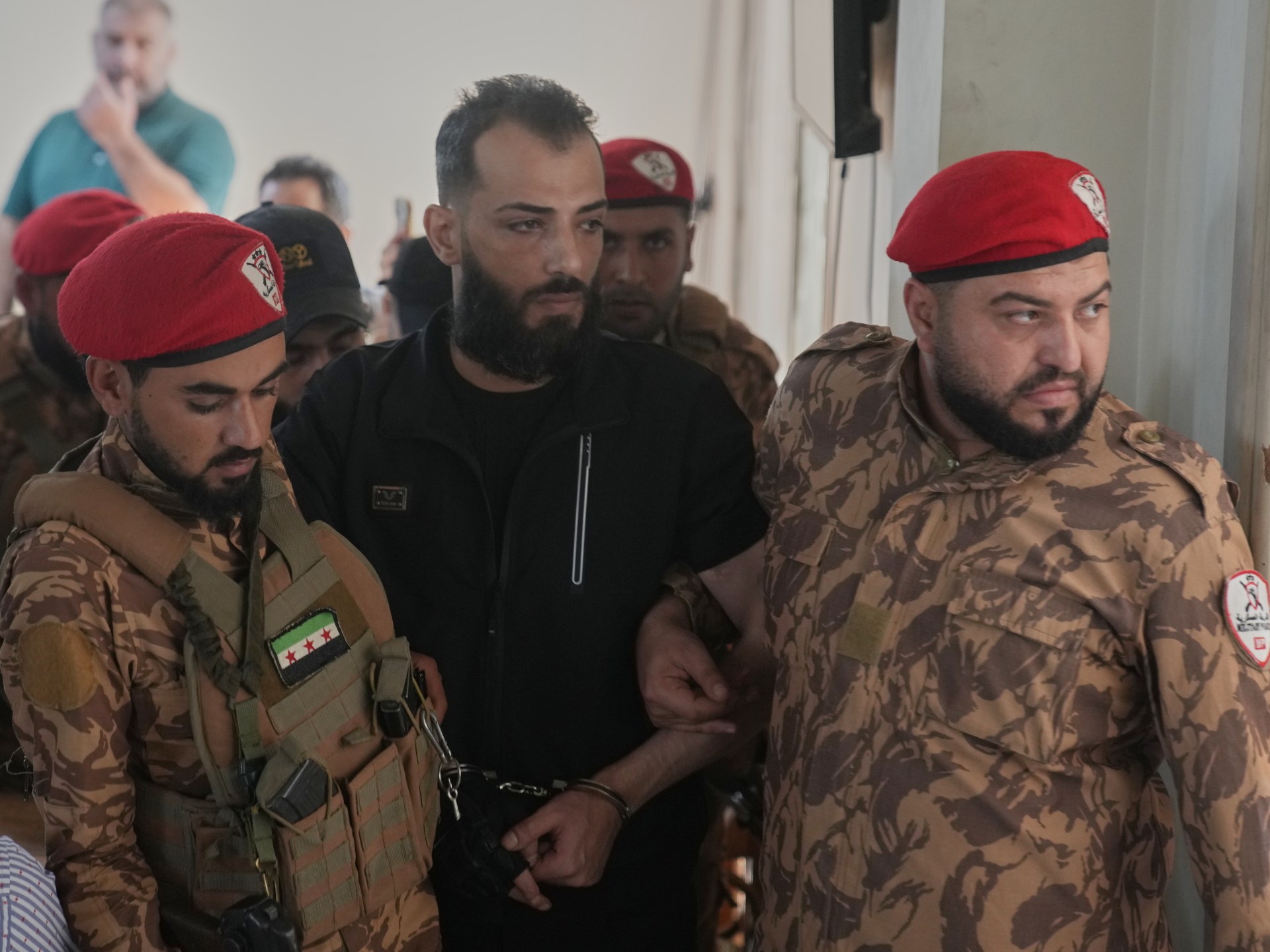
A Syrian court has sentenced two individuals to death over deadly clashes along the Mediterranean coast in early 2025, highlighting unresolved internal instability and maritime security risks.
Geopolitical & Core Developments
A Syrian judicial court has issued capital sentences against two individuals found guilty of orchestrating and executing fatal violence during the March 2025 civil disturbances along the country's Mediterranean coast. The coastal governorates, historically viewed as strongholds of loyalist support for the former Assad administration, descended into severe communal fighting and targeted retaliatory assaults following armed skirmishes between lingering pro-regime remnants and regional security factions.
The judicial decision marks a significant moment in the transitional and security apparatus's attempts to assert central authority over historically volatile territorial enclaves. According to court records, the defendants were convicted on charges encompassing premeditated homicide, armed insurrection, and acts of terrorism aimed at undermining state stability. The unrest in March 2025 resulted in dozens of casualties, structural damage across coastal towns, and widespread displacement, raising renewed concerns about the sustainability of post-conflict stabilization programs and the capacity of existing legal frameworks to manage transitional justice without reigniting sectarian grievances.
Global Trade & Economic Ripples
While the direct operational footprint of the ruling remains regional, the underlying unrest directly impacts the commercial viability of Syria's critical maritime infrastructure, notably the deep-water ports of Latakia and Tartus. These facilities serve as primary conduits for bulk grain imports, humanitarian logistics, and regional transshipment. Recurring security shocks within the coastal hinterland have prompted international maritime insurers to maintain elevated war-risk premiums for vessels calling at Levantine ports, increasing freight rates across the Eastern Mediterranean basin.
Furthermore, the persistent threat of localized armed conflict disrupts overland transport corridors linking the Mediterranean littoral to broader inland markets in the Levant and Iraq. Multimodal logistics operators have expressed caution regarding supply chain investments, delaying broader commercial revitalization efforts. Fertilizer, phosphate, and agricultural export channels, which rely on secure rail and roadway networks terminating at coastal terminals, continue to face intermittency, compounding economic headwinds for neighboring trading partners reliant on cross-border merchant transit.
Related Intelligence: Islamabad Court Grants Bail in Multi-Million Visa Fraud Tragedy
International Reactions & Diplomatic Stances
The court's reliance on capital punishment has drawn swift scrutiny from human rights monitors and multilateral bodies. Representatives from the United Nations Office of the High Commissioner for Human Rights reiterated long-standing objections to the death penalty, urging administrative authorities to institute a formal moratorium on executions and ensure stringent compliance with international fair trial standards. Legal monitoring groups have similarly voiced reservations concerning due process and the expedited nature of military and specialized state security tribunals.
Conversely, regional security partners and allied capitals have framed the legal measures as a necessary enforcement of state sovereignty and a deterrent against organized insurgency. Diplomatic missions engaged in normalization and reconstruction dialogues have noted that while restoring law and order is paramount for cross-border infrastructure projects, unilateral capital sentences risk alienating Western development agencies and complicating humanitarian waiver mechanisms overseen by international financial institutions.
Strategic Outlook & Future Scenarios
The trajectory of Syria's coastal security environment will hinge on the state's ability to balance legal deterrence with comprehensive reconciliation frameworks. If the enforcement of these sentences precipitates retaliatory insurgent attacks or reprisal operations from marginalized factions, security forces may be compelled to reinforce checkpoints and redeploy specialized units, drawing operational resources away from northern and eastern stabilization initiatives.
Over the medium term, international observers will monitor whether the judiciary expands the use of capital charges against other detainees linked to the March 2025 unrest. Sustained judicial severity could impede diplomatic reintegration efforts, entrench existing economic sanctions, and deter prospective sovereign and private investments required to rehabilitate Syrian commercial ports, leaving the Mediterranean transit corridor vulnerable to protracted asymmetric instability.
Join Our Official WhatsApp Channel
Receive live commodity alerts, policy changes, and commercial intelligence directly on WhatsApp.