
JI and Government Set Crucial Talks Over Escalating Petroleum Levy Demands
Jamaat-i-Islami and the federal government convene for pivotal talks regarding the reversal of surging petroleum development levies amid acute inflationary pressures across Pakistan.
The Core Development
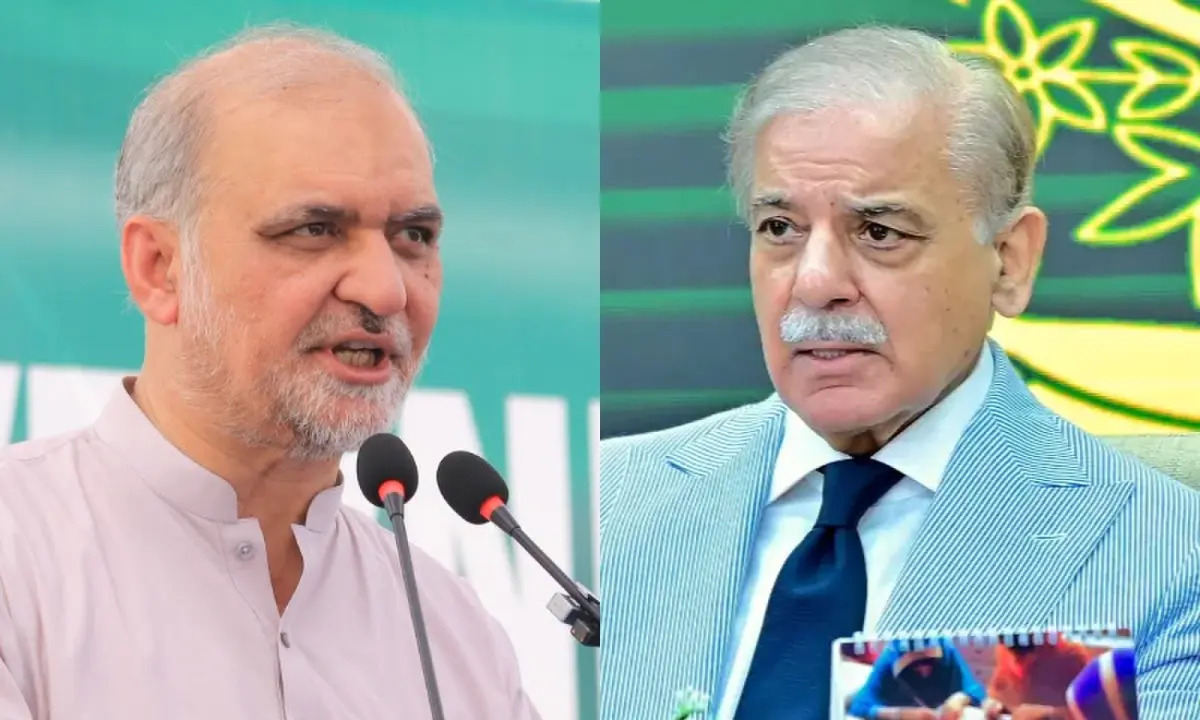
The federal government of Pakistan and religious-political party Jamaat-i-Islami (JI) are set to convene on Friday for committee-level discussions centered on the abolition of steep petroleum levies. The breakthrough came after a direct telephonic dialogue between JI Vice Emir Liaqat Baloch and Federal Minister for Planning, Development, and Special Initiatives Ahsan Iqbal. The consultative session, slated to occur at Punjab House in Islamabad, aims to finalize an agenda for a prospective high-level summit between Prime Minister Shehbaz Sharif and JI Emir Hafiz Naeemur Rehman.
JI has maintained sustained pressure on the coalition administration for more than two months, formally demanding the immediate withdrawal of hefty fiscal impositions on motor fuels. The party's primary grievance targets petroleum levies currently amounting to Rs114 per litre on motor spirit (petrol) and Rs100 per litre on high-speed diesel (HSD). These levies, paired with sustained international crude volatility stemming from Middle East geopolitical tensions, have driven retail fuel prices to punitive highs, triggering nationwide protests and calls for structural fiscal revisions.
Commercial & Economic Implications
For Pakistan’s commercial landscape and logistics networks, petroleum taxation remains a critical driver of core and headline inflation. Transporters, wholesale distributors, and retail merchant ecosystems operate on narrow margins that are sensitive to fuel pricing swings. The maintenance of an aggregate Rs100 to Rs114 levy on basic fuels exacerbates freight costs across countrywide supply chains, directly inflating the landing price of essential commodities, agricultural inputs, and manufactured goods.
In the retail and wholesale sectors, elevated diesel prices increase transportation overheads from primary port terminals in Karachi to secondary and tertiary distribution hubs across Punjab and Khyber Pakhtunkhwa. Consequently, intermediate suppliers are forced to pass rising logistics charges down to micro-retailers and end consumers. This fiscal structure also severely compresses discretionary spending power, reducing aggregate domestic demand and dampening wholesale market velocity across industrial hubs.
Related Intelligence: Government and Jamaat-i-Islami Open Talks on Petroleum Levy Reductions
Stakeholder Perspectives & Market Reactions
Small-scale business syndicates, wholesale trader associations, and transport unions have broadly endorsed JI’s campaign for fiscal relief. Commercial freight operators have routinely voiced alarm that prevailing fuel rates render long-haul logistics economically unviable. Market analysts, however, emphasize the federal government’s severe fiscal constraints under ongoing International Monetary Fund (IMF) program conditions. The Petroleum Development Levy (PDL) constitutes a non-negotiable revenue pillar within the federal budget, designed to bridge sovereign fiscal deficits.
Government economic managers maintain that arbitrary reductions in petroleum taxes could jeopardize multilateral commitments and derail macro-fiscal consolidation. Minister Ahsan Iqbal’s engagement indicates an effort to defuse political escalation while seeking middle-ground concessions. Conversely, JI leadership asserts that the state must streamline public expenditures and eliminate redundant administrative outlays rather than penalizing productive sectors and working-class households through regressive indirect taxation.
Forward Outlook & Key Watchpoints
The immediate trajectory of this dispute hinges on Friday’s engagement at Punjab House. Market observers are closely tracking whether the federal administration offers a phased reduction, temporary subsidies, or operational adjustments to fuel price mechanisms to prevent scheduled countrywide agitation. Key watchpoints include whether the planned direct meeting between Prime Minister Shehbaz Sharif and Hafiz Naeemur Rehman materializes, and how the Ministry of Finance navigates its sovereign revenue targets without triggering broader industrial unrest. Should talks stall, renewed protest calls could disrupt regional trade arteries and supply-chain logistics nationwide.
Join Our Official WhatsApp Channel
Receive live commodity alerts, policy changes, and commercial intelligence directly on WhatsApp.