
Government and Jamaat-i-Islami Open Talks on Petroleum Levy Reductions
The federal government and Jamaat-i-Islami have initiated committee-level negotiations in Islamabad aimed at reviewing heavy petroleum levies and arranging high-level talks between Prime Minister Shehbaz Sharif and JI leadership.
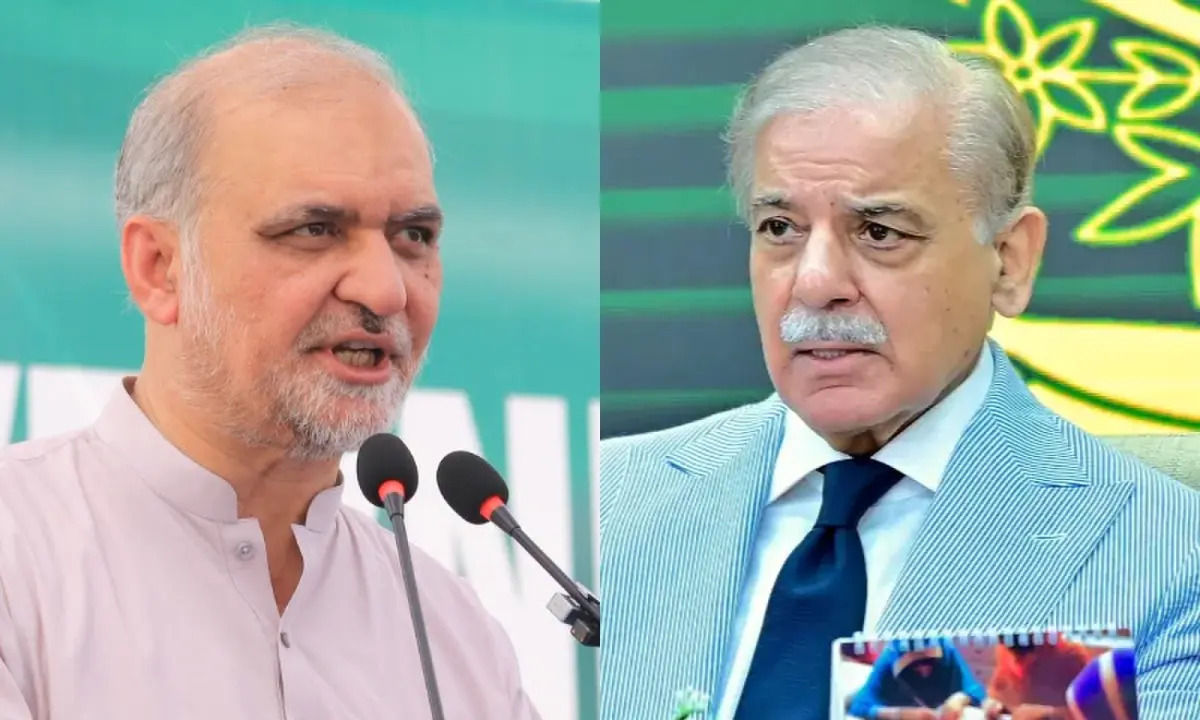
The Core Development Negotiating teams representing the [federal government](/news/federal-government-pledges-economic-revival-khyber-pakhtunkhwa-governor-rule) and Jamaat-i-Islami (JI) are scheduled to convene at Punjab House in Islamabad to deliberate on soaring fuel prices and lay the groundwork for a formal summit between [Prime Minister](/news/indian-youth-protests-challenge-modi-economic-policy-uncertainty) Shehbaz Sharif and JI Emir Hafiz Naeemur Rehman. The formal dialogue was initiated following a telephonic engagement between JI Vice Emir Liaqat Baloch and Federal Minister for Planning, Development, and Special Initiatives Ahsan Iqbal.
The discussions center on JI's sustained campaign demanding the complete withdrawal of petroleum development levies, which currently stand at unprecedented levels following recent budgetary revisions. The political party has actively agitated against the current fiscal measures, which impose levies of approximately Rs114 per litre on motor gasoline and Rs100 per litre on high-speed diesel. These levies, expanded in part to meet revenue benchmarks established under the International Monetary Fund (IMF) Extended Fund Facility, have drawn intense scrutiny as global crude markets remain volatile due to continuing tensions in the Middle East. Friday's negotiations are designed to evaluate potential fiscal room for consumer relief and establish a clear agenda for head-of-government engagement.
Commercial & Economic Implications For Pakistan’s commercial ecosystem, fuel pricing serves as the baseline variable determining wholesale transport costs, freight charges, and retail markups. High-speed diesel powers the agrarian supply chain, intercity logistics, and heavy industrial machinery. The current levy structure has significantly increased operating expenditures for transport operators, who have passed these costs directly to distributors and wholesale dealers.
Retail traders and agricultural producers have faced continuous margin compression. When fuel overheads surge, perishable commodities experience higher spoilage risks and distribution delays as transport frequencies drop. A negotiated rationalization or phased reduction in the petroleum levy would immediately suppress freight freight rates across the primary national logistics arteries, including the Karachi-Lahore corridor. Conversely, any fiscal concession granted by the Centre presents a formidable challenge to national tax collection targets, potentially creating a deficit that could complicate compliance with IMF revenue benchmarks.
Related Intelligence: Southeast Asia Haze Crisis Strains ASEAN Diplomacy and Agricultural Supply Chains
Stakeholder Perspectives & Market Reactions Wholesale trade bodies, chambers of commerce, and logistics associations have expressed cautious optimism regarding the bilateral talks. Market actors have long argued that fuel surcharges disproportionately burden production and distribution sectors rather than broader consumer consumption alone. Transport syndicates in urban hubs have voiced solidarity with demands for fiscal relief, warning that unabated energy tariffs could trigger supply chain disruptions.
Government economic planners, however, emphasize the narrow fiscal corridor within which Islamabad operates. Ministry of Finance officials maintain that petroleum levies are indispensable non-tax revenue instruments required to sustain primary budget surplus targets. Independent macroeconomists note that while political concessions may quell immediate public friction, unilateral reductions without alternative revenue mechanisms could destabilize external financing agreements and widen budgetary shortfalls.
Forward Outlook & Key Watchpoints The outcome of the Punjab House negotiations will determine whether a broader consensus is reachable between the ruling coalition and political opposition. Market observers are closely monitoring whether the government will propose targeted structural subsidies for primary commercial transport, an incremental adjustment schedule, or hold a firm stance on current levy bands.
Should the committee reach common ground, the subsequent bilateral meeting between Prime Minister Shehbaz Sharif and Hafiz Naeemur Rehman will mark a decisive turn in fiscal policy management. Key watchpoints include the upcoming fortnightly fuel price review, the Ministry of Finance's official communication to multilateral lenders, and any potential concessions related to broader industrial electricity tariffs and commercial taxation frameworks.
Join Our Official WhatsApp Channel
Receive live commodity alerts, policy changes, and commercial intelligence directly on WhatsApp.