
Russia Positions as Potential Broker in Stalled US-Iran Nuclear Negotiations
Moscow is positioning itself as a pivotal intermediary to revive stalled US-Iran nuclear talks, seeking diplomatic leverage while global energy markets weigh the prospect of sanctions relief.
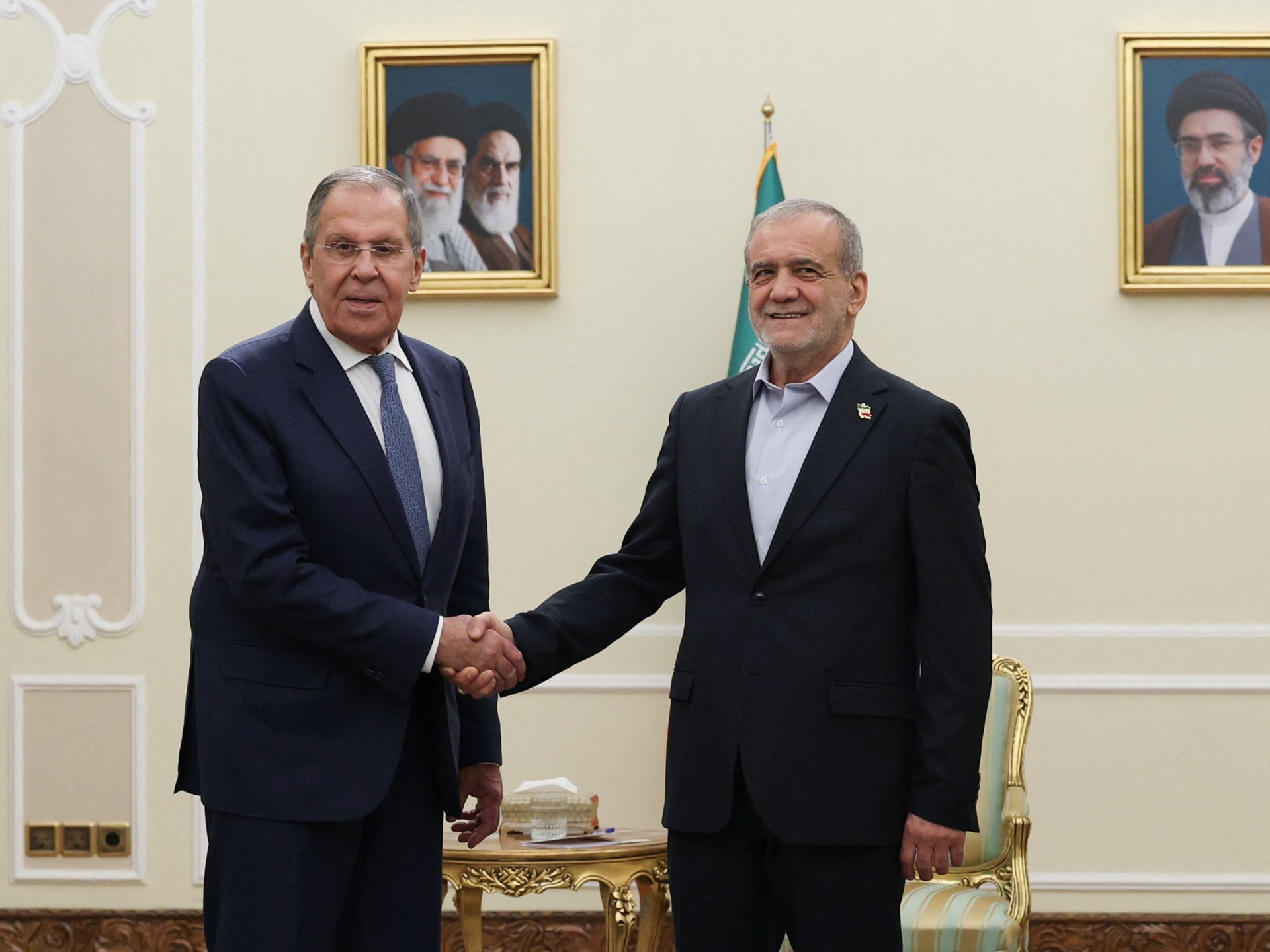
Geopolitical & Core Developments
Efforts to resuscitate the Joint Comprehensive Plan of Action (JCPOA) have confronted persistent impasses since the unilateral withdrawal of the United States in 2018 and Tehran's subsequent acceleration of uranium enrichment. Amid this protracted diplomatic paralysis, the Russian Federation has emerged as a prospective mediator. Moscow’s historical role as a core signatory to the 2015 accord, coupled with its deepening defense, technical, and economic partnership with Tehran, positions the Kremlin in a unique diplomatic corridor between Washington and Iranian leadership.
Russia’s state atomic energy corporation, Rosatom, has long maintained a critical technical presence in Iran, notably managing the operations and fuel cycles at the Bushehr Nuclear Power Plant. This operational footprint grants Moscow distinct verification and logistical capabilities that few other international powers possess. In previous negotiation rounds in Vienna, Russian envoys frequently functioned as technical interlocutors, drafting compromise frameworks concerning the transfer of Iran’s excess enriched uranium stockpiles to Russian soil. As Washington maintains indirect engagement with Tehran via regional channels, Moscow is actively seeking to convert its geopolitical proximity into an indispensable mediating mandate.
Global Trade & Economic Ripples
The prospect of a brokered settlement between Washington and Tehran carries direct structural consequences for international commodity markets. Iranian crude production currently faces severe secondary sanctions, constraining official exports and compelling flows through opaque maritime networks. A verified diplomatic resolution resulting in the phased lifting of sanctions could reintroduce between 1.0 and 1.5 million barrels per day of Iranian crude into mainstream maritime transit within six to nine months.
Such an influx would fundamentally alter the balance within OPEC+, introducing downward price pressure on Brent and West Texas Intermediate benchmarks. For global shipping corridors, particularly the Strait of Hormuz, reduced regional hostilities would likely lead to lower war-risk insurance premiums for commercial tankers. Conversely, should Moscow utilize its leverage to condition nuclear progress on broader sanctions relief, energy markets could face sustained volatility, as Western compliance regimes adapt to prevent sanctions evasion through tripartite Moscow-Tehran financial conduits.
International Reactions & Diplomatic Stances
Diplomatic reception across global capitals remains deeply polarized. European signatories—principally the United Kingdom, France, and Germany—acknowledge the technical necessity of Russian involvement in managing nuclear material transfers, yet express profound skepticism regarding Moscow’s overarching strategic motives. Western officials caution that the Kremlin may attempt to link concessions on Iranian enrichment to sanctions relief for its own financial institutions.
In Washington, policymakers maintain a guarded posture, emphasizing that direct diplomatic alignment with Moscow on Middle Eastern security is severely constrained by existing strategic divides. Officials at the International Atomic Energy Agency (IAEA) have repeatedly urged transparent multilateral engagement, highlighting that any durable verification mechanism requires rigorous monitoring independent of bilateral political alignments. Tehran, while receptive to Russian mediation, continues to insist that any prospective agreement must provide ironclad economic guarantees and complete unfreezing of foreign-held sovereign assets.
Strategic Outlook & Future Scenarios
The viability of a Russian-brokered diplomatic breakthrough hinges on multiple converging variables. In the primary scenario, incremental technical agreements—such as capping enrichment levels in exchange for targeted humanitarian waivers—could proceed under multilateral oversight, providing a stabilization framework without formal comprehensive treaties.
Alternatively, if negotiations collapse under the weight of competing geopolitical priorities, Tehran may escalate enrichment thresholds toward weapons-grade material, heightening the risk of direct regional military confrontations. Over the coming quarters, international focus will center on upcoming IAEA Board of Governors meetings and preliminary diplomatic channels in the Gulf. The trajectory of these deliberations will determine whether Moscow successfully establishes itself as an indispensable arbiter or if the proliferation impasse deepens systemic risks across global energy transit and international security architectures.
Join Our Official WhatsApp Channel
Receive live commodity alerts, policy changes, and commercial intelligence directly on WhatsApp.