
Southeast Asia Haze Crisis Strains ASEAN Diplomacy and Agricultural Supply Chains
Escalating cross-border toxic haze across Southeast Asia has renewed demands for legal retribution against agribusiness polluters, exposing structural governance deficits within ASEAN.
Geopolitical & Core Developments
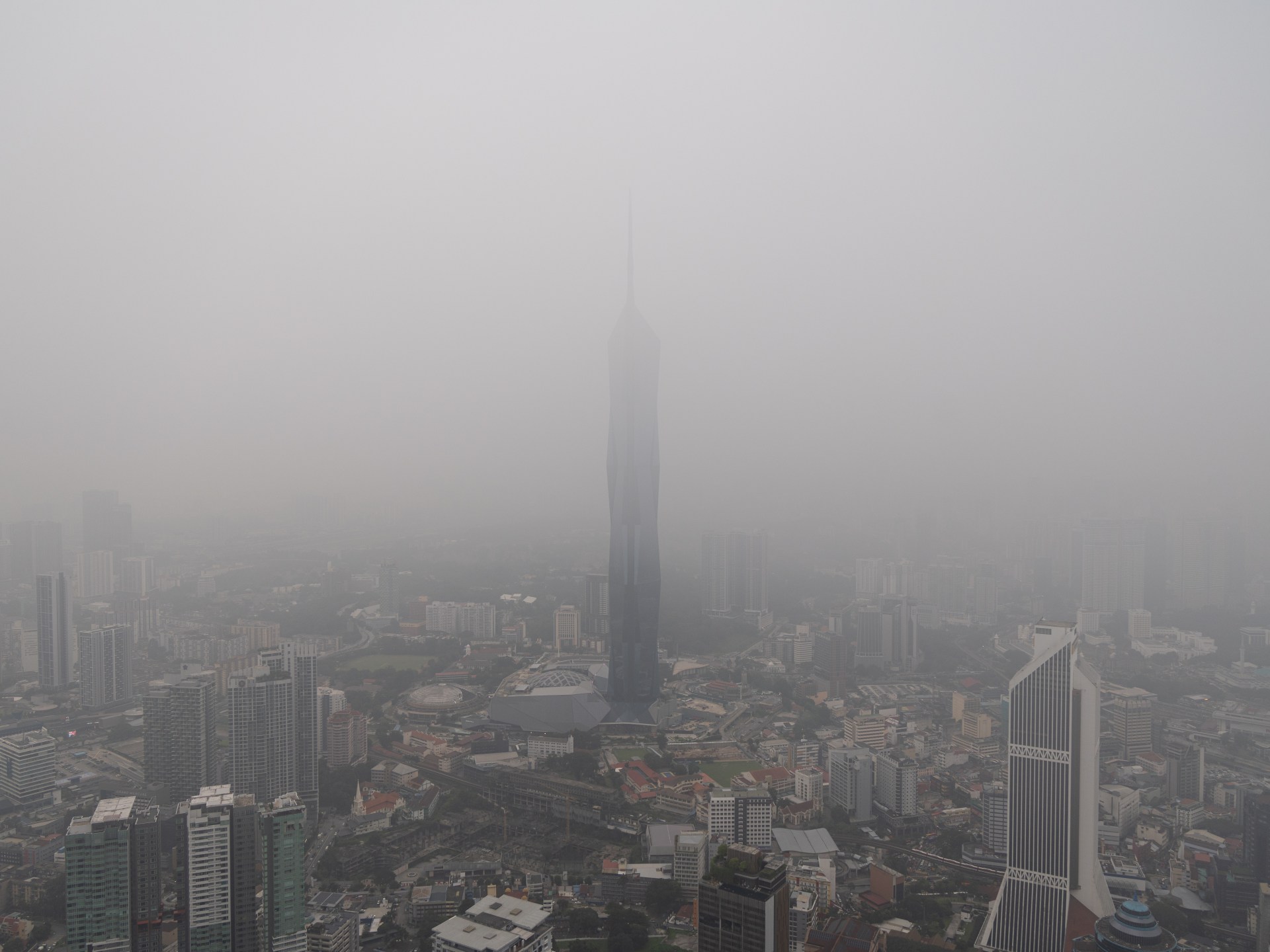
The recurrence of severe transboundary haze across Southeast Asia has re-ignited diplomatic frictions among member states of the Association of Southeast Asian Nations (ASEAN). Driven by slash-and-burn land clearance methods deployed across commercial agricultural concessions, seasonal particulate pollution has blanketed urban centers and rural belts across Indonesia, Malaysia, and Singapore, and northern reaches of Thailand, Myanmar, and Laos. While seasonal weather patterns dictate the geographical spread, the crisis remains fundamentally geopolitical, reflecting deep-seated institutional inertia and governance deficits within the regional bloc.
At the epicenter of the standoff lies the ASEAN Agreement on Transboundary Haze Pollution, signed in 2002. Although conceived as a landmark environmental pact, the treaty lacks robust dispute settlement frameworks and enforcement mechanisms. Sovereign sensitivity over domestic agricultural oversight and land sovereignty has historically impeded punitive measures. Affected capitals have voiced mounting frustration as smoke plumes surpass hazardous thresholds on the Air Pollutant Index, compromising public health and local economies. Legal scholars and civil society organizations have intensified calls to invoke extraterritorial environmental statutes, yet the bloc's foundational doctrine of non-interference and consensus-based decision-making consistently frustrates cross-border litigation.
Global Trade & Economic Ripples
The macroeconomic and commercial repercussions of the haze crisis reverberate far beyond regional boundaries. The agricultural practices fueling the haze are closely linked to major global commodities, primarily crude palm oil, timber, and pulp and paper sectors. The reliance on uncontrolled burning to prepare concessions for monoculture plantations threatens to trigger retaliatory non-tariff barriers and heightened scrutiny from international buyers, notably within the European Union under its Deforestation Regulation (EUDR).
Disruptions to regional infrastructure and logistics corridors pose an immediate liability. Reduced visibility regularly suspends flight operations across vital regional hubs, stalling freight logistics and complicating air freight corridors. In maritime chokepoints such as the Malacca Strait, heavy haze introduces navigation hazards for bulk carriers, container ships, and petroleum tankers. Furthermore, localized factory closures, productivity losses across outdoor labor workforces, and the compounding fiscal drain of respiratory healthcare interventions place measurable headwinds on GDP growth in affected Southeast Asian economies.
Related Intelligence: World Bank Outlines Path to Triple Pakistan Incomes by 2050
International Reactions & Diplomatic Stances
Regional authorities have oscillated between diplomatic conciliation and defensive posturing. Environmental ministries in downstream states have pressed for transparent plantation concession data and shared satellite-mapping systems to hold offending entities accountable. In response, upstream administrations maintain that aggressive localized firefighting efforts and enforcement operations are underway, frequently attributing localized hotspots to smallholders and natural drought conditions rather than systemic corporate negligence.
Multilateral bodies, including the United Nations Environment Programme (UNEP) and the World Bank, have repeatedly emphasized that transboundary pollution undermines regional commitments toward carbon emissions reduction targets. Legal advocates point toward Singapore's Transboundary Haze Pollution Act as an innovative legal blueprint that creates civil and criminal liability for entities contributing to regional haze; however, its efficacy remains heavily constrained by a lack of evidentiary cooperation and mutual legal assistance treaties across jurisdictional lines.
Strategic Outlook & Future Scenarios
The trajectory of Southeast Asia's transboundary haze management hinges on structural reform within ASEAN's dispute adjudication apparatus. Over the short to medium term, heightened civil pressure is expected to drive more unilateral litigation in domestic courts against parent agribusiness groups and institutional financiers. Financial institutions financing major agricultural expansion face heightened reputational risk, potentially triggering institutional divestment from non-compliant concessionaires.
Unless ASEAN transitions from its traditional non-confrontational paradigm toward verifiable, legally binding environmental governance, the geopolitical stalemate will persist. Forthcoming regional ministerial meetings are expected to address transboundary haze roadmaps, yet significant diplomatic breakthroughs appear improbable without an institutional consensus permitting cross-border regulatory oversight and joint prosecutorial mechanisms.
Join Our Official WhatsApp Channel
Receive live commodity alerts, policy changes, and commercial intelligence directly on WhatsApp.