
US Elementary School Shooting Rekindles Domestic Turmoil and Social Stability Concerns
A fatal shooting at a US elementary school has left at least four dead, triggering renewed scrutiny of American domestic security and its broader institutional implications.
Geopolitical & Core Developments
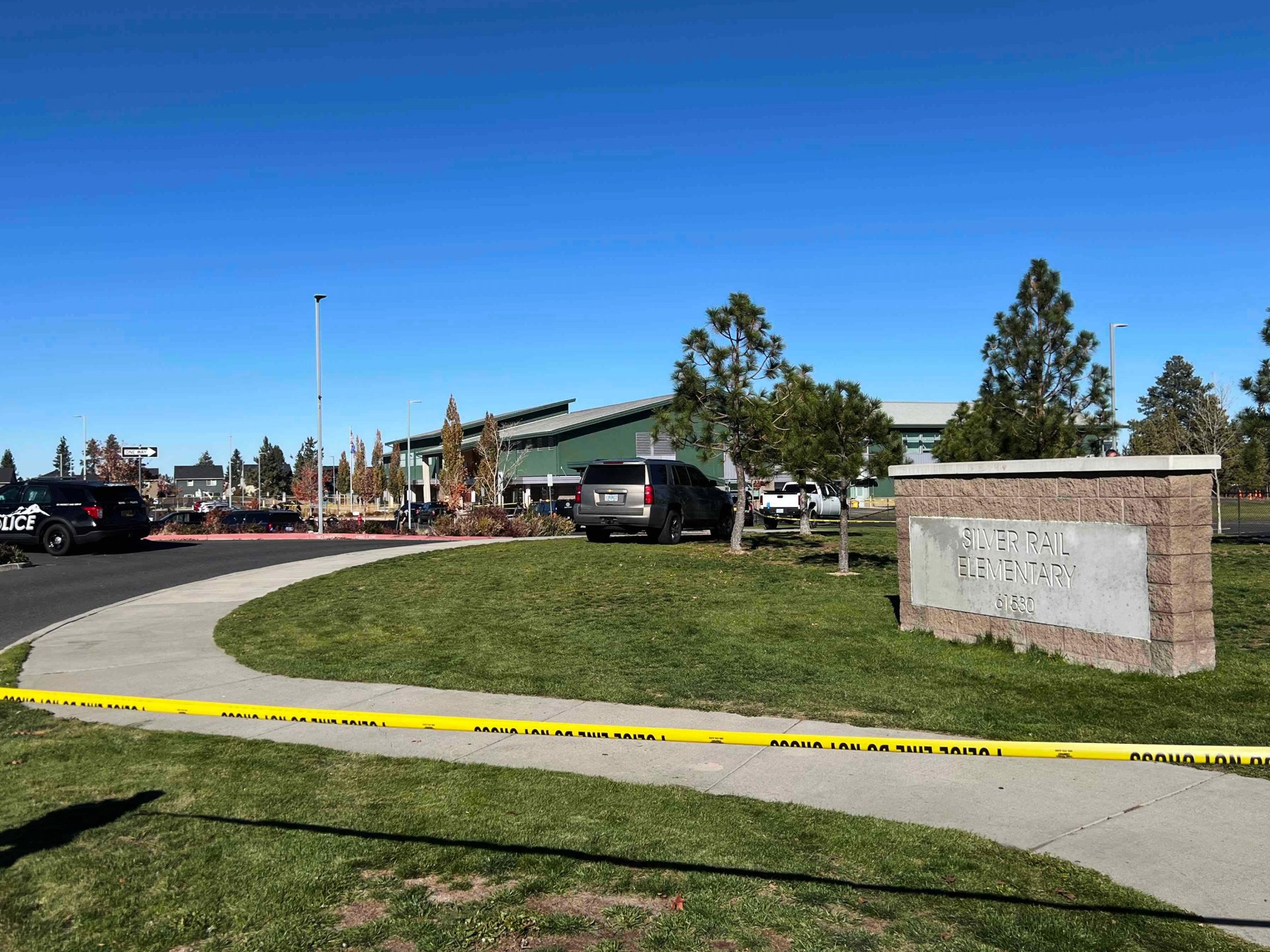
A deadly shooting at an elementary school in the United States has claimed the lives of at least four individuals, including three young children, marking another devastating entry in the nation's ongoing crisis of mass violence. Law enforcement officials confirmed that the armed assailant was neutralized by gunfire on-site, though initial operational details regarding the precise sequence of events, weapon procurement channels, and ideological motivations remain subject to active multi-agency federal and local investigation.
The strategic implications of recurring domestic attacks transcend municipal boundaries. For global observers and diplomatic missions stationed in Washington, chronic public safety vulnerabilities highlight persistent structural fractures within the US domestic apparatus. Repeated mass casualty incidents place severe stress on federal and state governance mechanisms, diverting executive bandwidth toward reactive crisis management and deepening domestic political polarization. The institutional inability to achieve legislative consensus on firearm regulation and public safety protocols continues to be viewed internationally as an indicator of systemic domestic gridlock.
[Global Trade](/news/us-midterm-voter-discontent-signals-global-trade-shifts) & Economic Ripples
While localized violence does not directly disrupt maritime shipping lanes or global commodity supply chains, the secondary macro-fiscal ramifications are tangible. The recurring incidence of public safety crises imposes significant economic friction on the US market, spanning surging municipal expenditure on security infrastructure, elevated commercial liability insurance premiums, and systemic healthcare burdens.
From a market perspective, protracted social instability and political polarization incrementally erode investor sentiment regarding domestic sovereign cohesion. Large-scale domestic security crises often prompt market volatility in defense, law enforcement technology, and private security equities, while broader consumer sentiment indexes frequently exhibit short-term contractions following high-profile tragedies. Furthermore, foreign direct investment screening and international workforce mobility can face indirect headwinds if concerns over physical security and municipal safety metrics begin to influence transnational corporate relocation strategies.
Related Intelligence: US Immigration Enforcement Drives Political Polarization Ahead of Midterm Elections
International Reactions & Diplomatic Stances
International reactions have mirrored past tragedies, characterized by diplomatic condolences coupled with unvarnished assessments of US domestic governance. Diplomatic envoys from allied nations, alongside United Nations human rights rapporteurs, have previously emphasized that the unchecked proliferation of high-capacity firearms undermines foundational social stability and public health baselines.
Multilateral bodies and non-governmental organizations dedicated to child welfare and public safety routinely classify recurrent school shootings as an ongoing human rights and civic protection emergency. Diplomatic partners throughout Europe and the Asia-Pacific region have privately noted that ongoing domestic volatility constrains Washington's moral authority when advocating for civic cohesion and institutional stability in multilateral forums. Market analysts and political risk consultancies frequently incorporate these recurring domestic crises into qualitative risk modeling, highlighting social cohesion as a persistent vulnerability in long-term US sovereign risk profiles.
Strategic Outlook & Future Scenarios
The immediate trajectory will feature renewed calls for federal gun control legislation, judicial reviews, and executive actions, though entrenched legislative divisions render comprehensive statutory reform unlikely. The tragedy will inevitably feed into upcoming federal, state, and municipal election cycles, reinforcing ideological entrenchment between progressive factions demanding strict access restrictions and conservative coalitions defending constitutional protections.
Looking ahead, sovereign risk monitors will observe whether compounding domestic crises further weaken institutional trust and policy agility. Without meaningful structural solutions, repetitive incidents of mass violence risk normalizing societal instability, sustaining elevated domestic friction, and subtly undermining the long-term socioeconomic predictability required for sustained economic resilience and global strategic leadership.
Join Our Official WhatsApp Channel
Receive live commodity alerts, policy changes, and commercial intelligence directly on WhatsApp.