
US Diplomatic Push Aims to Revive Ukraine Ceasefire Talks Amid Renewed Regional Assaults
Washington is pushing to restart Russia-Ukraine ceasefire talks as renewed military strikes hit eight Ukrainian regions, sending fresh tremors through global commodity and energy markets.
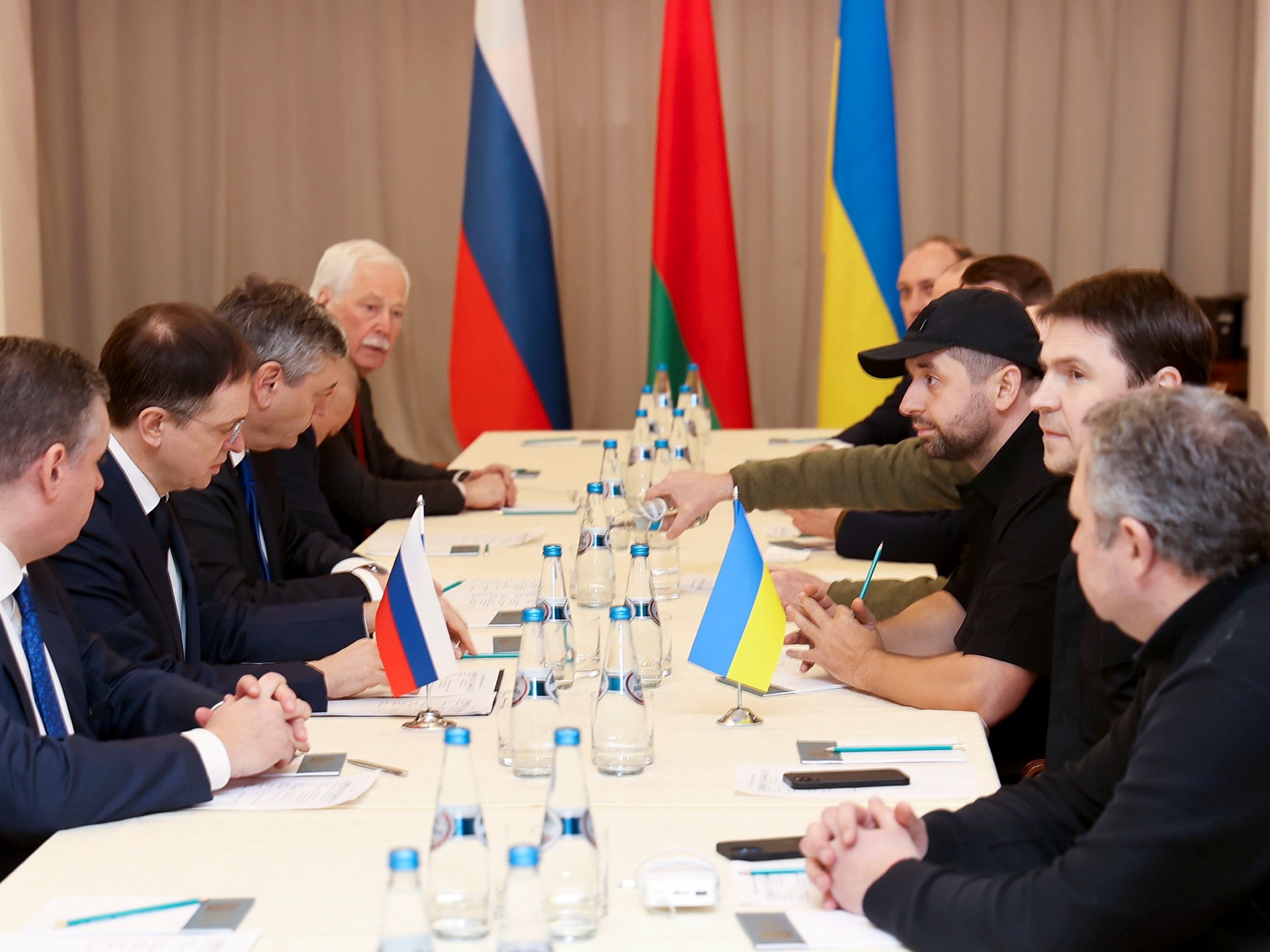
Geopolitical & Core Developments
The United States has intensified diplomatic efforts to restart stalled ceasefire negotiations between Moscow and Kyiv, even as the conflict enters a newly volatile phase on the ground. Ukrainian leadership confirmed that Russian forces launched coordinated military strikes across eight distinct regions since the early hours of the day, targeting critical infrastructure and urban centers. This simultaneous escalation underscores the immense challenges facing international mediators who are attempting to bridge an apparently widening gap between the belligerents' core strategic demands. Washington's renewed diplomatic push reflects growing urgency within Western capitals to establish a sustainable framework for de-escalation before winter weather further complicates strategic calculations on the front lines.
Global Trade & Economic Ripples
International commodity markets and global supply chains reacted swiftly to the dual news of renewed fighting and diplomatic intervention. European natural gas futures experienced intraday volatility, reflecting trader anxiety over the security of remaining pipeline corridors and transit routes traversing Eastern Europe. Furthermore, agricultural futures—particularly wheat and corn benchmarks managed through Black Sea export frameworks—saw immediate upward price pressures. International shipping insurers are recalibrating risk assessments for commercial vessels operating near contested maritime boundaries, driving up freight rates and marine insurance premiums. Currency markets also mirrored this geopolitical friction, with regional currencies softening against the US dollar as investors migrate toward traditional safe-haven assets.
Related Intelligence: Iran Proposes Seven-Day Plan to Reopen Strait of Hormuz Amid Global Energy Pressures
International Reactions & Diplomatic Stances
Multilateral bodies and key international stakeholders have responded with cautious commentary, balancing desires for immediate peace talks against skepticism regarding the sincerity of current negotiating postures. Representatives from the United Nations reiterated calls for an immediate cessation of hostilities targeting civilian infrastructure, emphasizing that humanitarian corridors must remain protected regardless of diplomatic breakthroughs. European Union officials expressed steadfast support for Washington's mediation initiatives while stressing that any viable ceasefire must fully respect Ukraine's territorial sovereignty. Meanwhile, independent market analysts note that institutional investors are adopting a wait-and-see stance, withholding long-term capital deployment in Eastern European infrastructure until a credible, enforceable peace framework materializes.
Strategic Outlook & Future Scenarios
Looking ahead, the trajectory of the Russia-Ukraine conflict hinges on whether diplomatic channels can translate battlefield fatigue into formal negotiating postures. Upcoming international security summits will serve as critical pressure points for Western allies to coordinate financial assistance packages and tighten enforcement mechanisms on existing sanctions against Moscow. If diplomatic efforts fail to yield a cessation of hostilities, analysts anticipate a hardening of military strategies on both sides, likely resulting in prolonged attrition warfare. Such an outcome would cement persistent inflationary pressures across global energy and food markets, forcing central banks worldwide to factor sustained geopolitical risk into their monetary policy frameworks for the foreseeable future.
Join Our Official WhatsApp Channel
Receive live commodity alerts, policy changes, and commercial intelligence directly on WhatsApp.