
Indian Youth Group Demands Election Chief Resignation Amid Crisis
A prominent Indian youth movement has threatened mass protests and issued a strict deadline for the resignation of Chief Election Commissioner Gyanesh Kumar over alleged electoral interference.
Geopolitical & Core Developments
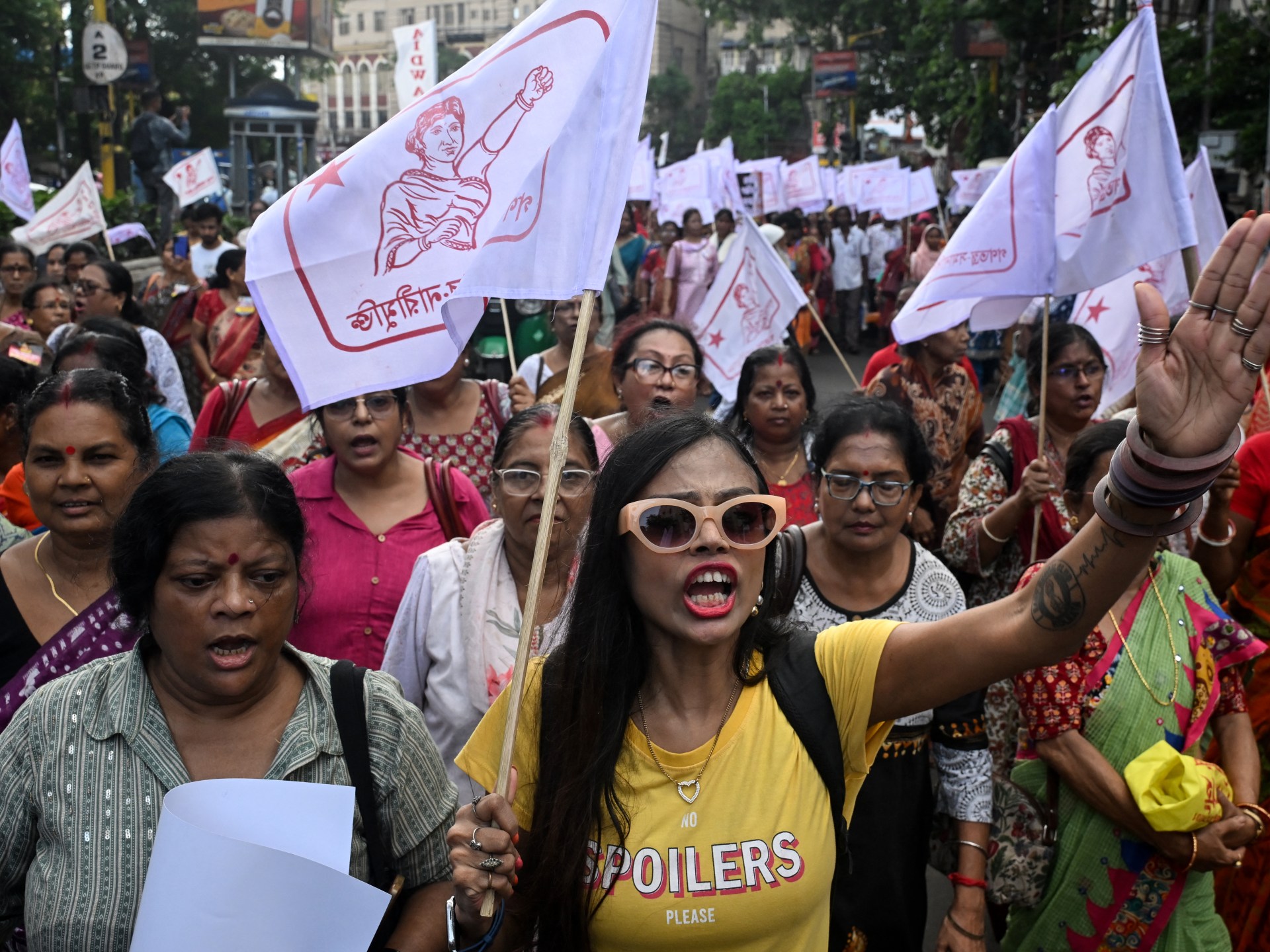
Tensions have escalated significantly within the world's largest democracy as a prominent youth coalition, identifying as the cockroach movement, launched a high-stakes campaign demanding the immediate resignation of Chief Election Commissioner Gyanesh Kumar. The ultimatum follows mounting allegations of institutional meddling and compromised neutrality within India's top electoral watchdog. Organizers have warned that failure to comply with the deadline will trigger a return to nationwide mass protests, reminiscent of historical civil disobedience movements that paralyzed major urban centers and drew intense global scrutiny.
The core of the controversy centers on transparency and the perceived independence of electoral administration. State actors and domestic opposition factions have increasingly voiced concerns over the integrity of recent administrative decisions. By targeting the leadership of the Election Commission, the youth movement has struck at a foundational pillar of Indian democratic governance. Strategic stakes are exceptionally high, as any prolonged political instability threatens to disrupt policy continuity and test the resilience of democratic institutions in a pivotal South Asian state.
Global Trade & Economic Ripples
While the unfolding crisis is fundamentally political, international market analysts and commodity traders are closely monitoring the situation for potential economic spillovers. India remains a linchpin in global supply chains, energy consumption, and trade agreements. Sustained civil unrest or widespread strikes could create logistical bottlenecks in major manufacturing and commercial hubs, impacting international trade flows and domestic consumption patterns.
Foreign direct investment into the region is particularly sensitive to perceived political risk. Global investors value regulatory predictability and institutional stability. Any escalation into prolonged street protests or a severe constitutional crisis could prompt a temporary reassessment of asset allocations and currency values. Although direct impacts on global energy markets and shipping lanes remain muted for now, a destabilized political landscape in New Delhi introduces an unwelcome layer of volatility for multinational corporations operating within the subcontinent.
Related Intelligence: Ethiopian Tigray Unrest Sparks Regional Security and Trade Concerns
International Reactions & Diplomatic Stances
International bodies and foreign governments have begun monitoring the developments with cautious diplomacy, emphasizing the importance of democratic norms and institutional integrity. While formal statements from multilateral organizations such as the United Nations remain measured, diplomatic missions in New Delhi are closely assessing the potential for civil unrest to affect bilateral ties and regional security.
Market analysts and global risk advisory firms have issued preliminary advisories to institutional clients, highlighting the need for contingency planning. Observers note that the international community regards India's robust electoral framework as a stabilizing force in the Indo-Pacific region. Consequently, any sustained challenge to the legitimacy of electoral authorities is viewed not merely as a domestic dispute, but as a development with broader geopolitical resonance.
Strategic Outlook & Future Scenarios
Looking ahead, the immediate trajectory of the crisis depends heavily on the response of federal authorities and the Election Commission to the ultimatum. Refusal to step down by the targeted officials is widely expected to catalyze organized demonstrations across multiple states, testing the government's crowd-control measures and political management skills.
In the medium term, the confrontation could accelerate demands for comprehensive electoral reforms or lead to heightened polarization ahead of upcoming regional legislative contests. For international partners and global investors, navigating this period requires a balanced approach that acknowledges domestic political grievances while maintaining commercial engagements in one of the world's fastest-growing major economies.
Join Our Official WhatsApp Channel
Receive live commodity alerts, policy changes, and commercial intelligence directly on WhatsApp.