
Iran Proposes Seven-Day Plan to Reopen Strait of Hormuz Amid Global Energy Pressures
Tehran's proposed seven-day framework to reopen the vital Strait of Hormuz aims to alleviate surging global fuel prices and political pressures on Washington.
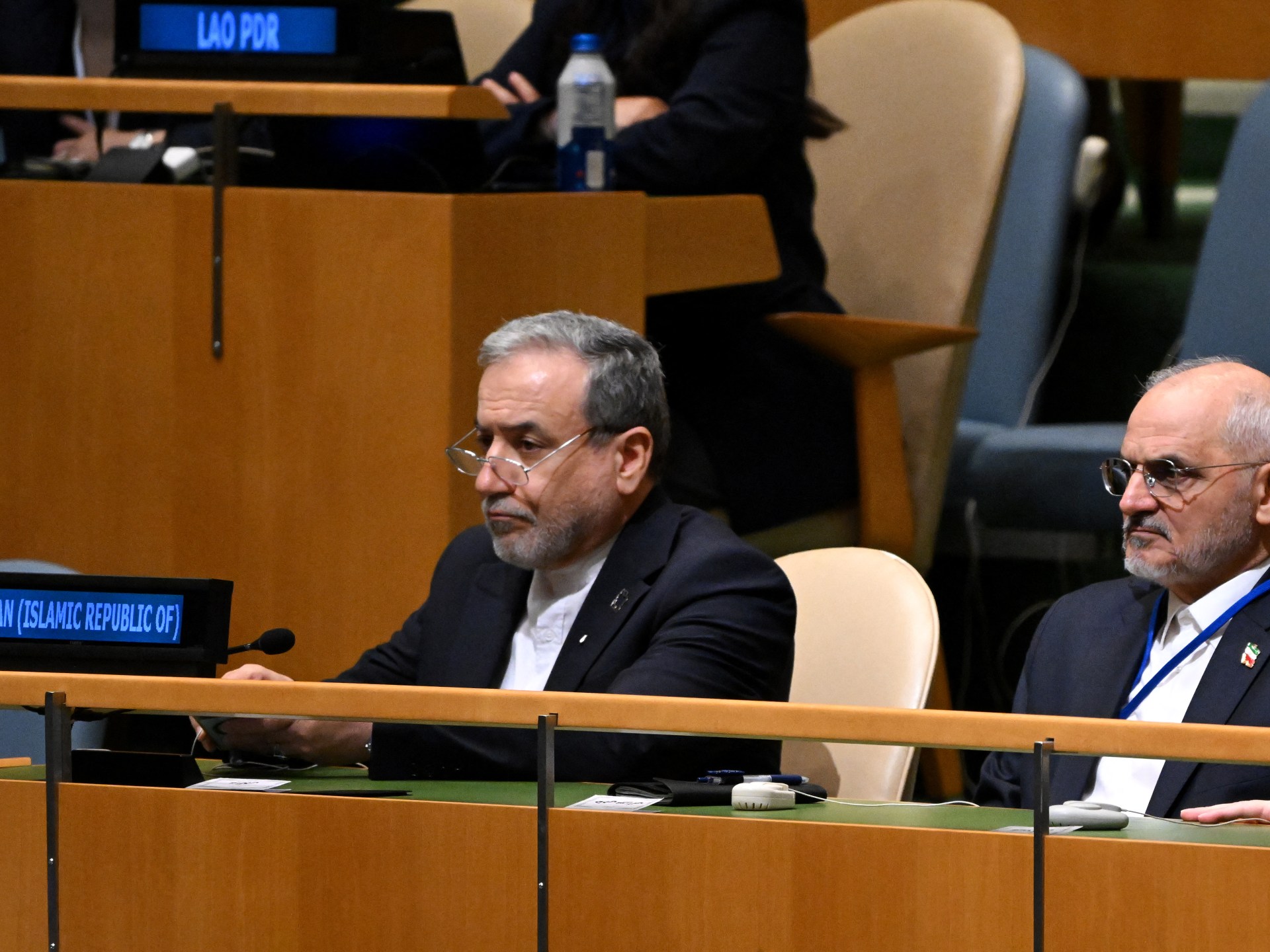
Geopolitical & Core Developments
Tehran has formally introduced a strategic seven-day operational framework aimed at normalizing maritime navigation and commercial transit through the critical Strait of Hormuz. This vital maritime chokepoint, responsible for handling roughly a fifth of the world's petroleum consumption, has experienced heightened tensions, naval posturing, and insurance risk premiums following protracted geopolitical friction between Iran and Western powers. The newly floated diplomatic overture outlines a phased schedule for de-escalating military readiness, scaling back naval surveillance exercises, and establishing secure maritime corridors for commercial tankers. State actors across the Middle East have engaged in frantic back-channel diplomacy, mediated by regional interlocutors, to assess the technical viability of the schedule. While Washington and its allies evaluate the credibility of Tehran's guarantees, intelligence analysts emphasize that any sustainable reopening requires verifiable verification mechanisms to prevent sudden naval standoffs. The timing of the proposal highlights the intricate nexus between regional security architecture and domestic political vulnerabilities in Western capitals, particularly as energy security remains inextricably linked to broader geopolitical stability.
Global Trade & Economic Ripples
The prospective reopening of the Strait of Hormuz carries profound implications for global energy markets, supply chain resilience, and commodity pricing structures. Prolonged disruptions and heightened threat levels in the corridor have forced major shipping lines to reroute vessels or absorb exorbitant war-risk insurance premiums, ultimately translating into elevated Brent crude benchmarks and refined product costs. A successful implementation of Tehran's seven-day stabilization plan could immediately deflate speculative risk premiums embedded in current oil futures, offering much-needed relief to energy-importing economies across Asia and Europe. Furthermore, liquefied natural gas (LNG) carriers operating out of the Persian Gulf stand to benefit significantly from restored transit reliability, mitigating potential shortages ahead of peak seasonal demand cycles. Commodity traders and multinational logistics firms remain poised for rapid realignment, though treasury desks are closely monitoring currency volatility and freight rate adjustments as physical supply chains react to the shifting security paradigm.
Related Intelligence: Iran Proposes Seven-Day Roadmap to Ease US Tensions and Reopen Hormuz
International Reactions & Diplomatic Stances
International response to the Iranian proposal has been characterized by a mixture of diplomatic cautiousness and strategic skepticism. Spokespersons for multilateral bodies, including the United Nations, have welcomed any initiative capable of averting energy shocks and safeguarding freedom of navigation under international maritime law. However, Western foreign ministries have underscored that substantive sanctions relief or diplomatic engagement must be predicated on permanent, verifiable compliance rather than temporary operational pauses. Energy market analysts polled across major financial hubs suggest that while the initiative demonstrates a willingness to engage in pragmatic diplomacy, institutional investors require durable security guarantees before unwinding defensive hedging positions. Regional capitals, meanwhile, have adopted a constructive posture, emphasizing that multilateral dialogue remains the sole viable pathway to insulating global trade from localized geopolitical confrontations.
Strategic Outlook & Future Scenarios
Looking ahead, the trajectory of the Strait of Hormuz will depend heavily on the sincerity of the implementation phase and the willingness of international stakeholders to engage in parallel diplomatic tracks. With escalating fuel prices exerting intense pressure on the United States administration ahead of upcoming midterm elections, energy security has re-emerged as a paramount domestic and foreign policy priority. Upcoming international summits and ministerial meetings are expected to serve as forums for hashing out the fine print of the operational plan, including joint naval monitoring arrangements and protocols for resolving maritime disputes. Should the seven-day framework hold, it could pave the way for broader negotiations concerning regional security architectures and targeted sanctions relief. Conversely, any technical miscalculation or breach of protocol during the implementation window risks triggering a severe escalation, permanently entrenching energy market volatility and reshaping global trade routes for the foreseeable future.
Join Our Official WhatsApp Channel
Receive live commodity alerts, policy changes, and commercial intelligence directly on WhatsApp.