
US Diplomatic Push Targets Indian Refining Giant Amid Shifting Energy Sanctions
Washington is intensifying direct diplomatic engagement with India's Reliance Industries to balance strict sanctions enforcement against Russia while preventing supply shocks across global fuel markets.
Geopolitical & Core Developments
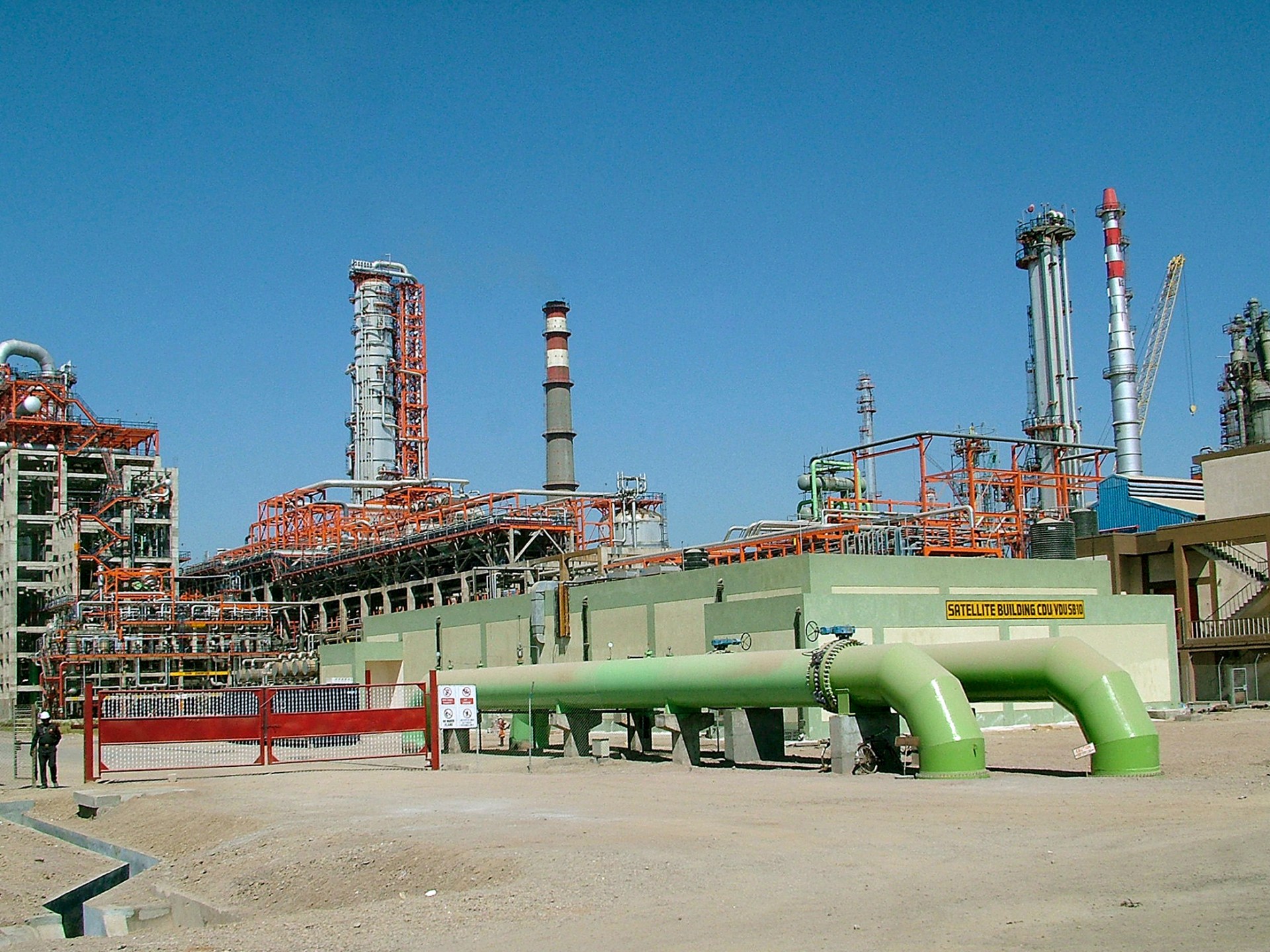
A pivotal high-level engagement between senior United States officials and Reliance Industries underscores the delicate tightrope Washington is walking in managing international energy diplomacy. Reliance operates the world's largest refining complex at Jamnagar in the western state of Gujarat, boasting an aggregate processing capacity exceeding 1.4 million barrels per day. The complex occupies a central nexus in Washington's strategic calculus as the United States seeks to tighten enforcement against maritime shipments of sanctioned crude while avoiding an inflationary supply squeeze.
Since the implementation of the G7-led price cap mechanism on Russian seaborne crude, India has emerged as one of the leading buyers of Urals grade oil, taking advantage of steep bilateral discounts. Reliance Industries has served as a primary commercial processor of these volumes, turning lower-cost feedstock into high-grade diesel and jet fuel exported across Europe, North America, and the Asia-Pacific. However, escalating geopolitical friction in the Middle East and ongoing tensions concerning Iran have narrowed global spare refining capacity. Washington’s direct outreach highlights an urgent diplomatic effort to persuade major non-Western refiners to reduce reliance on distressed barrels or strictly comply with verification mechanisms without withdrawing essential refined products from international circulation.
Global Trade & Economic Ripples
The ripple effects of this diplomatic maneuvering extend deep into physical commodity trading and maritime logistics. The Jamnagar complex sits at the intersection of critical Indian Ocean shipping corridors, directly processing supertanker imports from the Persian Gulf, Russia, and West Africa. Any operational pivot by Reliance away from discounted Eurasian barrels alters the economics of global crude arbitrage. It forces Indian operators to bid more aggressively for regional Middle Eastern grades like Murban and Arab Light, raising benchmark premiums and shipping rates.
Simultaneously, European and American consumer markets remain structurally dependent on the continuous outflow of Indian refined distillates. Following direct Western bans on Russian diesel, imports of Indian-refined fuels into continental Europe reached historic highs, creating what market observers describe as a circuitous pathway for refined hydrocarbons. If US enforcement narrows compliance loopholes too rapidly, global refining margins could surge, driving up diesel and transport fuel costs across developing and developed economies alike.
Related Intelligence: Pakistan Mediates Tehran-Washington Friction to Avert Middle East Conflict
International Reactions & Diplomatic Stances
Official quarters in Washington have emphasized that bilateral talks with New Delhi are designed to reinforce adherence to sanctions architecture rather than disrupt international crude flows. US Treasury and State Department officials continue to reiterate that while the price cap aimed to depress Moscow's sovereign revenues, maintaining global oil availability remains an equally vital objective.
Indian foreign policy officials in New Delhi have maintained an unapologetically pragmatic stance. The Ministry of External Affairs has repeatedly affirmed that India’s procurement strategy is dictated strictly by national energy security and inflation management for its domestic population of 1.4 billion. Energy analysts in Singapore and London observe that Western authorities are compelled to treat Reliance not as an adversary, but as a systemic market stabilizer whose sudden departure from specific crude streams would trigger immediate structural deficits.
Strategic Outlook & Future Scenarios
The trajectory of Western engagement with Indian refiners hinges on the geopolitical stability of the wider Middle East. Should regional conflict disrupt Persian Gulf transport lanes or Iranian output, Reliance’s capacity to process diverse crude blends will become even more vital to global supply security. In such a scenario, Western enforcement of price caps may adopt flexible, informal exemptions to forestall severe supply crunches.
Conversely, if Washington escalates secondary sanctions against foreign shipping registries and banking channels handling Russian transactions, major conglomerates like Reliance will face heightened compliance scrutiny. Moving forward, Indian refiners are expected to diversify intake contracts, expanding partnerships with Gulf Cooperation Council producers and Latin American suppliers to insulate operations against potential secondary sanctions while preserving dominant export margins across international consumer hubs.
Join Our Official WhatsApp Channel
Receive live commodity alerts, policy changes, and commercial intelligence directly on WhatsApp.