
Kenya Cult Trial Intensifies Scrutiny Over Internal Security and Institutional Governance
Startling testimony regarding ongoing child abuse inside Paul Mackenzie's network has amplified domestic and international scrutiny on Kenya's judicial integrity and institutional stability.
Geopolitical & Core Developments
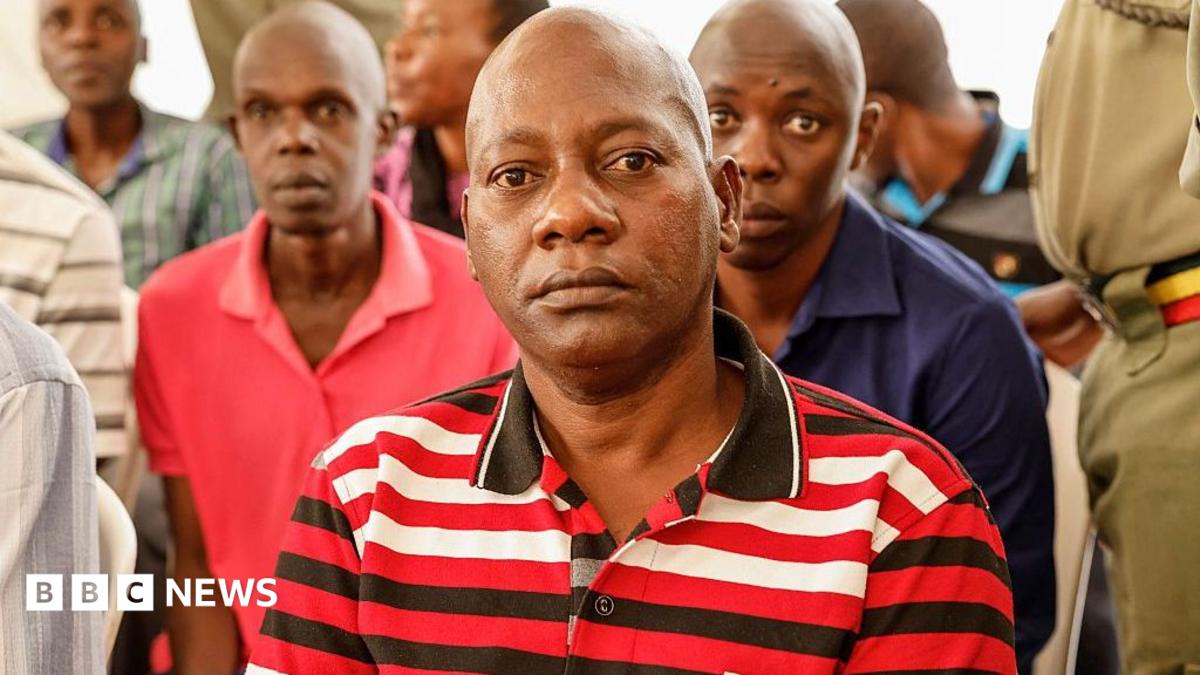
The deepening legal and humanitarian crisis surrounding Kenya's Good News International Church has escalated following fresh allegations that children connected to cult leader Paul Mackenzie continue to face forced starvation. Dan Mackenzie, the suspect's son who previously defended his father, revealed he was compelled to report his own grandmother to law enforcement after discovering young relatives were being systematically starved in custody ahead of upcoming judicial proceedings. This breakthrough testimony highlights the persistent reach of the extremist network, which authorities hold responsible for the deaths of more than 440 followers discovered in mass graves throughout the Shakahola forest in Kilifi County.
The timeline of state intervention has drawn intense scrutiny toward the administration of President William Ruto. Mackenzie was repeatedly detained and released between 2017 and 2023 despite extensive intelligence warnings detailing extremist indoctrination and severe child welfare violations. The trial, set to formally convene under charges ranging from terrorism and murder to cruelty and child torture, represents an unprecedented domestic legal test. For Nairobi, the challenge lies not only in securing prosecutorial convictions against nearly 100 co-defendants but also in proving that state intelligence and security services can dismantle deeply entrenched radical networks operating beneath the threshold of conventional counterterrorism frameworks.
Global Trade & Economic Ripples
While the tragedy in Shakahola is primarily a humanitarian and domestic security crisis, its persistence introduces material friction to Kenya's broader macro-fiscal narrative. Kenya serves as the undisputed logistical and financial hub of East Africa, anchoring regional trade corridors connecting the Port of Mombasa to Uganda, Rwanda, and the Democratic Republic of the Congo. Perceptions of persistent domestic instability, institutional oversights, and governance deficiencies risk deteriorating Kenya's standing among international credit rating agencies and foreign direct investment syndicates.
The prolonged security operations in Kilifi County have also introduced disruption to coastal commercial ecosystems, particularly the regional tourism sector and coastal agribusiness logistics. Multilateral development partners, including the World Bank and the International Monetary Fund, routinely index governance, institutional capacity, and human rights benchmarks to programmatic loan disbursements. Persistent revelations of institutional inaction undermine confidence in administrative oversight, complicating efforts by monetary authorities to stabilize the Kenyan shilling and finance structural debt obligations amidst tightening international capital markets.
Related Intelligence: France Authorizes Municipal Curfews as Domestic Security Strains Test Paris
International Reactions & Diplomatic Stances
The prolonged nature of the investigation and the emergence of secondary abuses have triggered critical feedback from international monitoring organizations and foreign diplomatic missions based in Nairobi. The United Nations Office of the High Commissioner for Human Rights (OHCHR) has repeatedly emphasized Kenya's international legal obligations regarding the protection of minors and vulnerable populations from non-state coercion and human rights violations. Multilateral rights monitors have called for an independent, uncompromised judicial process free from domestic political interference.
Western partners, notably the United States and the European Union—both significant security and counter-extremism funding partners to Kenya—have urged the state to broaden its definition of national security threats beyond cross-border regional terrorism such as Al-Shabaab. Diplomatic statements have highlighted the necessity of institutional reforms to ensure local community intelligence leads to swift federal interdiction, warning that chronic administrative lag damages bilateral governance assistance initiatives.
Strategic Outlook & Future Scenarios
The trajectory of the upcoming trial carries substantial domestic and regional implications. In the immediate term, prosecutors face the difficult operational task of preserving state evidence, securing witness protection for defecting family members, and preventing further casualties linked to Mackenzie's lingering ideological directives. A failure to execute a transparent and robust prosecution risks deepening public distrust toward national law enforcement and judicial mechanisms.
Strategically, the executive branch must navigate proposed legislative frameworks aimed at regulating religious and civic organizations without eroding constitutional protections regarding freedom of worship. Striking this equilibrium will prove critical during upcoming legislative sessions. Should the trial expose deeper complicity or negligence across state intelligence corridors, the Ruto administration may face renewed civil society pressure and heightened geopolitical scrutiny, ultimately recalibrating how sovereign risk is assessed across East Africa's leading economic anchor.
Join Our Official WhatsApp Channel
Receive live commodity alerts, policy changes, and commercial intelligence directly on WhatsApp.