
Lethal Strikes in Gaza Heighten Regional Friction and Maritime Risk
Renewed Israeli strikes across the Gaza Strip have killed at least four Palestinians, dampening near-term diplomatic breakthrough prospects and sustaining elevated geopolitical risk premiums across key Middle Eastern trade corridors.
Geopolitical & Core Developments
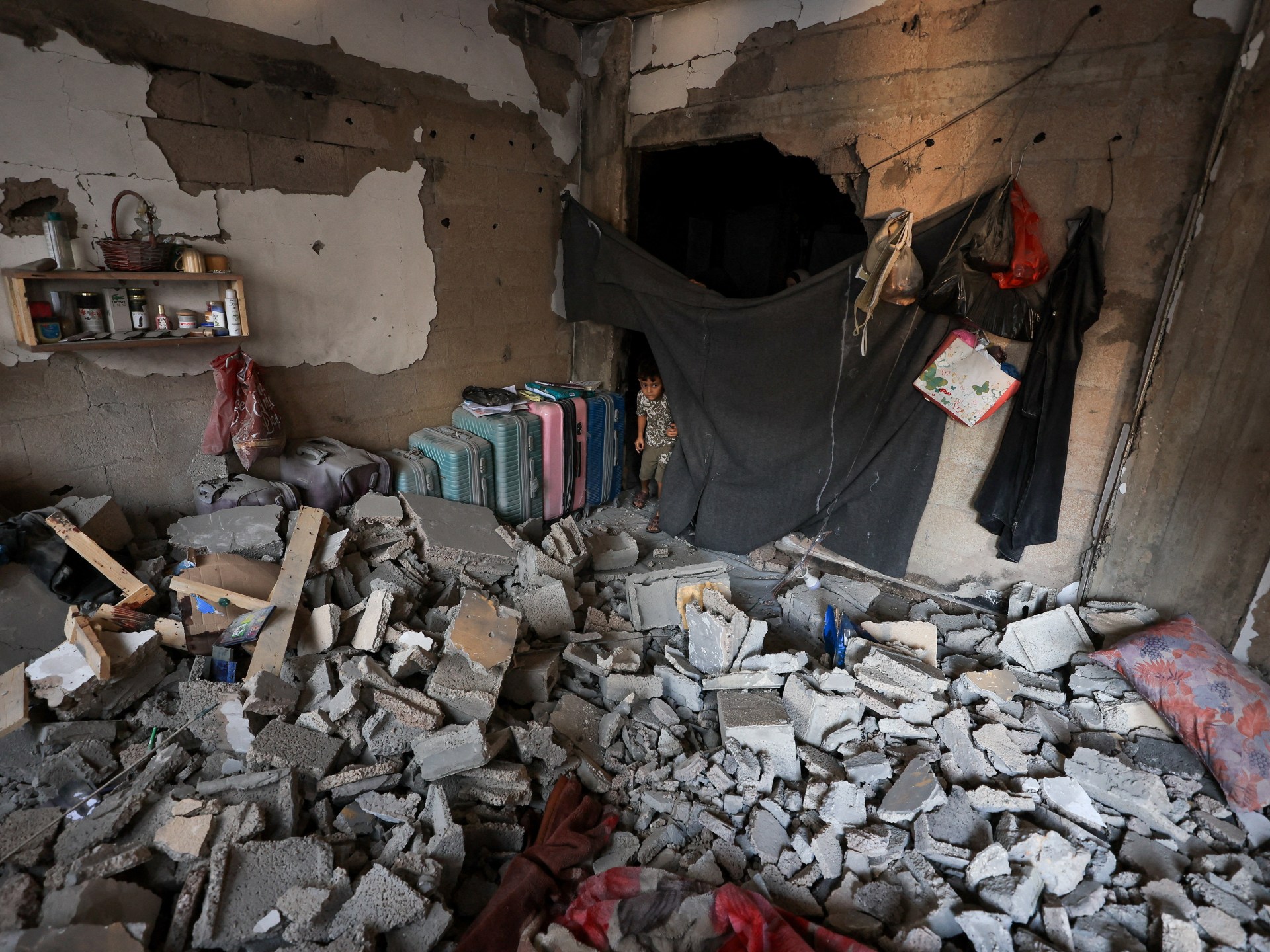
Cross-border security dynamics in the Middle East deteriorated further following targeted Israeli airstrikes and sustained gunfire across multiple sectors of the Gaza Strip, resulting in the deaths of at least four Palestinians, including a married couple and a 17-year-old youth. The incidents, reported by local health authorities and international monitoring teams, mark an extension of high-intensity operations that continue to destabilize the enclave and strain multilateral ceasefire efforts.
According to regional defense observers, the strikes took place amidst ongoing operations aimed at dismantling localized militant networks. However, the recurring civilian toll has complicated indirect negotiations mediated by regional interlocutors, notably Qatar and Egypt, alongside the United States. Tactical engagements have increasingly shifted into urban peripheries, triggering fresh population displacements and exacerbating an acute humanitarian crisis characterized by systemic shortages of shelter, potable water, and medical provisions. The tactical persistence of these operations underlines the absence of a shared security framework, keeping border regions in a state of perpetual friction.
Global Trade & Economic Ripples
While localized to the Gaza theatre, the continuity of kinetic actions continues to project volatility across broader commercial conduits in the Middle East. Global maritime logistics remain fundamentally reshaped as regional armed groups sustain asymmetric threats across the Bab al-Mandeb Strait and the southern Red Sea corridor. Freight operators continue to reroute containerized cargo around the Cape of Good Hope, baking in an additional 10 to 14 days of sailing time between Asian manufacturing hubs and European consumer markets.
This prolonged transit dislocation sustains elevated operational expenditures for maritime carriers, driven by bunker fuel consumption and compounded war-risk insurance premiums. In energy markets, benchmark crude indices, including Brent and West Texas Intermediate, retain an underlying geopolitical risk premium. Energy traders and sovereign commodity desks monitor developments closely, balancing broader macroeconomic slowdown concerns against the potential for sudden supply dislocations should localized engagements draw neighboring energy-producing states into broader confrontation.
Related Intelligence: UK Deploys RAF Typhoons to Saudi Arabia Amid Red Sea Tensions
International Reactions & Diplomatic Stances
The latest casualties have prompted renewed appeals from multilateral organizations and global powers. Officials from the United Nations reiterated calls for an immediate cessation of hostilities, stressing that sustained operations undermine international humanitarian law and forestall the distribution of emergency aid consignments. The UN Office for the Coordination of Humanitarian Affairs emphasized that prolonged operational activity within civilian corridors renders cross-sector relief logistics virtually unviable.
Diplomatic communiqués from European capitals have echoed calls for restraint, urging adherence to proportionality while balancing Israel's security requirements against the imperative to safeguard non-combatants. Regional actors, including the Arab League and the Gulf Cooperation Council, issued statements condemning the continued operational tempo, warning that protracted kinetic campaigns derail prospects for broader regional economic integration and normalize protracted regional instability.
Strategic Outlook & Future Scenarios
Looking ahead, the geopolitical trajectory remains closely tied to the viability of structured ceasefire negotiations. A primary baseline scenario anticipates continued low-to-medium-intensity kinetic operations characterized by localized air and artillery interdictions, resulting in protracted stalemate without formal de-escalation frameworks. Under this outlook, commercial shipping through the Suez Canal will remain severely depressed, consolidating elevated baseline logistics costs through the medium term.
An alternative, more volatile scenario involves a systemic regional escalation, where secondary theaters expand operational tempo, compelling international monetary and energy institutions to factor in sustained supply disruptions. Upcoming multilateral forums and United Nations Security Council sessions will test the resolve of external powers to enforce binding resolutions. For international procurement desks and global commodity markets, the ongoing impasse necessitates robust hedging strategies and diversified supply chain contingencies against persistent Middle Eastern instability.
Join Our Official WhatsApp Channel
Receive live commodity alerts, policy changes, and commercial intelligence directly on WhatsApp.