
US Consumer Confidence Plummets to 2014 Low Amid Inflationary Pressures
US consumer confidence has dropped to its lowest level since 2014, driven by surging goods and fuel costs that threaten domestic demand and global market stability ahead of midterm elections.
Geopolitical & Core Developments
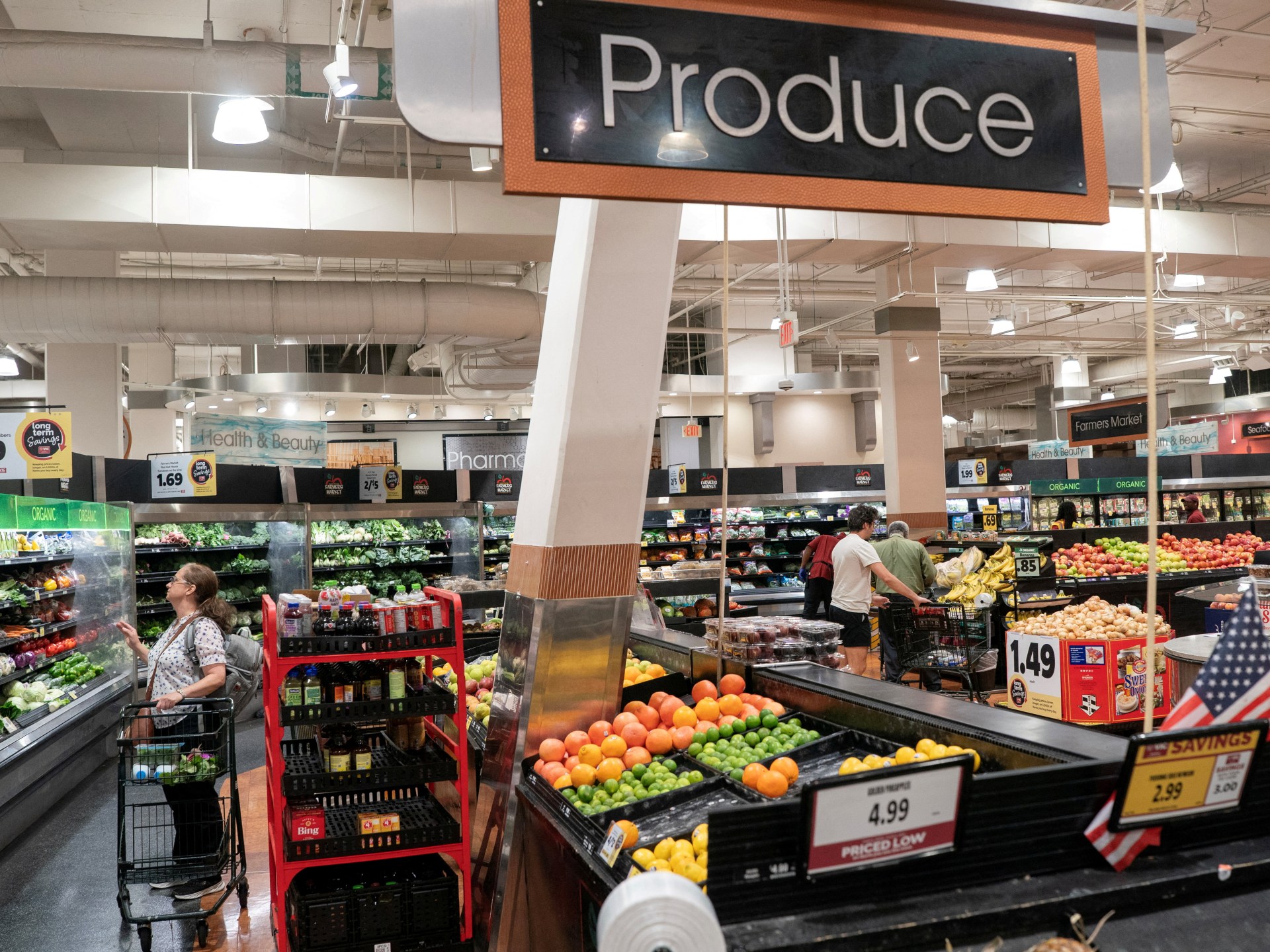
United States consumer confidence has plummeted to its lowest level since 2014, casting a long shadow over the domestic political landscape as the nation approaches high-stakes midterm elections. According to recent economic indicators, persistent inflation, driven largely by escalating retail goods and volatile fuel prices, has severely eroded household purchasing power. The sharp decline in sentiment reflects growing anxiety among American voters regarding the trajectory of the national economy. State actors and political analysts are closely monitoring these developments, as deteriorating consumer optimism frequently translates into shifting voter alignments and legislative volatility. The intersection of domestic economic strain and electoral politics highlights the delicate balance facing policymakers in Washington as they attempt to stabilize inflationary pressures without triggering a wider economic contraction.
Global Trade & Economic Ripples
The contraction in American consumer sentiment carries profound implications for global trade, commodity pricing, and international supply chains. As the United States remains a primary engine of global consumption, a sustained slowdown in domestic retail demand directly impacts export-driven economies across Asia, Europe, and Latin America. Energy markets are particularly sensitive to these shifts; fluctuating fuel demand in the world's largest economy ripples through crude oil benchmarks and refined product pricing. Furthermore, constrained consumer spending alters shipping lane utilization and container volumes, forcing international logistics providers to recalibrate capacity. Currency markets have also experienced heightened volatility, with foreign exchange traders weighing the Federal Reserve's monetary policy trajectory against softening domestic indicators, thereby influencing capital flows and emerging market debt structures.
Related Intelligence: French Student Protests Spark Security Crackdown and Economic Anxiety
International Reactions & Diplomatic Stances
Multilateral bodies and international financial institutions have expressed growing concern over the spillover effects of weakening consumer demand in advanced economies. Representatives from the International Monetary Fund and the World Bank have noted that synchronized monetary tightening, combined with stubborn inflationary pressures, increases the vulnerability of global growth forecasts. Foreign governments, particularly those reliant on exporting manufactured goods and commodities to the United States market, are reassessing their export strategies and domestic stimulus measures. Market analysts suggest that foreign central banks are increasingly wary of imported inflation and currency depreciation risks stemming from shifting capital flows. International trade partners are closely evaluating whether declining US confidence will culminate in a broader recessionary cycle, prompting diplomatic and economic policymakers to prepare contingency frameworks for trade negotiations and multilateral support mechanisms.
Strategic Outlook & Future Scenarios
Looking ahead, the trajectory of US consumer confidence will serve as a critical bellwether for global macroeconomic stability through the upcoming fiscal quarters. Upcoming international economic summits, including G20 ministerial meetings and central banking symposia, are expected to focus heavily on coordinated strategies to manage inflation while safeguarding growth. Geopolitical escalation points, particularly ongoing disruptions in global energy and agricultural supply chains, remain key variables that could exacerbate price pressures and further depress consumer sentiment. If consumer spending fails to rebound following the midterm elections, policymakers may face mounting pressure to deploy targeted fiscal interventions or adjust trade policies to alleviate cost-of-living burdens. Strategic planners across multinational corporations must now navigate an increasingly uncertain operational environment defined by domestic political friction and shifting international trade dynamics.
Join Our Official WhatsApp Channel
Receive live commodity alerts, policy changes, and commercial intelligence directly on WhatsApp.