
French Student Protests Spark Security Crackdown and Economic Anxiety
Mass student protests and transport blockades across France result in over 400 arrests, raising domestic security concerns and threatening commercial supply chains in key urban economic hubs.
Geopolitical & Core Developments
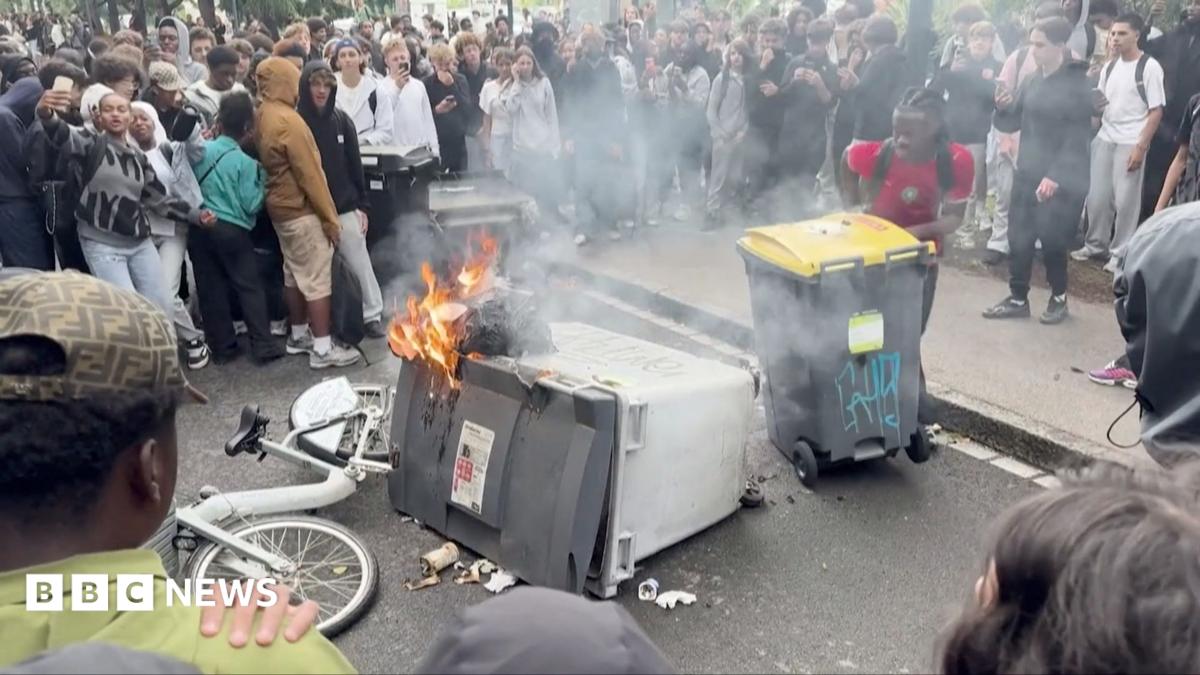
A wave of intense student-led demonstrations swept across France, resulting in the arrest of more than 400 individuals, predominantly minors, according to the country's interior ministry. The protests, marked by barricades, tire fires, and blockades at numerous educational institutions, erupted over disputed educational reforms and broader economic grievances. Law enforcement agencies deployed heavy riot control measures in major cities including Paris, Marseille, and Lyon, leading to clashes that paralyzed traffic arteries and disrupted public transport networks. State authorities have framed the crackdown as a necessary measure to maintain public order and protect critical infrastructure, while civil liberties groups and student unions condemn the heavy-handed police response.
The demonstrations reflect deep-seated domestic tensions within the eurozone's second-largest economy, challenging the administration's capacity to implement structural reforms without provoking widespread civil disobedience. Observers note that these localized disruptions carry the potential to galvanize broader labor movement participation, transforming single-issue student grievances into a generalized challenge to executive authority.
Global Trade & Economic Ripples
While the protests are primarily domestic in origin, their operational footprint has immediate consequences for commercial logistics and international trade corridors. Blockades targeting secondary roads and peripheral access routes around major logistics hubs have caused localized delays in freight forwarding and urban delivery schedules. Although major maritime ports and international airports remain operational, sustained transport disruptions threaten JIT (just-in-time) supply chains servicing domestic retail and manufacturing sectors.
Financial markets are closely monitoring the unrest for potential impacts on consumer sentiment and business investment within the eurozone. Persistent social friction risks dampening domestic consumption during a critical fiscal quarter, exerting downward pressure on the euro and amplifying broader concerns regarding European economic resilience amid ongoing inflationary pressures and tightening monetary policy.
Related Intelligence: Karachi Set to Host Pakistan's Largest Interior Ministry Service Hub
International Reactions & Diplomatic Stances
International observers, including trade delegations and diplomatic missions in Paris, have advised caution while monitoring the trajectory of the civil unrest. Multilateral bodies such as the European Commission are observing the situation closely, mindful of France's pivotal role in steering regional economic policy and legislative frameworks. Foreign currency analysts and commodity traders have factored the potential for prolonged domestic instability into their short-term risk assessments, though immediate cross-border market shocks have been contained.
Human rights organizations have issued statements urging restraint from both protesters and security forces, emphasizing the protection of minors involved in the demonstrations. Meanwhile, neighboring European governments are evaluating the potential for copycat movements among student bodies across the continent, particularly in nations facing similar cost-of-living crises and educational funding pressures.
Strategic Outlook & Future Scenarios
Looking ahead, the trajectory of the French student movement will depend heavily on the government's willingness to engage in direct negotiations with student leaders and labor representatives. Upcoming parliamentary debates and scheduled national union meetings will serve as critical barometers for potential escalation. Should the administration refuse to compromise on the contested reforms, the risk of a broader coalition between students and transport unions increases significantly, threatening more synchronized nationwide strikes.
For international businesses and commodity traders operating in the region, contingency planning remains essential. Monitoring transport worker federations and urban security updates will be vital to mitigating supply chain vulnerabilities as France navigates this acute phase of domestic political turbulence.
Join Our Official WhatsApp Channel
Receive live commodity alerts, policy changes, and commercial intelligence directly on WhatsApp.