
UN Extends Haiti Security Mandate Amid Persistent Gang Crisis
The UN has extended its security mission mandate in Haiti by six months as multinational forces struggle to contain escalating gang violence and stabilize the Caribbean nation.
Geopolitical & Core Developments
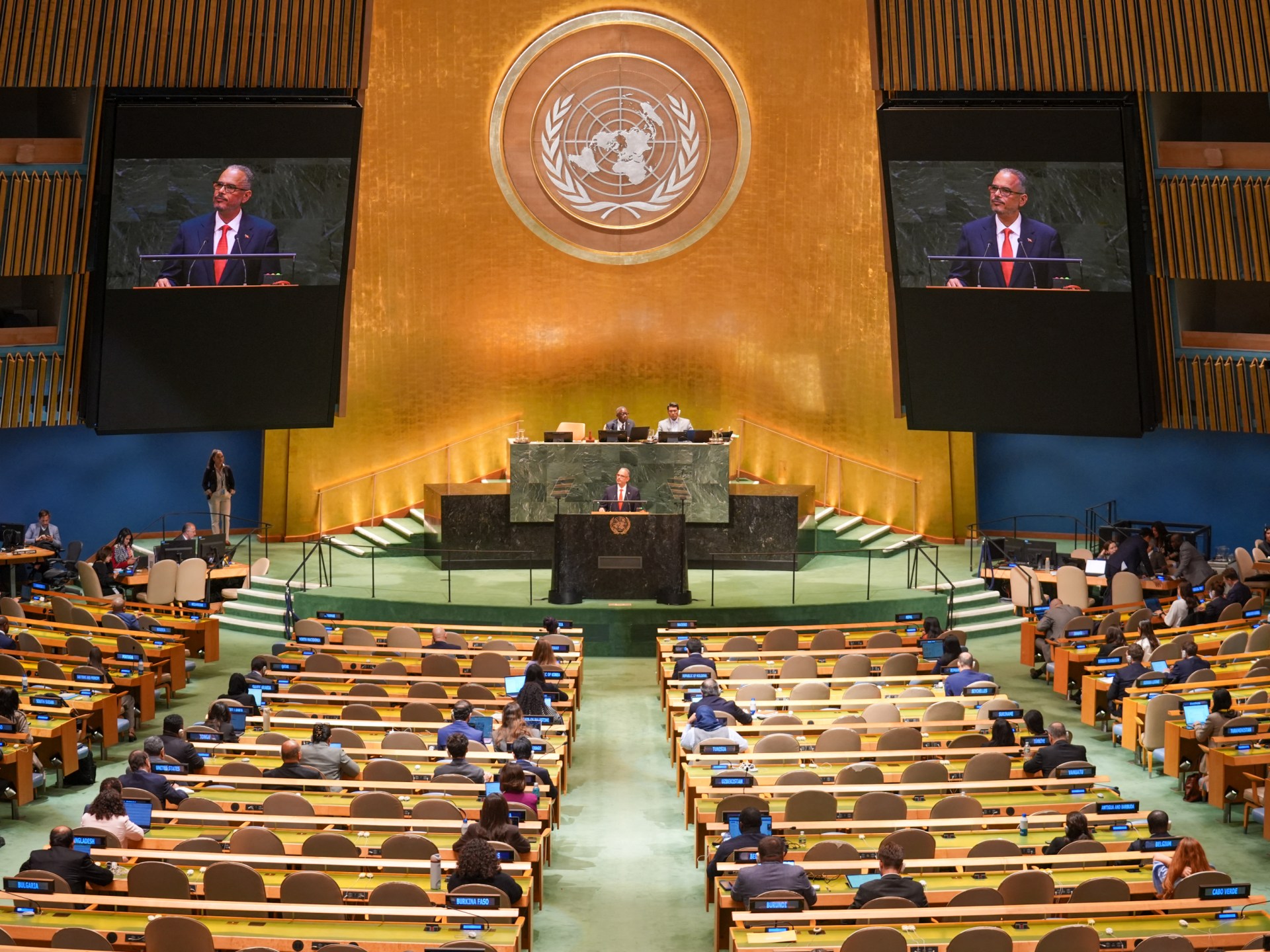
The United Nations Security Council has formally approved a six-month extension of the Multinational Security Support (MSS) mission in Haiti, underscoring the international community's deep concern over the protracted security vacuum in the Caribbean nation. Authorized initially to assist the beleaguered Haitian National Police, the Kenya-led security force has faced immense operational headwinds since its deployment. Criminal syndicates, which currently control vast swathes of the capital, Port-au-Prince, have leveraged sophisticated tactics and urban fortifications to resist state reclamation efforts.
Diplomatic efforts at the UN headquarters in New York have increasingly focused on transitioning the MSS into a formal, fully resourced United Nations peacekeeping operation to secure sustainable financing and a broader mandate. However, deep divisions among permanent Security Council members, alongside budgetary constraints and delayed deployments of pledged personnel and equipment from contributing nations, have hampered strategic execution. The humanitarian crisis has simultaneously deteriorated, with widespread displacement, acute food insecurity, and systemic human rights abuses compounding the state fragility that underpins the conflict.
Global Trade & Economic Ripples
While Haiti is not a primary global commodity producer, its protracted paralysis carries tangible economic repercussions for regional trade corridors and Caribbean basin commerce. Port-au-Prince's primary seaport and international airport have faced intermittent blockades and security shutdowns, choking off essential imports of refined petroleum, foodstuffs, and pharmaceutical supplies. This logistical friction has inflated localized inflation and increased operational risks for maritime shipping companies operating in the Windward Passage, a critical sub-regional maritime chokepoint.
Furthermore, the ongoing security crisis dampens investor confidence across the wider Caribbean Community (CARICOM), triggering increased expenditures on border security, anti-smuggling naval patrols, and migration management by neighboring states such as the Dominican Republic, the Bahamas, and the United States. Supply chains linked to light manufacturing and garment assembly within Haiti's free-trade zones remain heavily disrupted, displacing thousands of local workers and frustrating regional nearshoring initiatives designed to shorten supply chains for North American markets.
Related Intelligence: French Student Protests Spark Security Crackdown and Economic Anxiety
International Reactions & Diplomatic Stances
International responses to the mandate renewal reflect a mixture of pragmatic necessity and profound frustration. United Nations officials have repeatedly emphasized that security assistance alone cannot resolve structural deficiencies without parallel investments in governance, anti-corruption judicial reforms, and economic development. Washington and regional partners have continued to press for expanded sanctions regimes, targeting financial facilitators, arms traffickers, and political elites alleged to be bankrolling criminal factions.
Conversely, critics and human rights organizations have voiced apprehension regarding the accountability mechanisms governing the foreign security forces, citing past operational challenges and the lack of robust oversight. Neighboring Caribbean nations have urged the international donor community to disburse pledged financial contributions expeditiously, warning that funding shortfalls directly undermine the MSS mission's operational readiness and tactical mobility on the ground.
Strategic Outlook & Future Scenarios
Over the next six months, the trajectory of the security mission will largely depend on the international community's willingness to upgrade the MSS into a robust UN peacekeeping framework equipped with heavy armaments, intelligence-sharing infrastructure, and sustainable assessed contributions. Failure to secure these enhancements risks cementing a permanent stalemate, wherein criminal cartels effectively operate as parallel micro-states.
Geopolitical escalation points remain tied to upcoming electoral timelines, potential shifts in foreign policy from major donor capitals, and the risk of mass maritime migration waves toward Florida and neighboring island states. If security forces fail to retake critical infrastructure nodes, international stakeholders may be forced to contemplate more aggressive military interventions or expanded private security contracting, fundamentally reshaping regional security architecture in the Caribbean.
Join Our Official WhatsApp Channel
Receive live commodity alerts, policy changes, and commercial intelligence directly on WhatsApp.