
Iraq Navigates Fragile Security Landscape as US Forces Withdraw
Iraq marks national Sovereignty Days as US troops depart, forcing Baghdad to navigate complex security risks and protect vital energy corridors.
Geopolitical & Core Developments
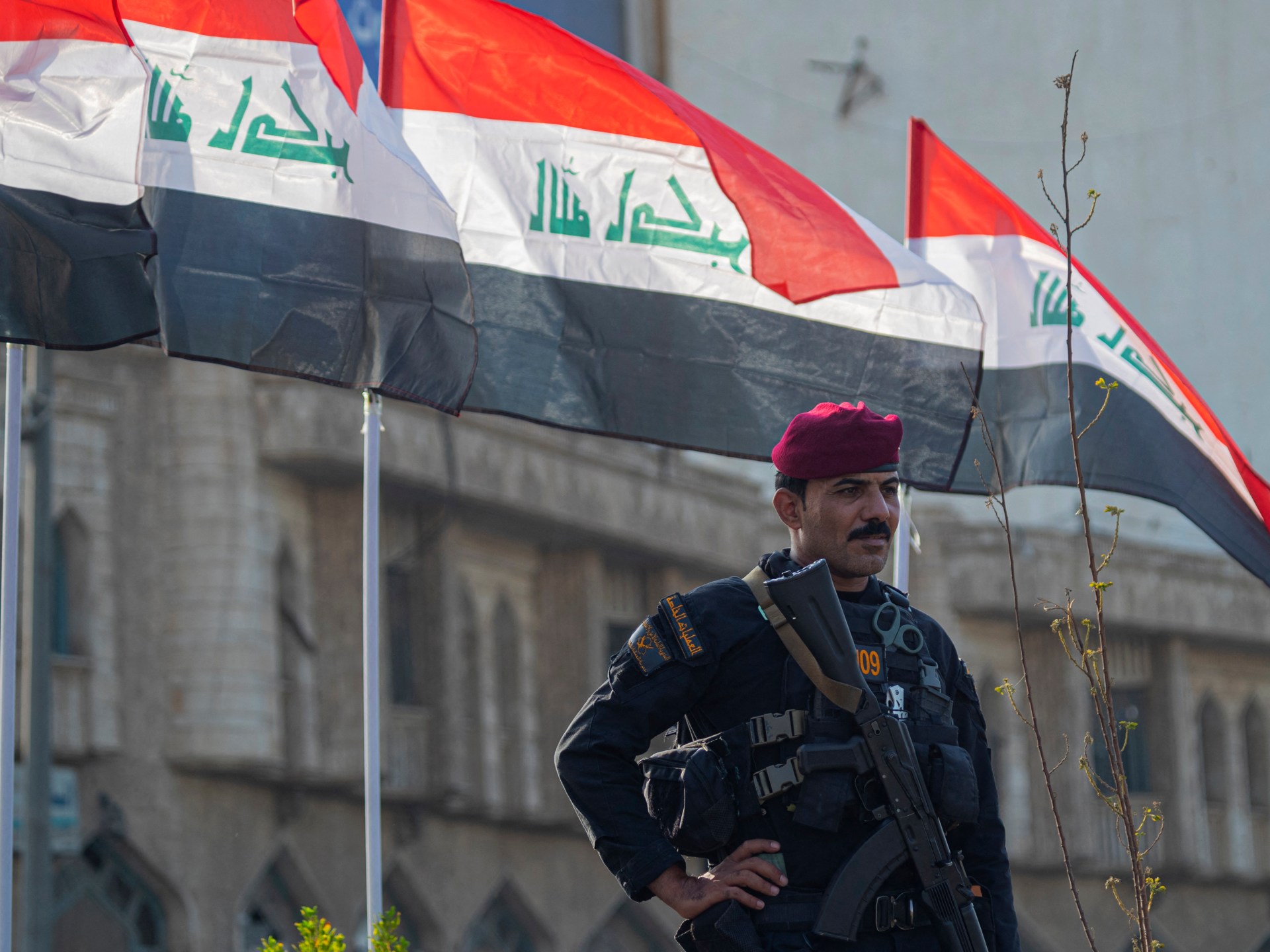
Iraq has officially entered a high-stakes geopolitical era following the departure of United States combat forces, a milestone commemorated nationwide as 'Sovereignty Days.' This transition marks the culmination of protracted bilateral negotiations and shifting strategic priorities for Washington in the Middle East. However, the exit of American military assets leaves a formidable security vacuum in a nation still grappling with asymmetric threats, fragmented paramilitary networks, and persistent regional proxy dynamics.
For Baghdad, the core challenge lies in establishing a monopoly on the use of force while maintaining internal political cohesion. The Iraqi security forces have made notable strides in counter-terrorism capabilities, yet they continue to rely heavily on advanced intelligence, logistics, and air support historically provided by the US-led coalition. As foreign boots on the ground recede, Prime Minister Mohammed Shia al-Sudani's administration must deftly manage domestic factions—particularly powerful Iran-aligned armed groups—while assuring Western partners that the state can independently secure critical infrastructure, diplomatic missions, and international trade routes.
Global Trade & Economic Ripples
Beyond domestic security, the American troop withdrawal carries profound implications for global energy markets and international commodity flows. Iraq remains the Organization of the Petroleum Exporting Countries' (OPEC) second-largest producer, pumping millions of barrels of crude daily. Any domestic instability or security degradation stemming from the US exit directly threatens global petroleum supply chains at a time when energy markets are already vulnerable to geopolitical shocks in Eastern Europe and the Red Sea corridor.
International energy majors operating within Iraq’s southern oilfields are closely monitoring the security transition. While production has remained stable thus far, investors are pricing in a persistent risk premium. Any resurgence of insurgent activity targeting pipelines, refineries, or export terminals in the Persian Gulf could trigger sudden price volatility, driving up Brent crude benchmarks and straining global shipping lanes. Furthermore, the stability of the Iraqi dinar and the country's access to international financial clearing systems remain tied to a predictable security environment, making foreign investor confidence heavily contingent on Baghdad's crisis-management capabilities.
Related Intelligence: French Student Protests Spark Security Crackdown and Economic Anxiety
International Reactions & Diplomatic Stances
Makeshift alliances and diplomatic maneuvers are already reshaping the region as foreign ministries respond to the evolving security architecture. The United Nations Assistance Mission for Iraq (UNAMI) has issued statements commending the peaceful transition of security responsibilities while emphasizing the imperative of protecting human rights and fostering inclusive governance. Meanwhile, regional powers including Iran, Saudi Arabia, and Turkey are recalibrating their diplomatic and economic engagements with Baghdad.
Western capitals have reiterated their commitment to maintaining non-combat diplomatic, economic, and advisory partnerships with Iraq, stressing that withdrawal does not equate to abandonment. Conversely, Tehran views the departure of US troops as a strategic victory, advocating for regional security frameworks managed exclusively by neighbouring states. Market analysts and risk advisory firms maintain a cautious outlook, warning that international financial institutions will condition future developmental loans and infrastructure investments on transparency and sustained civil stability.
Strategic Outlook & Future Scenarios
Looking ahead, Iraq’s trajectory will largely depend on the government's ability to deter external interference and neutralize domestic militant threats without triggering a broader internal conflict. Upcoming bilateral summits between Baghdad and Western defense officials will focus on establishing bilateral security cooperation frameworks that substitute traditional troop presence with targeted intelligence-sharing and capacity-building programs.
Geopolitical escalation points remain concentrated along the Syrian border and within disputed internal territories, where Islamic State remnants and rival militias vie for territorial influence. If Baghdad successfully navigates this delicate transitional phase, it could emerge as a stabilizing diplomatic hub for the wider Middle East. However, any miscalculation in counter-insurgency strategy or economic management risks plunging the nation back into instability, with immediate repercussions for global commodity pricing and international security.
Join Our Official WhatsApp Channel
Receive live commodity alerts, policy changes, and commercial intelligence directly on WhatsApp.