
Pakistan Cuts Fuel Prices Amid Global Market Shifts
The Pakistani government has announced a reduction in petrol and high-speed diesel prices, offering minor relief to inflation-hit consumers as global market trends shift.
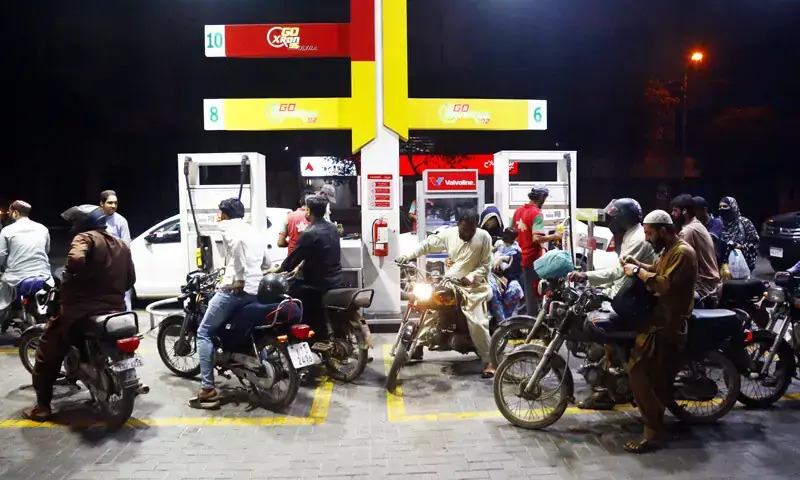
The Core Development
The Government of Pakistan, following recommendations from the Oil and Gas Regulatory Authority (OGRA), has officially announced a downward revision in the prices of key petroleum products. According to the Ministry of Finance notifications, the price of petrol has been reduced by Rs1.49 per litre, while the rate for high-speed diesel (HSD) has been slashed by Rs2.73 per litre. This bi-weekly pricing review aligns domestic energy costs with prevailing international market trends, crude oil benchmarks, and the exchange rate stability maintained over the preceding fortnight. The revised tariffs take immediate effect across all retail outlets nationwide, superseding the previous rates established at the start of the monthly cycle.
Commercial & Economic Implications
Fuel price adjustments carry profound implications for Pakistan's broader macroeconomic landscape, particularly regarding inflation and logistics costs. High-speed diesel remains the lifeblood of the country's transport, logistics, and agricultural sectors, powering freight trucks, cargo carriers, tractors, and tube wells. A reduction in diesel rates, albeit modest, directly lowers the cost of goods transportation across inter-city supply chains, potentially easing inflationary pressures on essential food items and manufactured goods. Similarly, petrol price reductions offer nominal relief to daily commuters, private vehicle owners, and urban-based service providers. However, economists note that while any downward revision is welcomed by households struggling with high utility bills and food inflation, the magnitude of the current cut may be too small to trigger a significant structural decline in the consumer price index (CPI).
Related Intelligence: Iran Downplays Role in Houthi Victories Amid Regional Tensions
Stakeholder Perspectives & Market Reactions
Business councils, transport associations, and retail sector representatives have offered mixed reactions to the latest pricing announcement. While trade bodies acknowledge the positive direction of the price adjustment, transport unions argue that cumulative historical hikes far outweigh the marginal relief provided by a sub-three-rupee decrease. Representatives from the All Pakistan Goods Transporters Association have reiterated that sustained relief requires a more comprehensive overhaul of petroleum taxation structures, noting that petroleum levy and general sales tax components still constitute a major portion of the final pump price. Meanwhile, financial analysts point out that the government is navigating a delicate balancing act between meeting strict International Monetary Fund (IMF) revenue collection targets and shielding a fatigued domestic consumer base from extreme price volatility.
Forward Outlook & Key Watchpoints
Looking ahead, market participants and economic observers will closely monitor global Brent crude trajectories and Middle Eastern geopolitical developments, which remain the primary determinants of Pakistan's import bill. OGRA's upcoming fortnightly review will serve as a crucial barometer for whether these downward trends can be sustained or if renewed global demand will push energy prices back upward. Furthermore, policymakers will assess the impact of these adjustments on tax collection targets agreed upon under ongoing fiscal stabilization programs, ensuring that any relief extended to consumers does not compromise national fiscal discipline.
Join Our Official WhatsApp Channel
Receive live commodity alerts, policy changes, and commercial intelligence directly on WhatsApp.