
West Bank Violence Escalates Geopolitical Risks for Trade and Energy
Escalating settler violence in the West Bank threatens regional stability, injecting new volatility into global energy markets and international trade routes.
Geopolitical & Core Developments
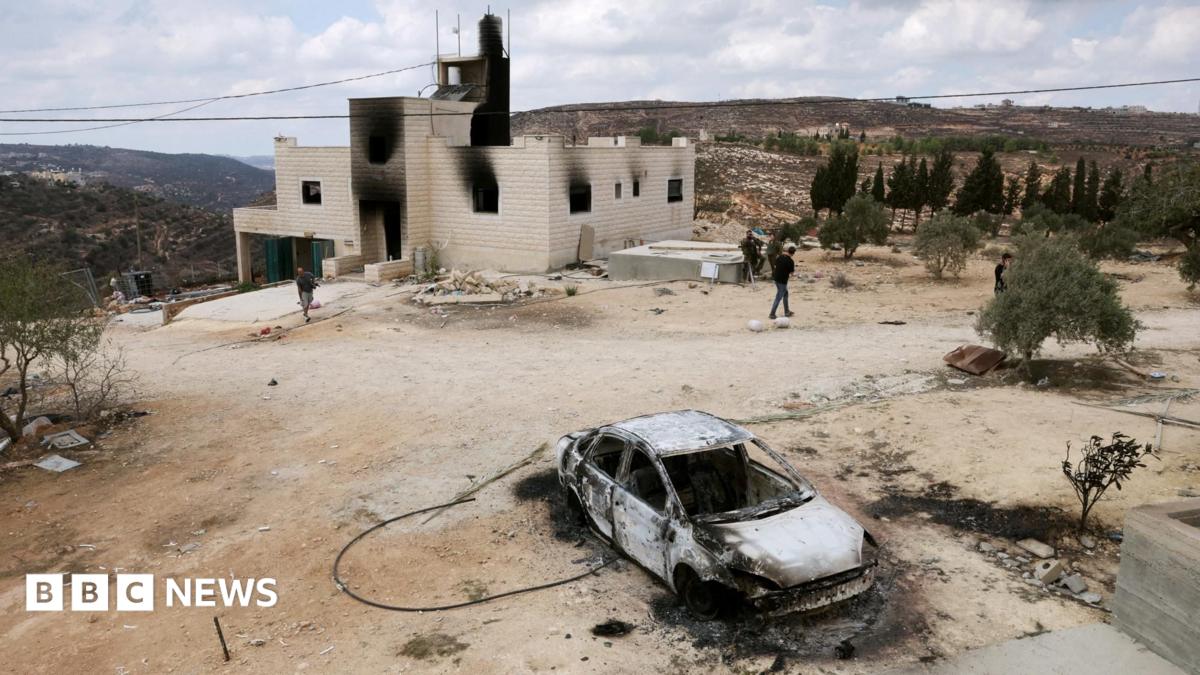
The recent escalation of violence in the West Bank, highlighted by coordinated attacks on the al-Tubasi family home and subsequent clashes with Israeli security forces, underscores the fragile security architecture of the region. As state and non-state actors maneuver within an increasingly volatile environment, the incident reflects a dangerous intensification of localized conflicts that carry profound implications for broader Middle Eastern stability. The systematic targeting of Palestinian communities and the apparent inability of security apparatuses to curb extremist factions signal a deepening governance crisis. Diplomatic channels remain severely constrained, with bilateral and multilateral peace frameworks facing unprecedented obstacles. Strategic stakes are mounting as localized flashpoints threaten to ignite wider regional confrontations, drawing in neighboring states and non-state actors whose interests diverge sharply over the future governance and security of the territories.
Global Trade & Economic Ripples
While localized to the West Bank, the intensification of Israeli-Palestinian hostilities sends immediate shockwaves through global trade networks and commodity markets. The Middle East remains a critical artery for international commerce, and persistent instability directly threatens key shipping lanes, logistics hubs, and energy infrastructure. Commodity pricing, particularly for crude oil and natural gas, remains acutely sensitive to security developments in the Levant and the broader Gulf region. Any escalation that risks broadening the conflict inevitably inflates risk premiums across global energy markets, driving up freight insurance rates and forcing carriers to contemplate costly alternative routing. Furthermore, currency values, particularly regional fiat currencies and safe-haven assets such as the US dollar and gold, experience heightened volatility as institutional investors reevaluate macroeconomic exposure to geopolitical shocks in the Middle East.
Related Intelligence: Turkish Arrests of Football Officials Send Shockwaves Through Ankara
International Reactions & Diplomatic Stances
The international community has responded to the deteriorating situation with mounting alarm, though coordinated diplomatic interventions remain elusive. Officials from the United Nations have issued strong condemnations regarding the breakdown of law and order in the West Bank, urging immediate restraint and accountability for perpetrators of violence. Major European capitals and multilateral bodies have expressed deep concern over the expansion of settler activities and the systemic displacement of Palestinian families, warning that such actions permanently undermine prospects for a sustainable political settlement. Market analysts and geopolitical risk consultancies note that while Western governments continue to urge de-escalation, the lack of enforceable diplomatic leverage limits the immediate impact of foreign appeals, leaving financial markets to price in a protracted period of regional uncertainty.
Strategic Outlook & Future Scenarios
Looking ahead, the trajectory of the West Bank conflict points toward sustained friction with significant spillover potential for international commerce and regional diplomacy. Upcoming diplomatic summits and multilateral forums will likely grapple with the deteriorating humanitarian and security landscape, though consensus on punitive measures or effective peacekeeping mechanisms remains distant. Potential sanction regimes targeting extremist elements within the region could introduce new compliance complexities for multinational corporations operating in secondary markets. As geopolitical escalation points multiply, global supply chain managers and commodity traders must prepare for persistent operational volatility, embedding robust risk-mitigation strategies to navigate an increasingly unpredictable Middle Eastern economic landscape.
Join Our Official WhatsApp Channel
Receive live commodity alerts, policy changes, and commercial intelligence directly on WhatsApp.