
Qatar and France Demand Hormuz Navigation Safeguards and Gaza Ceasefire
France and Qatar have issued a joint call demanding the restoration of unhindered navigation in the Strait of Hormuz alongside the immediate implementation of a durable Gaza ceasefire.
Geopolitical & Core Developments
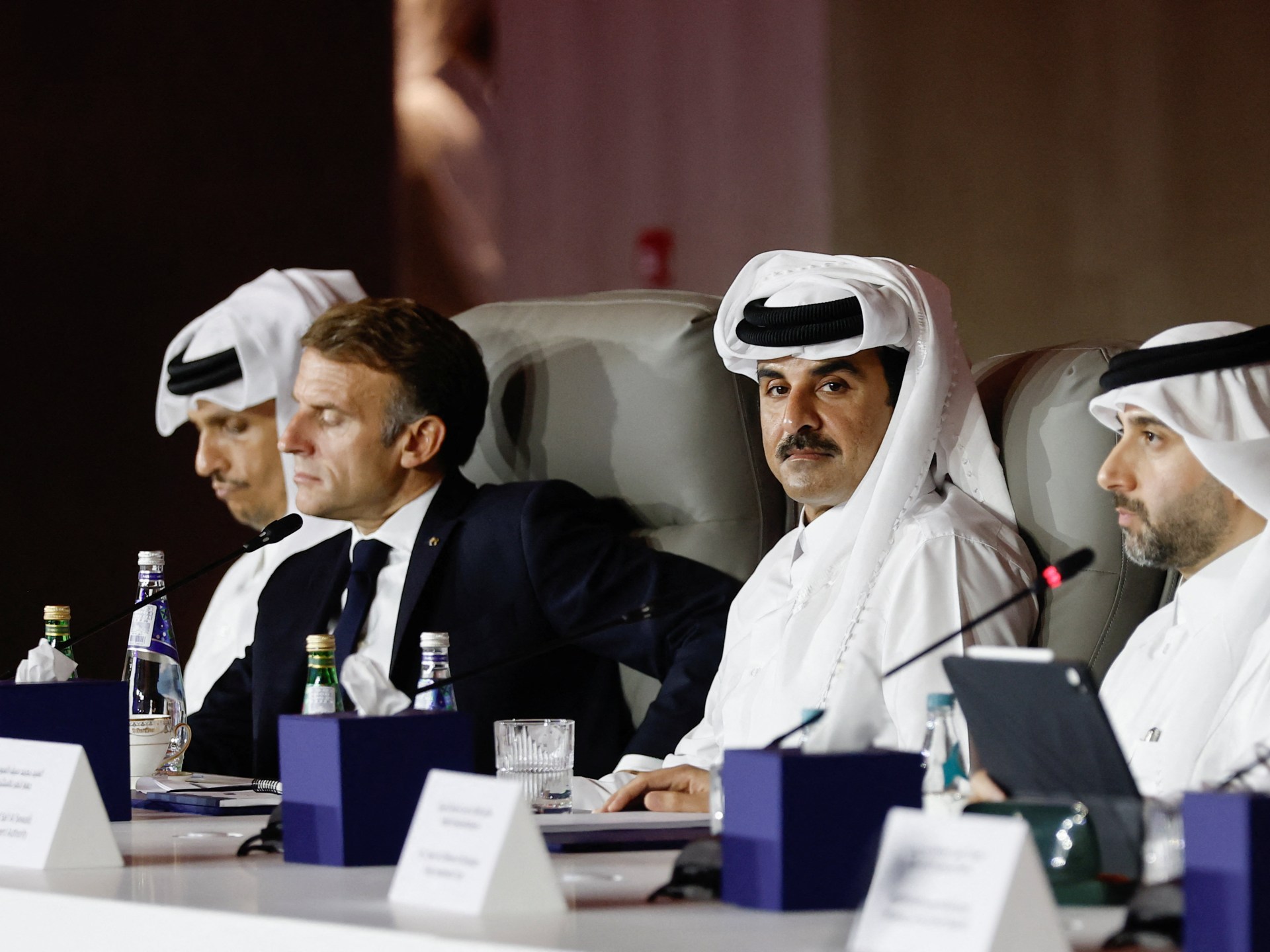
High-level diplomatic consultations between France and Qatar have culminated in a unified appeal addressing compounding crises across the Middle East. French President Emmanuel Macron and Qatari Amir Sheikh Tamim bin Hamad Al Thani reaffirmed their commitment to regional stability, focusing specifically on maritime security in the Persian Gulf and the protracted conflict in the Gaza Strip. The bilateral initiative underscores a shared assessment that regional military escalations directly threaten international waterways and global commerce.
Doha has long functioned as a primary diplomatic intermediary in indirect negotiations between Israel and Hamas, while Paris continues to project European diplomatic influence across the Levant and the Gulf. Both administrations warned that the continued expansion of regional hostilities risks institutionalizing instability across critical choke points. The joint statement explicitly called for the full implementation of United Nations resolutions aimed at achieving a sustainable ceasefire, hostage releases, and unhindered humanitarian access in Gaza, alongside guaranteed maritime passage through international waters.
Global Trade & Economic Ripples
The strategic focus on the Strait of Hormuz directly addresses acute anxieties throughout international commodity and maritime sectors. The narrow passage accounts for roughly one-fifth of global petroleum liquid consumption, serving as the primary conduit for crude oil exports from Saudi Arabia, Iraq, the United Arab Emirates, Kuwait, and Iran, as well as substantial liquefied natural gas shipments from Qatar. Any disruption or perceived vulnerability within this corridor carries immediate ramifications for global energy pricing.
Maritime logistics networks have already absorbed sharp increases in war-risk insurance premiums across Persian Gulf and Red Sea routes. Commercial operators face compounding challenges, including altered routing protocols, protracted transit times around the Cape of Good Hope, and elevated bunker fuel expenses. For European and Asian industrial markets reliant on Gulf hydrocarbons, persistent maritime frictions threaten to destabilize benchmark Brent pricing, increase input costs for petrochemical manufacturing, and feed inflationary pressures within import-dependent economies.
Related Intelligence: US Orders Personnel Out of Saudi Arabia Amid Escalating Houthi Threats
International Reactions & Diplomatic Stances
The Franco-Qatari position reflects growing consensus among key international stakeholders seeking to insulate maritime trade from regional conflict. Multilateral shipping bodies, including the International Maritime Organization and the International Chamber of Shipping, have repeatedly urged sovereign states to protect commercial seafarers from asymmetric threats, drone interdictions, and unilateral vessel boardings.
European Union foreign policy officials welcomed the coordinated push, emphasizing that the security of international maritime arteries constitutes a fundamental pillar of global trade law. Meanwhile, Western allies continue to maintain naval task forces in adjacent waters, attempting to deter state and non-state actors from targeting merchant fleets. Analysts observe that Qatar's involvement bridges Western security priorities with regional sovereign interests, offering a credible platform for mediation that avoids overt militarization.
Strategic Outlook & Future Scenarios
The trajectory of both maritime safety in Hormuz and regional stability remains inextricably tied to the resolution of the Gaza crisis. Should mediation efforts stall, commercial shipping lines may face institutionalized risk profiles, forcing long-term restructuring of maritime supply chains between Asia, the Middle East, and Europe. Energy importing nations will likely accelerate strategic petroleum reserve contingency plans to mitigate sudden disruption risks.
Over the coming months, diplomatic focus will turn to upcoming multilateral forums and United Nations deliberations, where France and regional partners intend to push for formalized security guarantees regarding maritime transit. The baseline scenario anticipates continued high-alert postures for Gulf shipping, with market volatility closely tracking progress on diplomatic negotiations in Doha and Cairo.
Join Our Official WhatsApp Channel
Receive live commodity alerts, policy changes, and commercial intelligence directly on WhatsApp.