
Aging Leadership in Washington Threatens Policy Agility and Global Market Stability
Persistent gerontocracy within US political leadership strains strategic policy execution, introducing volatility into international trade frameworks and global commodity markets as institutional inertia stalls vital economic reforms.
Geopolitical & Core Developments
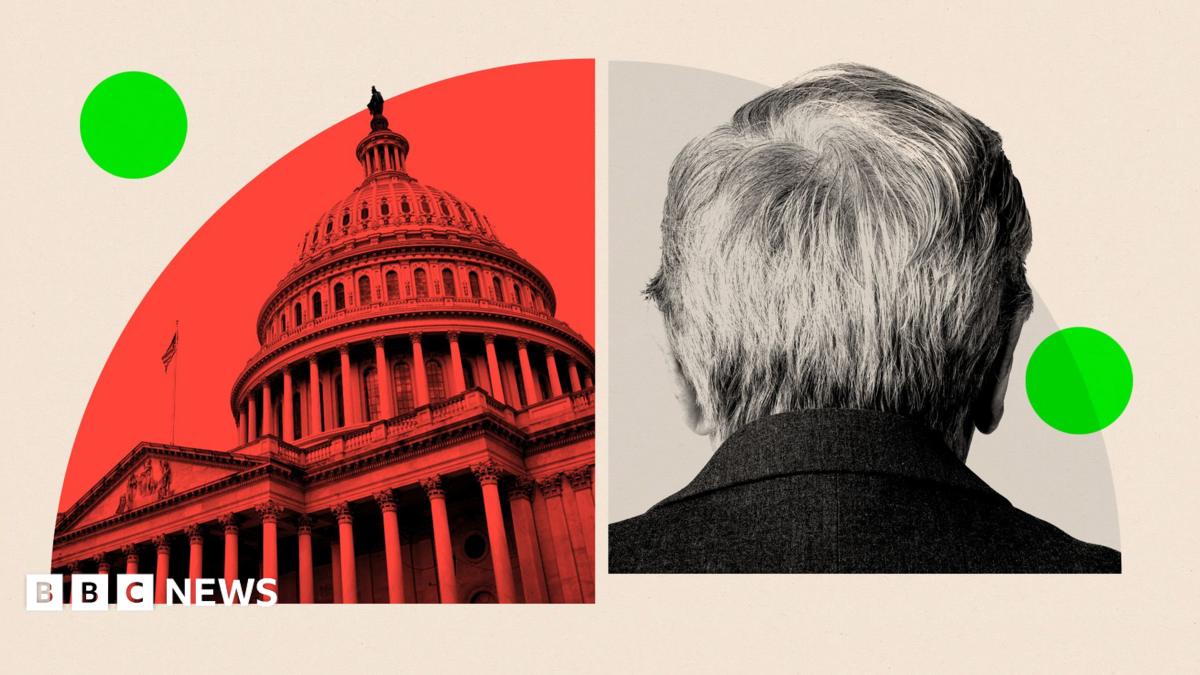
The demographic composition of the United States federal government has shifted dramatically over the past three decades, culminating in the oldest collective leadership in modern American history. The average age of members serving in the US Senate and House of Representatives has climbed steadily, with pivotal legislative committee chairs, congressional leadership, and the executive branch increasingly dominated by officials aged seventy and older. This entrenchment is not accidental; it is the calculated byproduct of structural campaign finance architectures, deeply entrenched gerrymandering, and political party apparatuses that inherently favor established seniority over generational succession.
The cost of modern political campaigns creates an insurmountable barrier to entry for younger cohorts. Long-serving incumbents command expansive donor networks, access to political action committees, and preferential institutional backing. Furthermore, the internal mechanics of the United States Congress tie real legislative authority to tenure. Seniority determines committee gavels, appropriations oversight, and foreign policy agendas, creating an environment where relinquishing power is actively disincentivized. This sustained grip on governance raises acute questions for international allies and adversaries regarding the capacity of Washington to navigate an increasingly complex, technologically driven geopolitical landscape with long-term strategic coherence.
Global Trade & Economic Ripples
The persistence of an aging political elite has tangible economic ramifications for global trade, commodity flows, and currency stability. When legislative bodies exhibit institutional inertia, critical economic policymaking lags behind technological and market shifts. Critical negotiations surrounding multilateral trade pacts, semiconductor supply chain security, and critical mineral acquisitions frequently stall amid domestic political paralysis. This absence of proactive policymaking injects systemic uncertainty into international commerce.
Global energy markets remain exceptionally sensitive to long-term regulatory guidance emerging from Washington. Shifting timelines on climate policy, strategic petroleum reserve authorizations, and cross-border energy infrastructure reflect a legislative branch struggling to reconcile industrial imperatives with contemporary geopolitical realities. Currency valuations, specifically the dominance of the US dollar as the premier global reserve currency, depend on market confidence in sustained institutional stability and fiscal discipline. Protracted debt ceiling impasses and recurring government shutdown threats, driven largely by aging political leadership entrenched in historical ideological frameworks, elevate risk premiums for sovereign debt and global commodity contracts.
Related Intelligence: Government Slashes Petrol Price by Rs2.71, Raises Diesel Rate Marginally
International Reactions & Diplomatic Stances
Foreign chancelleries across Europe, the Asia-Pacific, and emerging markets view Washington's generational deadlock with growing concern. Diplomatic cables routinely assess the continuity of American foreign policy commitments, evaluating whether aging leaders can effectively project power and execute durable multilateral agreements. European Union diplomats have privately expressed apprehension regarding the slow pace of bilateral regulatory harmonizations in artificial intelligence and digital taxation, areas requiring acute technical agility that traditional congressional structures struggle to address.
Multilateral bodies, including the International Monetary Fund and the World Bank, continuously warn against structural fiscal gridlock in advanced economies. Market analysts observe that the unpredictability surrounding US leadership succession poses sovereign risk for emerging economies reliant on foreign direct investment and stable dollar liquidity. International trade groups have repeatedly highlighted the need for expedited modernization of customs enforcement and export control frameworks, noting that legislative sluggishness directly impedes cross-border logistics.
Strategic Outlook & Future Scenarios
The medium-term trajectory indicates that demographic pressures within the US political system will reach an inevitable breaking point, forcing structural transitions with broad geopolitical repercussions. As international trade routes face disruption from non-state actors and geopolitical friction in key maritime corridors, the United States requires rapid, forward-looking strategic responses. The failure to cultivate a resilient pipeline of modern political leadership risks leaving critical policy voids that competing global powers, notably China, are actively seeking to exploit through multilateral institutions.
Upcoming electoral cycles will test the durability of the incumbent-dominated political machinery. If generational turnover remains delayed, the likelihood of abrupt, volatile policy recalibrations will rise, increasing exposure across global equity, energy, and sovereign debt markets. Strategic partners worldwide must construct contingency frameworks that account for persistent administrative delays in Washington, insulating international trade mechanisms from the domestic friction of an aging superpower.
Join Our Official WhatsApp Channel
Receive live commodity alerts, policy changes, and commercial intelligence directly on WhatsApp.