
Bush Family Defection Exposes Deepening Republican Rift Ahead of Texas Elections
Neil Bush's endorsement of a Democratic candidate highlights ideological fissures within Texas politics, carrying downstream consequences for international trade corridors and U.S. regulatory policy.
Geopolitical & Core Developments
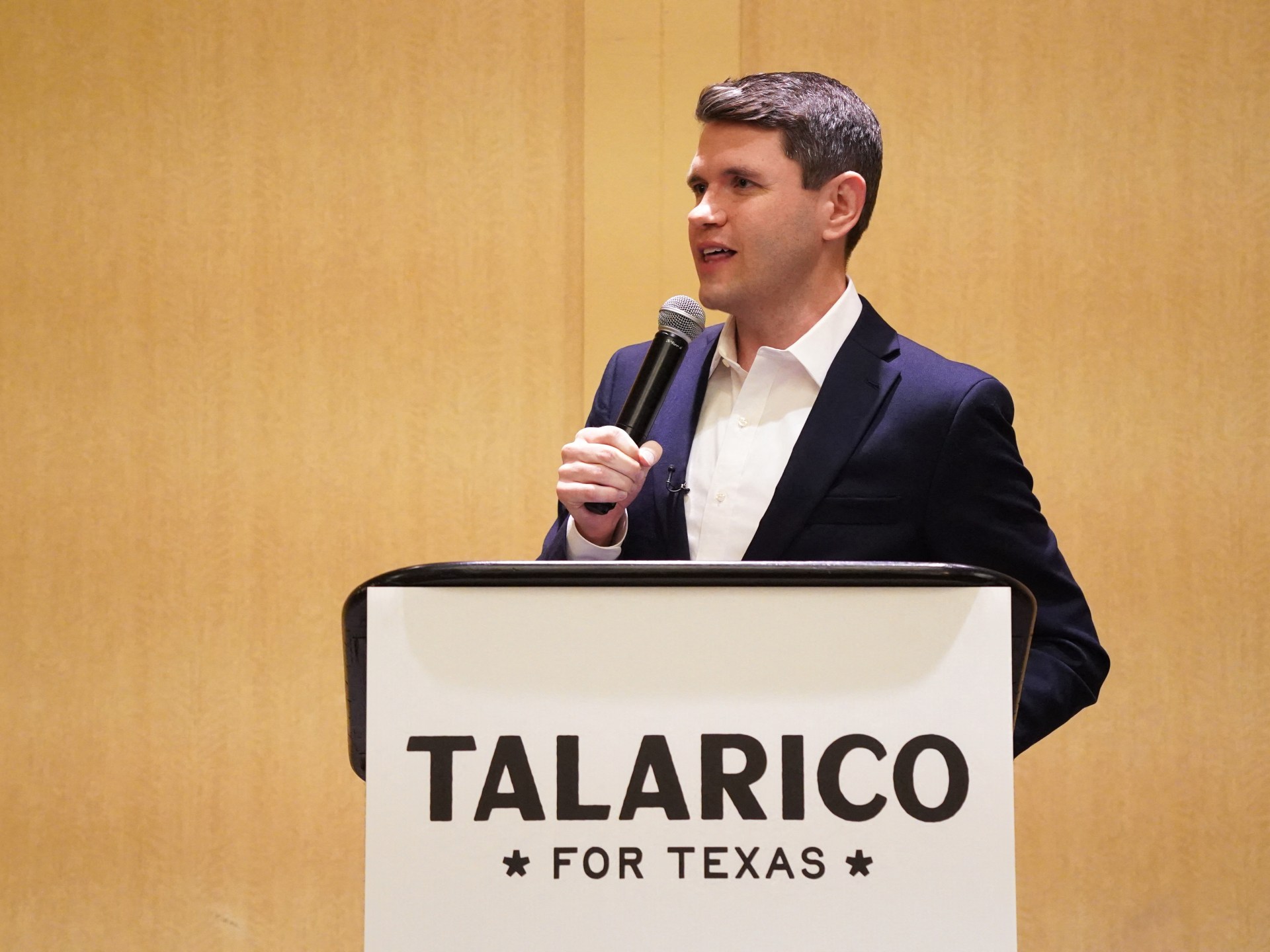
A notable political realignment surfaced in the United States as Neil Bush, brother of former President George W. Bush and son of former President George H.W. Bush, confirmed his endorsement of Democratic candidate James Talarico in Texas. The move underscores an accelerating schism within the Republican Party, pitting traditional establishment figures against hardline populist factions represented by figures such as Texas Attorney General Ken Paxton.
Texas serves as the primary linchpin of American commercial power, hosting critical energy extraction hubs, the nation's busiest deepwater export terminals, and extensive land-border trade networks with Mexico. For decades, the Bush political dynasty defined the state's conservative orthodoxies, prioritizing multilateral free trade, international security alliances, and institutional stability. Bush's decision to break party ranks reflects deepening unease among legacy conservatives over the state's populist trajectory, signaling potential volatility in an electoral battleground whose domestic policies ripple across North American governance.
Global Trade & Economic Ripples
While state legislative races are primarily domestic, Texas's outsized economic weight renders its political stability an issue of international significance. The state represents the eighth-largest economy globally by GDP, functioning as the premier conduit for liquefied natural gas (LNG) shipments to Europe and Asia via Gulf Coast infrastructure. Institutional friction or regulatory unpredictability within Texas state authorities directly influences cross-border logistics and energy investment.
Heightened political discord within the state apparatus introduces uncertainty for multinational corporations operating across the energy transition corridor. Ongoing battles between establishment business interests and populist regulatory authorities have previously impacted infrastructure funding, municipal bond ratings, and cross-border commercial transport alongside the Texas-Mexico frontier. A sustained ideological divide threatens to disrupt the predictability of regulatory frameworks governing crude oil logistics, petrochemical refining, and international nearshoring manufacturing networks established under the United States-Mexico-Canada Agreement (USMCA).
Related Intelligence: Aging Leadership in Washington Threatens Policy Agility and Global Market Stability
International Reactions & Diplomatic Stances
International market observers and regional diplomatic stakeholders are monitoring developments closely. While foreign governments typically refrain from commenting on sub-national electoral politics, trade analysts across North America view the internal fracturing of the Texas Republican base as a barometer for broader American foreign policy stability. Sovereign energy buyers in Tokyo, Seoul, and across the European Union maintain long-term supply contracts tied directly to Gulf Coast hydrocarbon terminals, making local regulatory consistency an issue of strategic concern.
Financial rating agencies and institutional investors have similarly expressed caution regarding political intervention in corporate operations, particularly measures targeting major Wall Street asset managers over environmental, social, and governance (ESG) standards. A potential moderation of state-level policy, or continued intra-party gridlock, could recalibrate how international capital allocates funding into Texas energy grids and industrial export facilities.
Strategic Outlook & Future Scenarios
The trajectory of Texas politics over the coming electoral cycles will test whether traditional conservative networks can retain leverage against entrenched populist movements. If intra-party defections gain momentum, they could catalyze competitive general elections across traditionally secure districts, altering the composition of state oversight bodies responsible for commerce, water resources, and transport.
In the medium term, sustained political contestation could lead to divergent policy approaches regarding cross-border commerce with Mexico, potentially tempering aggressive unilateral enforcement actions that have previously disrupted bilateral logistics chains. Conversely, an entrenched populist victory would likely solidify aggressive state-level litigation against federal trade, energy, and environmental standards, perpetuating an era of legal and commercial uncertainty for multinational energy operators and global commodity markets reliant on Gulf Coast stability.
Join Our Official WhatsApp Channel
Receive live commodity alerts, policy changes, and commercial intelligence directly on WhatsApp.