
US Bomber Withdrawal from UK Base Triggers Global Market and Security Anxiety
The abrupt US withdrawal of B-1 bombers from RAF Fairford following a security breach raises serious international stability concerns and elevates geopolitical risk premiums for developing economies.
The Core Development
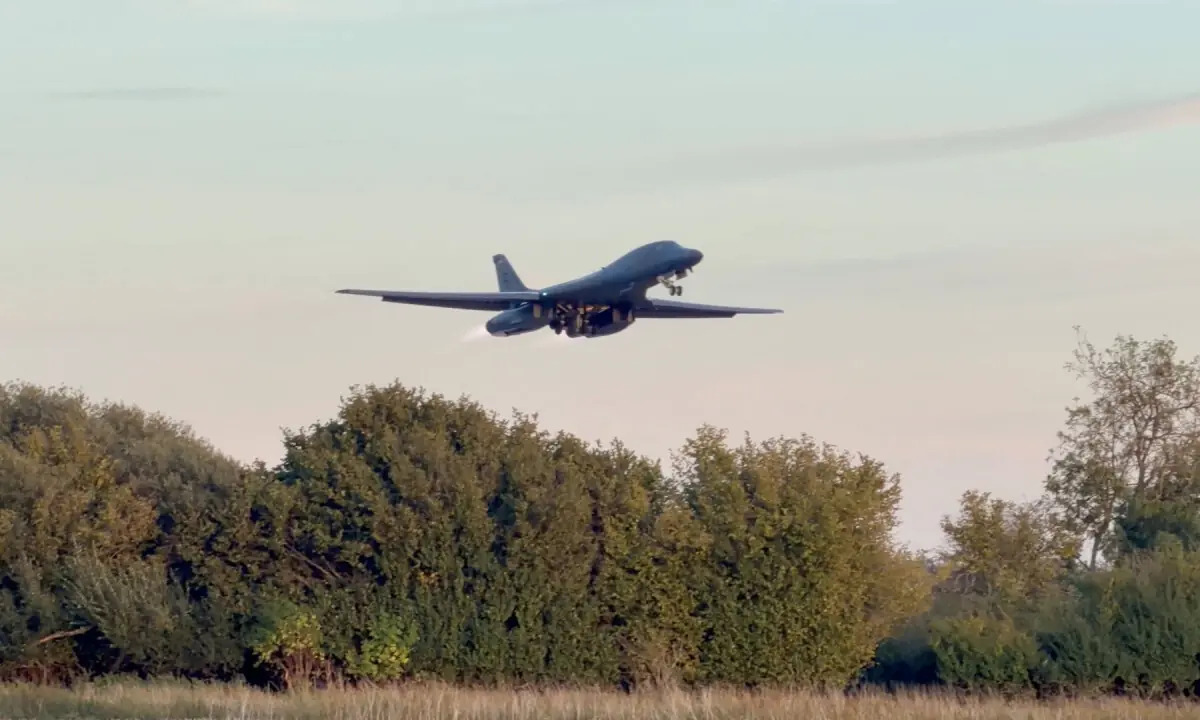
The United States military has confirmed the complete withdrawal of all B-1 strategic bomber aircraft from the British Royal Air Force base at Fairford in southwest England. This tactical redeployment follows an alarming security incident on September 27, when local law enforcement launched a high-level counter-terrorism probe. The response was triggered after a local farmer reported a group of men operating several vans in highly suspicious circumstances around the perimeter of the installation.
The breach prompted immediate emergency protocols, forcing the evacuation of 85 residential homes situated in the immediate vicinity of the airbase. RAF Fairford holds significant strategic importance, having served as a critical launchpad for United States Air Force strikes during operations involving Iran. Subsequent forensic investigations by British counter-terrorism units revealed no conventional explosives within the inspected vehicles, though authorities confirmed the recovery of a significant quantity of petrol, intensifying concerns regarding potential sabotage or reconnaissance operations by hostile non-state actors.
While the British government has publicly insisted that the facility remains entirely secure, the unilateral decision by Washington to pull its high-value bomber fleet underscores deep-seated anxieties regarding force protection in foreign theaters. The incident exposes critical vulnerabilities in perimeter defense infrastructure at allied installations, forcing a comprehensive reassessment of security protocols across European deployment sites.
Commercial & Economic Implications
For emerging trade-reliant economies such as Pakistan, geopolitical realignments and heightened military tensions in the Middle East and Europe carry direct economic consequences. Fluctuations in Western defense postures directly influence international crude oil benchmarks and maritime freight insurance rates. Any escalation in geopolitical friction or perceived vulnerability in critical Western military infrastructure immediately ripples through global commodity markets, driving up energy import bills for developing nations.
Wholesale distribution networks and retail trade sectors in Pakistan remain acutely sensitive to global supply chain disruptions caused by military escalations. Increased security postures and the reallocation of strategic assets can bottleneck maritime corridors and inflate logistical overheads. Consequently, domestic inflationary pressures are exacerbated, squeezing profit margins for industrial manufacturers and retail traders who rely on stable international shipping lanes and predictable commodity pricing.
Stakeholder Perspectives & Market Reactions
International market analysts and defense economists have expressed apprehension regarding the broader implications of the Fairford incident. Major trade associations and chambers of commerce in South Asia are closely monitoring sovereign risk indicators, warning that lingering instability in Western defense hubs could dampen foreign investor confidence.
Legal and security experts have raised critical questions regarding jurisdictional cooperation and intelligence sharing between British authorities and US military commands. Meanwhile, official statements from Whitehall maintain that domestic counter-terrorism frameworks are robust enough to handle localized threats, yet financial markets continue to price in a higher risk premium for international operations amid growing volatility.
Forward Outlook & Key Watchpoints
As the investigation into the September 27 security breach progresses, market participants and policy planners must monitor several critical indicators. Key watchpoints include potential updates on bilateral defense agreements between Washington and London, future decisions regarding the re-stationing of strategic bomber assets in Europe, and any shifts in global oil pricing trends.
Policy enforcement agencies across allied nations are expected to mandate stricter perimeter security audits, which could introduce regulatory compliance delays for defense contractors and international transport firms. For businesses operating in import-dependent markets, maintaining adequate inventory buffers and hedging against energy price volatility will remain essential risk-mitigation strategies in the coming quarters.
Join Our Official WhatsApp Channel
Receive live commodity alerts, policy changes, and commercial intelligence directly on WhatsApp.