
Flydubai Foiled Plot Elevates Aviation and Middle East Security Concerns
A foiled suicide attack plot by a Flydubai co-pilot targeting Tel Aviv exposes critical aviation security vulnerabilities and heightens geopolitical tensions across the Middle East.
Geopolitical & Core Developments
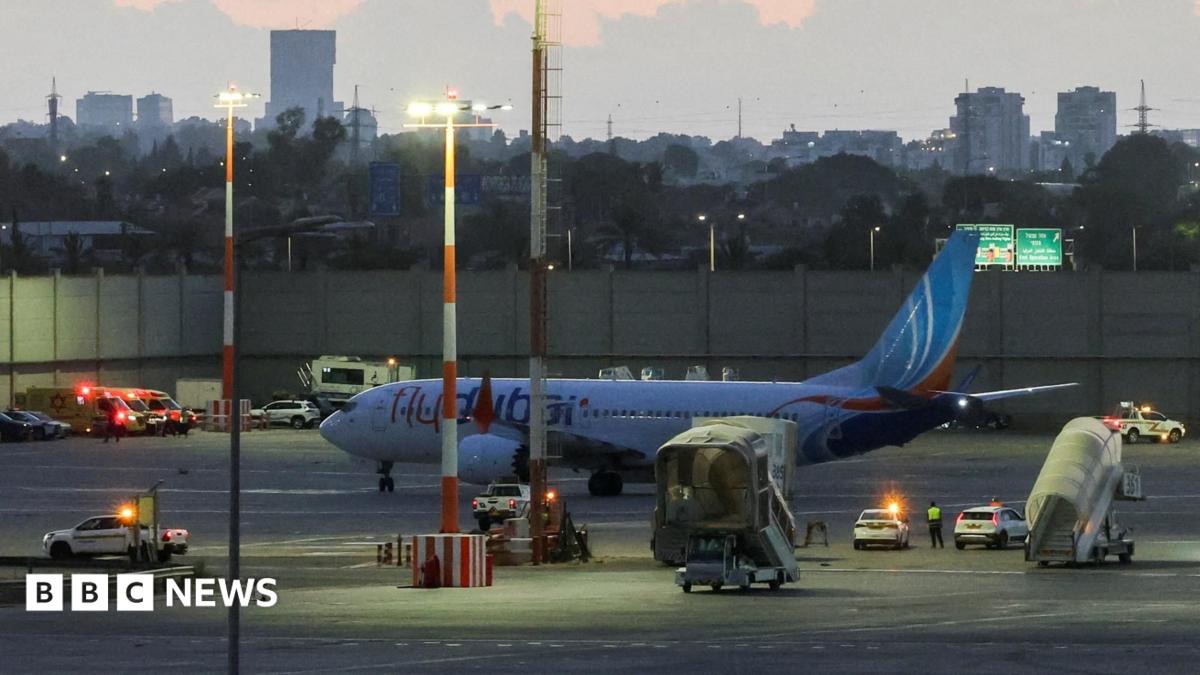
Recent intelligence reports have revealed that an Omani national serving as a co-pilot for Flydubai meticulously planned a lone-wolf suicide attack intended to crash a commercial airliner into Tel Aviv's Ben Gurion Airport or a prominent metropolitan building. The thwarted operation, uncovered through coordinated counter-terrorism intelligence sharing, highlights the persistent threat of radicalized insiders within critical transportation infrastructure. Security agencies across the Persian Gulf and the Levant have intensified scrutiny over airline recruitment and psychological vetting processes. The incident exposes the persistent vulnerabilities that state and non-state actors exploit, transforming commercial passenger aircraft into potential vectors for catastrophic terror. Diplomatic channels between Oman, the United Arab Emirates, and Israel are currently engaged in delicate intelligence-sharing dialogues to ascertain the full extent of the operative's radicalization network and any potential external handlers.
Global Trade & Economic Ripples
Beyond the immediate human and security implications, this thwarted attack sends severe shockwaves through global commercial aviation, international tourism, and regional logistics. Flydubai, alongside neighboring carriers operating crucial Eurasian and Middle Eastern transit hubs, faces immediate pressure to overhaul internal security protocols and pilot screening mechanisms. Industry analysts project that heightened security mandates will translate into increased operational overheads, potentially driving up air freight and passenger ticket pricing across key regional corridors. Insurance underwriters are already re-evaluating risk premiums for carriers operating flights into contested or high-threat airspace in the Eastern Mediterranean. Furthermore, any sustained security scares in aviation hubs like Dubai could temporarily disrupt vital supply chains relying on belly-cargo capacity for high-value electronics, pharmaceuticals, and perishable commodities moving between Asia, Europe, and the Middle East.
Related Intelligence: Libyan Educational Crisis Threatens National Stability and Energy Supply Chains
International Reactions & Diplomatic Stances
Official responses from multilateral bodies and national governments emphasize the urgent necessity for enhanced international cooperation in aviation security. The International Civil Aviation Organization (ICAO) has called for an emergency review of insider-threat mitigation guidelines across all member states. Israeli transport and security officials expressed grave concern over the sophistication of the averted plot, reiterating demands for absolute vigilance regarding incoming international flights. Meanwhile, authorities in Muscat and Dubai have pledged absolute transparency and cooperation, emphasizing that the individual acted as an isolated extremist rather than part of a broader institutional conspiracy. Market analysts and geopolitical risk consultancies note that while immediate diplomatic fallout has been contained, investor confidence in regional transport infrastructure faces a temporary dampening effect.
Strategic Outlook & Future Scenarios
As intelligence agencies continue to dissect the digital footprint and travel history of the suspect, the incident is expected to catalyze sweeping regulatory reforms in aviation security protocols worldwide. Upcoming international transport summits will likely prioritize mandatory psychological evaluations, continuous background monitoring, and stricter biometric access controls for flight deck crews. Geopolitically, the event serves as a stark reminder of the fragile security architecture underpinning Middle Eastern normalization and commercial integration. Future escalation points will depend heavily on the thoroughness of the ongoing joint investigations and whether additional sleeper cells or sympathizers are identified within regional transport networks. Policymakers must balance the implementation of rigorous counter-terrorism measures with the imperative of maintaining seamless global mobility and trade flows.
Join Our Official WhatsApp Channel
Receive live commodity alerts, policy changes, and commercial intelligence directly on WhatsApp.