
RAF Fairford Bomber Withdrawal Sparks Security and Strategic Concerns
The abrupt withdrawal of US bombers from RAF Fairford following security threats highlights growing vulnerabilities in European defense infrastructure and NATO operational readiness.
Geopolitical & Core Developments
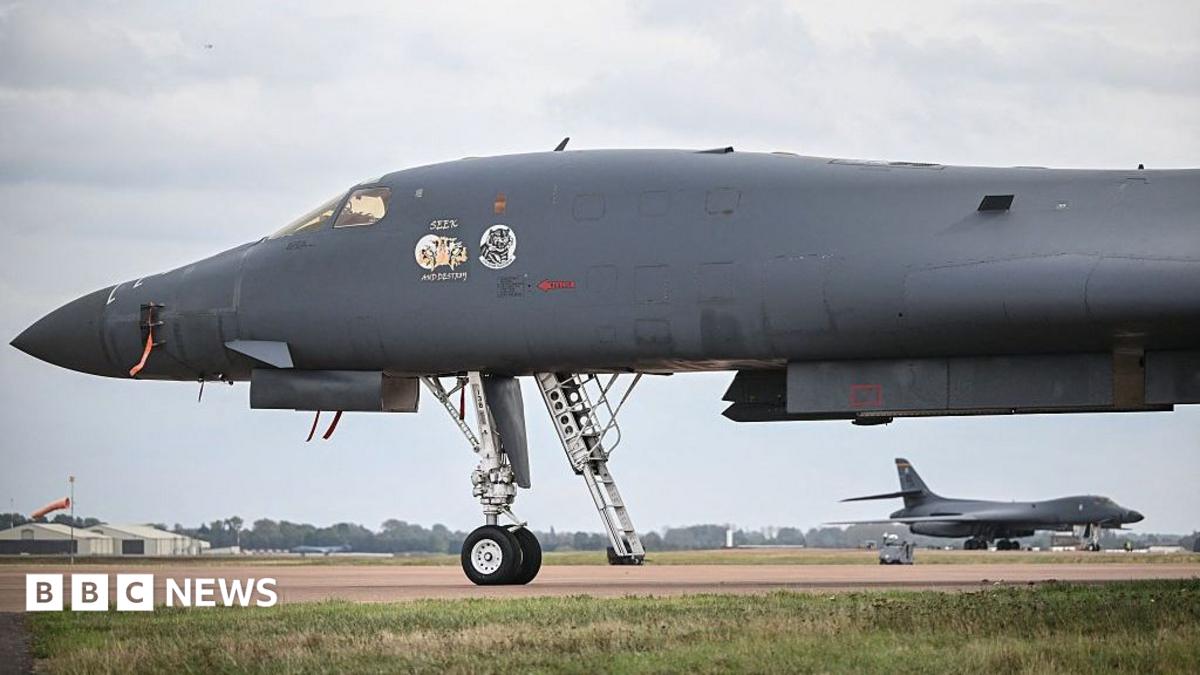
The sudden withdrawal of strategic United States Air Force bombers from Royal Air Force Base Fairford in Gloucestershire has ignited intense scrutiny over European defense architecture and regional threat levels. US media reports confirmed that the aircraft were relocated on Sunday following a specific security incident near the installation last week. While Number 10 Downing Street has steadfastly insisted that the base remains entirely secure and that routine operations continue, the maneuver underscores a precarious security environment across Western Europe. RAF Fairford serves as a critical forward operating location for US strategic assets, facilitating rapid-response capabilities and joint training exercises with NATO allies. The abrupt repositioning of high-value military hardware points to an intelligence-driven calculus, suggesting that Western commands are adopting a heightened defensive posture amidst escalating regional friction points and asymmetric threats targeting critical military nodes.
Global Trade & Economic Ripples
While the relocation of bombers from a domestic UK base does not directly disrupt immediate commercial shipping lanes or localized energy extraction, the broader implications for global commodity markets and defense supply chains are profound. Heightened military readiness and perceived geopolitical instability invariably introduce risk premiums into international trade, particularly within the aerospace, defense technology, and maritime logistics sectors. Global energy markets, already sensitive to European geopolitical tensions, reacted with cautious recalibration as traders assessed the potential for broader security escalations. Furthermore, increased defense spending and infrastructure hardening across NATO member states will likely reallocate fiscal resources, impacting sovereign bond yields and currency valuations across the Sterling and Euro zones. Supply chains linked to advanced military equipment maintenance face immediate bottlenecks as security protocols at key strategic installations are indefinitely tightened.
Related Intelligence: Libyan Educational Crisis Threatens National Stability and Energy Supply Chains
International Reactions & Diplomatic Stances
Official responses from government spokespersons and multilateral bodies have emphasized alliance solidarity while carefully avoiding specific commentary on classified intelligence assessments. UK defense officials reiterated that Downing Street maintains absolute confidence in the security protocols governing joint UK-US military facilities. Meanwhile, diplomatic circles in Brussels and Washington have downplayed the operational impact, framing the redeployment as a prudent, temporary measure designed to safeguard personnel and assets. However, independent defense analysts and international relations experts suggest that the incident exposes inherent vulnerabilities in relying on centralized forward bases. Market analysts note that while official reassurances have successfully dampened immediate panic, institutional investors remain vigilant regarding the potential for protracted geopolitical standoffs to destabilize broader economic indicators.
Strategic Outlook & Future Scenarios
Looking ahead, the incident at RAF Fairford is expected to accelerate strategic reviews concerning the dispersion and hardening of NATO's tactical and strategic assets. Upcoming defense summits and ministerial meetings will likely prioritize enhanced perimeter security, cyber-defense integration, and the decentralization of bomber task force operations to mitigate single-point vulnerabilities. If threat levels persist, allied military planners may accelerate the diversification of deployment hubs across Eastern and Northern Europe, altering long-term logistical footprints. For international markets, the ongoing recalibration of Western defense posture signals a prolonged era of heightened geopolitical risk, necessitating robust risk-management frameworks across multinational corporations operating in sensitive sectors.
Join Our Official WhatsApp Channel
Receive live commodity alerts, policy changes, and commercial intelligence directly on WhatsApp.