
World Medical Association Urged to Secure Release of Detained Palestinian Medics Amid Growing Humanitarian Crisis
International medical bodies face escalating pressure to intervene as the detention of Palestinian medics highlights severe risks to global humanitarian protections and regional stability.
Geopolitical & Core Developments
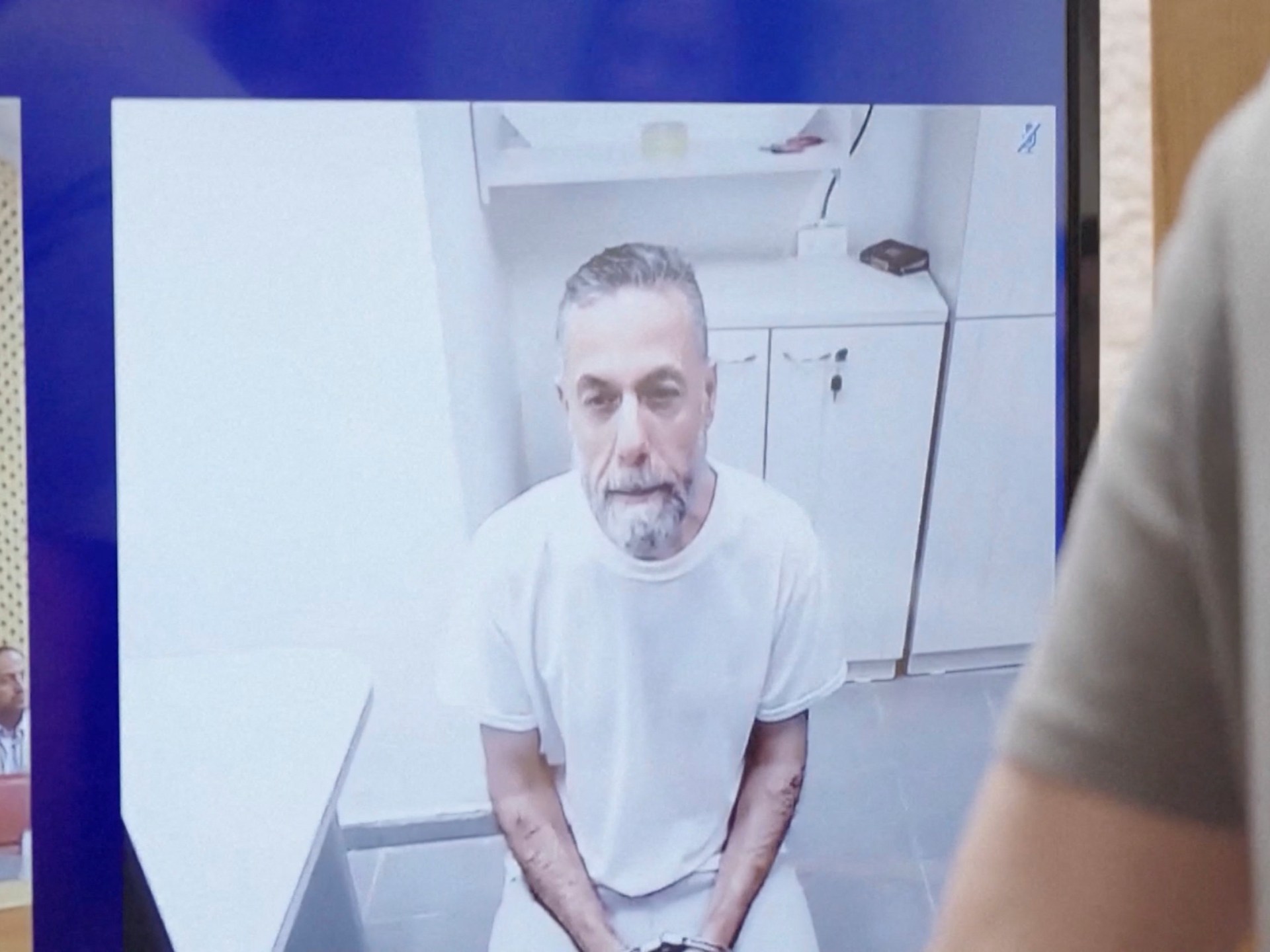
The ongoing conflict in the Middle East has intensified scrutiny over the protection of non-combatants, focusing sharply on the safety and legal status of healthcare professionals operating in active combat zones. Recent reports highlighting the arbitrary detention of Palestinian medics by military forces have triggered widespread condemnation from international humanitarian organizations. The World Medical Association (WMA) and its constituent national bodies face an unprecedented test of their institutional mandates to uphold the Geneva Conventions and international humanitarian law. State actors involved in the conflict maintain that security operations necessitate stringent vetting of all personnel, yet international legal experts argue that the systematic targeting and detention of medical staff violate established global norms. This friction between sovereign security imperatives and universal humanitarian obligations has created a diplomatic stalemate, complicating ongoing efforts by international observers to negotiate safe corridors for medical personnel and critical supplies.
Global Trade & Economic Ripples
While the immediate crisis centers on human rights and medical ethics, the broader geopolitical instability generated by these events reverberates through global commodity markets and commercial shipping lanes. Prolonged conflict and the erosion of international legal norms in the region contribute to heightened risk premiums across Middle Eastern energy corridors. Shippers navigating the Eastern Mediterranean and adjacent transit chokepoints face escalating insurance costs and potential route diversions, adding friction to global supply chains. Furthermore, persistent humanitarian crises in the region weigh heavily on investor sentiment, causing intermittent volatility in currency values and commodities trading. Multinational corporations operating in the broader Middle East are increasingly forced to reassess their operational security frameworks, anticipating potential regulatory shifts and secondary economic sanctions that could impact trade flows between Europe, Asia, and the Gulf states.
Related Intelligence: Flydubai Foiled Plot Elevates Aviation and Middle East Security Concerns
International Reactions & Diplomatic Stances
The plight of the detained Palestinian medics has drawn sharp responses from multilateral institutions and global capitals. United Nations officials have repeatedly emphasized that healthcare workers must remain inviolable under all circumstances, urging immediate, unconditional releases and independent investigations into allegations of mistreatment. European governments have expressed grave concern, utilizing diplomatic channels to press for adherence to international humanitarian standards. Conversely, regional allies of the occupying forces have maintained a cautious stance, balancing strategic security partnerships against the imperative of upholding global human rights norms. Meanwhile, market analysts and international trade federations note that the erosion of diplomatic consensus regarding humanitarian protections signals a troubling precedent for global commerce, where the breakdown of multilateral rules-based order invariably introduces unpredictable economic externalities.
Strategic Outlook & Future Scenarios
Looking ahead, the trajectory of this crisis will likely depend on the willingness of international medical federations to leverage their collective influence against offending state actors. Upcoming global health summits and diplomatic assemblies will serve as critical forums where member states and professional associations will debate formal censure motions and potential professional boycotts. Failure by the WMA to mount a robust, unified defense of detained medics risks permanently compromising the moral authority of international humanitarian institutions. In a worst-case scenario, continued impunity for the detention of healthcare workers could accelerate the fragmentation of international law, fostering a more volatile geopolitical landscape characterized by weakened diplomatic guardrails, heightened supply chain disruptions, and prolonged instability across strategic global trade arteries.
Join Our Official WhatsApp Channel
Receive live commodity alerts, policy changes, and commercial intelligence directly on WhatsApp.