
Pakistan Met Office Issues Severe Weather Alert for Upper Regions
The Pakistan Meteorological Department has issued a severe weather advisory for the upper parts of the country, predicting heavy rains and strong winds driven by an incoming westerly wave.
The Core Development
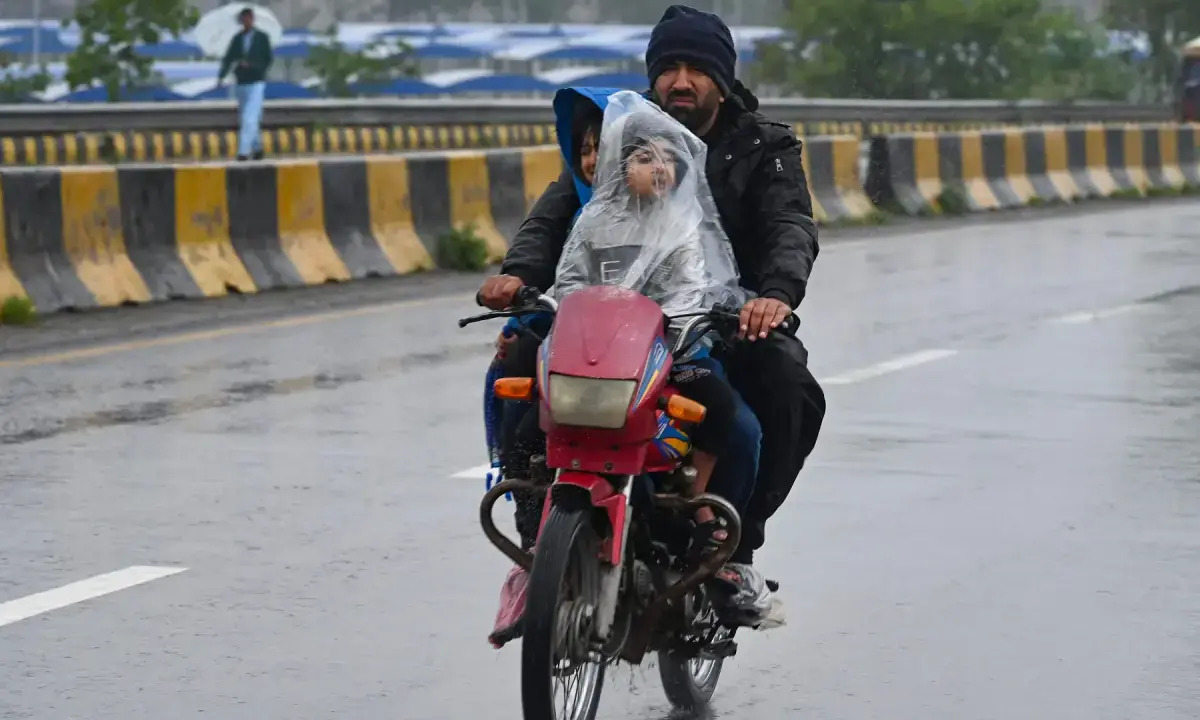
The Pakistan Meteorological Department (PMD) has issued a high-alert weather advisory warning of heavy rains, strong winds, thunderstorms, and isolated hailstorms across the upper regions of the country. According to official bulletins released by the Met Office, the adverse weather conditions are anticipated to manifest strongly between October 6 and October 7. This meteorological event is triggered by a fresh westerly wave system making its ingress into the upper territories of Pakistan.
The geographical footprint of this weather system spans multiple jurisdictions, encompassing Gilgit-Baltistan (GB), Azad Jammu and Kashmir (AJK), various districts of Khyber Pakhtunkhwa (KP), the upper and central tracts of Punjab, and the federal capital territory of Islamabad. Meteorological forecasters note that while seasonal transitions often bring atmospheric instability, this specific westerly disturbance carries sufficient moisture and energy to cause localized disruptions, flash flooding risks in vulnerable nallahs, and sharp drops in ambient temperatures across high-altitude corridors.
Commercial & Economic Implications
For Kalyar Traders and the wider commercial ecosystem of Pakistan, abrupt meteorological shifts of this magnitude carry immediate ramifications for supply chain logistics, wholesale distribution networks, and retail pricing mechanisms. The anticipated downpours and potential hailstorms pose a direct threat to standing autumn crops, particularly late-season harvests in Khyber Pakhtunkhwa and Punjab, which can trigger localized supply contractions and subsequent inflationary pressures on essential food commodities.
Furthermore, heavy rains and windstorms frequently disrupt primary national transport arteries, including the Karakoram Highway and major inter-provincial motorways. Temporary blockages caused by landslides in mountainous terrains severely impede the smooth flow of goods from northern production hubs down to major consumption markets in Punjab and Sindh. Wholesale distributors face extended transit times, elevated fuel costs, and potential inventory spoilage, inefficiencies that inevitably translate into higher retail costs for end consumers already grappling with inflationary headwinds.
Related Intelligence: US Bomber Redeployment from UK Sparks Global Security and Energy Market Reassessment
Stakeholder Perspectives & Market Reactions
Agricultural bodies and regional trade associations have expressed mounting concern over the timing of the adverse weather system. Representatives from various chambers of commerce in northern Pakistan have urged district administrations to activate disaster management cells and ensure preemptive clearing of drainage systems to mitigate urban flooding in commercial districts.
Logistics operators have also raised alarms regarding freight security during severe windstorms, calling for enhanced coordination with highway authorities to manage traffic flow proactively. Meanwhile, federal and provincial disaster management authorities have initiated advisory campaigns, urging farmers to take emergency protective measures for harvested crops and livestock while advising commuters to exercise extreme caution on mountainous routes.
Forward Outlook & Key Watchpoints
As the westerly wave persists through October 7, key stakeholders will monitor real-time meteorological updates and disaster response efficacy. The primary watchpoints for the business community include the duration and intensity of rainfall in agrarian belts, the operational status of major national highways, and subsequent price adjustments in wholesale produce markets. Immediate policy enforcement by local governments regarding traffic management and supply route clearances will prove critical in mitigating broader economic fallout.
Join Our Official WhatsApp Channel
Receive live commodity alerts, policy changes, and commercial intelligence directly on WhatsApp.