
US Caribbean Interdiction Strike Sparks Human Rights and Trade Route Scrutiny
United Nations warnings over a lethal US anti-drug strike in the Caribbean highlight growing legal and commercial risks for maritime trade in the region.
Geopolitical & Core Developments
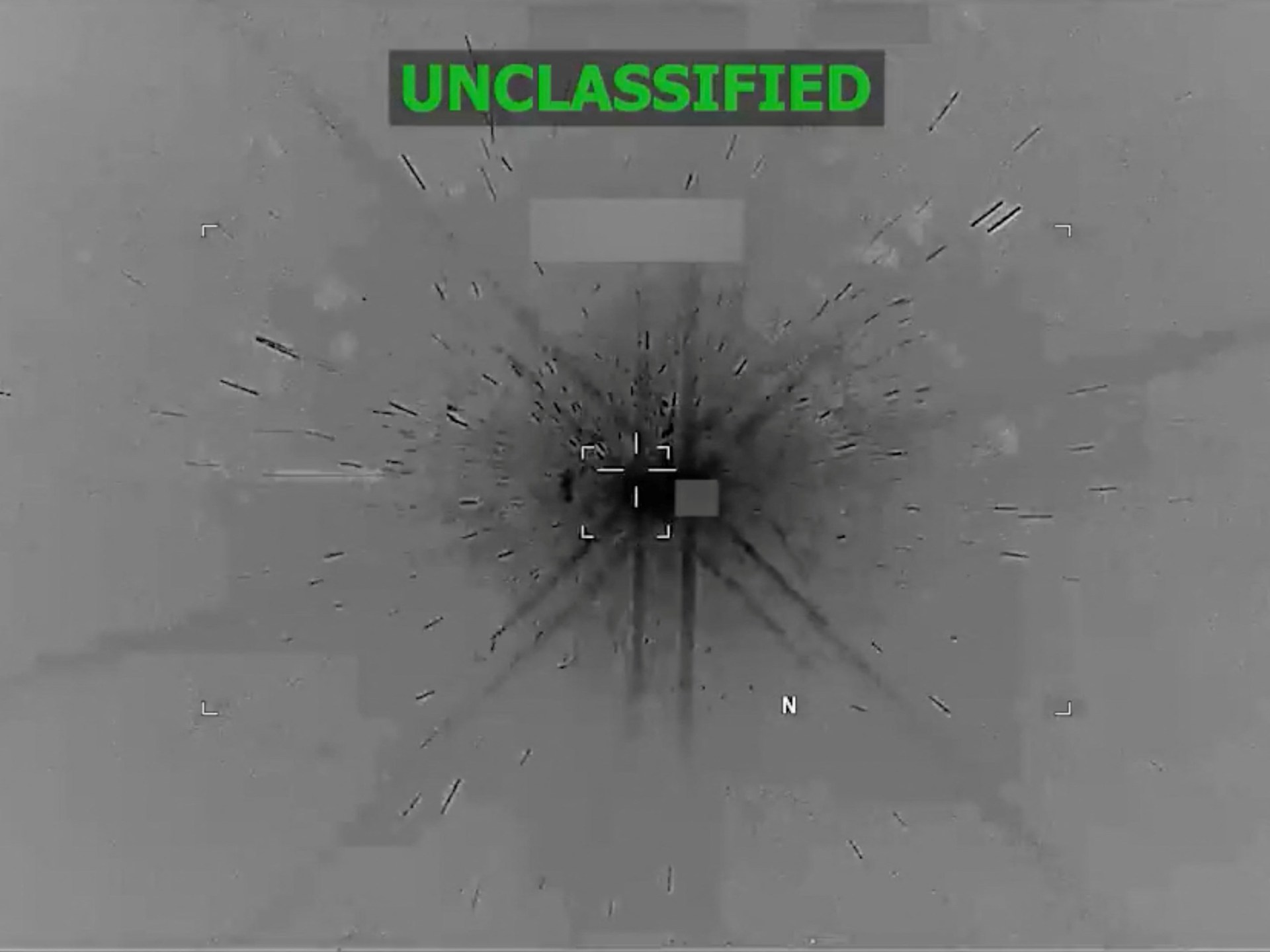
The United States military's execution of a kinetic strike against an alleged drug-trafficking vessel in the Caribbean Sea, resulting in four deaths, has intensified friction between Washington and international legal bodies. The operation underscores an increasingly aggressive posture by Western hemisphere security apparatuses aiming to dismantle transnational narcotics networks. However, the deployment of military-grade force outside of active armed conflict zones has ignited fierce debates over sovereignty, proportionality, and the rules of engagement governing maritime interdictions. State actors throughout Latin America and the Caribbean are closely monitoring the precedent set by this operation, fearing a militarization of regional waterways that could destabilize bilateral security cooperation and infringe upon territorial jurisdictions.
Global Trade & Economic Ripples
While primarily a security and humanitarian concern, the intensification of kinetic anti-narcotics operations carries direct implications for global supply chains and maritime commerce. The Caribbean basin serves as a vital artery for international shipping, connecting the Panama Canal to Atlantic and European markets. Increased naval patrols, restricted zones, and potential retaliatory asymmetric threats introduce operational friction for commercial cargo carriers and bulk commodity shipping. Furthermore, heightened regional instability can elevate marine war-risk insurance premiums for vessels traversing the Caribbean and adjacent Gulf of Mexico corridors, ultimately feeding inflationary pressures into global logistics networks and non-oil commodity pricing.
Related Intelligence: US Bomber Redeployment from UK Sparks Global Security and Energy Market Reassessment
International Reactions & Diplomatic Stances
The United Nations has taken a firm stance, issuing a formal caution that unilateral lethal actions under the guise of counter-drug operations risk violating fundamental international human rights principles and the United Nations Convention on the Law of the Sea (UNCLOS). Human rights organizations have echoed these concerns, demanding transparent investigations into the rules governing the use of lethal force against non-state actors at sea. Conversely, Washington defends the operations as vital national security measures necessary to neutralize violent criminal syndicates that undermine regional governance. Market analysts note that this diplomatic chasm creates regulatory uncertainty for multinational corporations operating in the Caribbean basin, complicating risk management strategies.
Strategic Outlook & Future Scenarios
Looking ahead, the trajectory of US counter-narcotics strategy in the Caribbean will likely face heightened judicial and legislative scrutiny, both domestically and internationally. Upcoming regional security summits will serve as crucial diplomatic testing grounds where Latin American governments are expected to press for multilateral oversight mechanisms to constrain uncoordinated military interventions. Should Washington persist with kinetic interdictions, diplomatic fallout could result in scaled-back intelligence sharing and joint patrols with key regional partners. For global markets, these developments signal a period of prolonged regulatory friction and elevated security risks along critical maritime transit corridors.
Join Our Official WhatsApp Channel
Receive live commodity alerts, policy changes, and commercial intelligence directly on WhatsApp.