
US Bomber Redeployment from UK Sparks Global Security and Energy Market Reassessment
The US withdrawal of strategic bombers from a key UK base prompts a global reassessment of Middle Eastern deterrence, sending ripples through international energy markets and diplomatic channels.
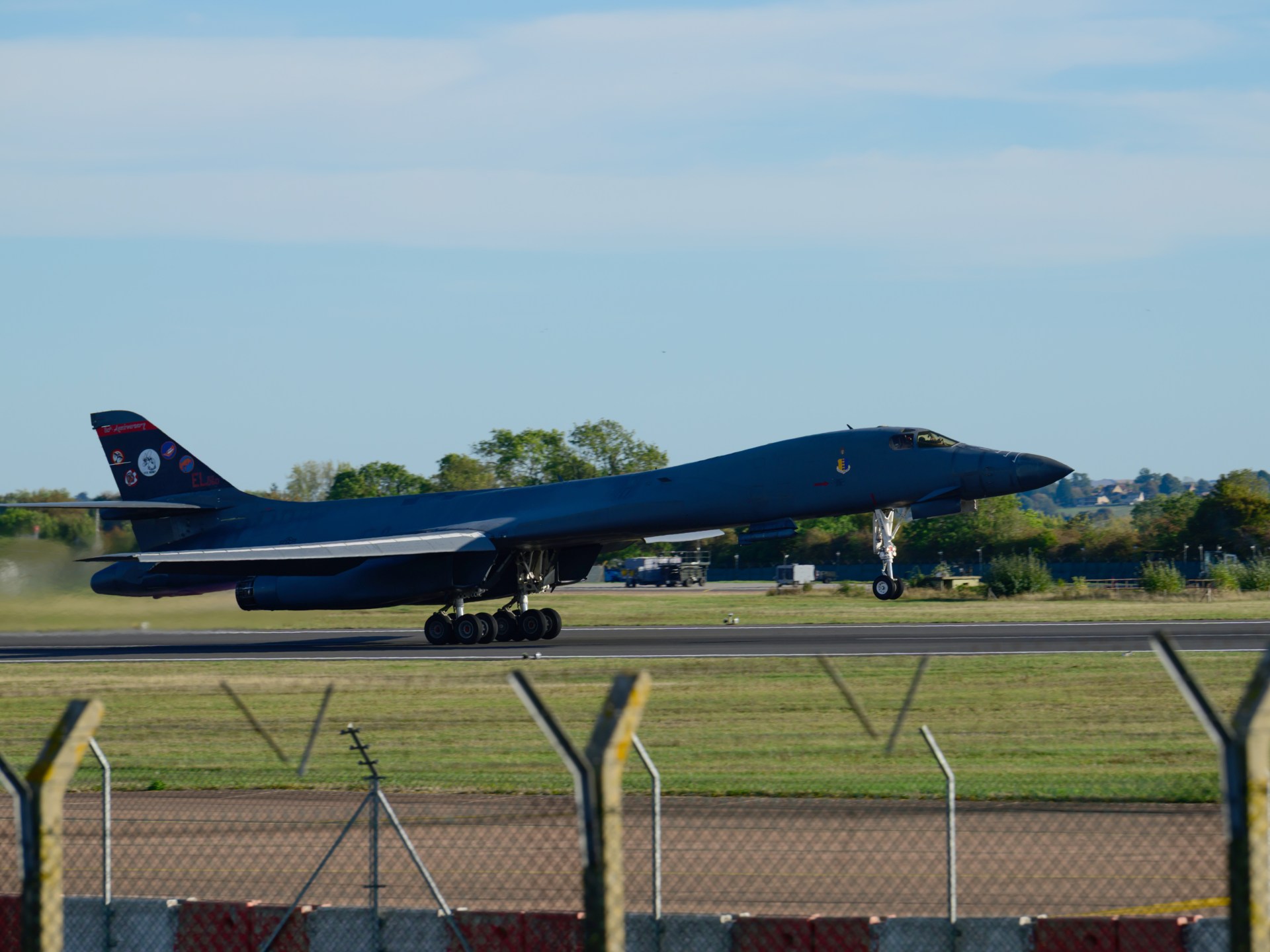
Geopolitical & Core Developments
The recent decision by the United States to withdraw strategic heavy bombers from its primary operating base in the United Kingdom has triggered intense scrutiny across international intelligence and diplomatic circles. While military planners emphasize that the redeployment forms part of a routine rotational adjustment and operational optimization, regional adversaries—most notably Iran—are actively evaluating the strategic implications. For years, the UK installation served as a critical, forward-deployed launchpad for transatlantic power projection, offering logistical advantages and rapid-response capabilities tailored for European and Middle Eastern theaters.
Tehran’s state media and military analysts have framed the repositioning as a tactical retreat forced by the deterrence posture of the Axis of Resistance. However, Western defense officials maintain that the core strike architecture remains entirely intact through carrier strike groups, regional partner facilities, and long-range continental assets. The maneuvering underscores a delicate cat-and-mouse game between Washington and Tehran, where every positional shift is scrutinized for signs of escalatory intent or de-escalation bargaining ahead of stalled nuclear diplomacy.
Global Trade & Economic Ripples
Beyond military calculations, the redeployment has sent immediate psychological tremors through global commodity markets, particularly concerning crude oil benchmarks and international shipping routes. The Persian Gulf, the Strait of Hormuz, and adjacent maritime corridors remain critical chokepoints through which a significant share of the world's petroleum transits daily. Any perceived shift in the US security umbrella over these waters directly impacts marine war risk insurance premiums and freight rates for supertankers.
Energy traders are pricing in the risk that fluctuating deterrence signals could embolden proxy groups to target energy infrastructure or maritime traffic. While physical supplies have not suffered immediate disruptions, futures contracts experienced heightened volatility as algorithmic desks reacted to headlines regarding changing US footprint postures in Europe and the Middle East. Multilateral corporations dependent on stable supply chains across the Suez Canal and Red Sea corridor are consequently revising contingency frameworks to hedge against sudden geopolitical shocks.
Related Intelligence: US Bomber Withdrawal from UK Base Triggers Global Market and Security Anxiety
International Reactions & Diplomatic Stances
Official responses from international bodies and allied capitals have emphasized stability, deterrence, and the necessity of open communication channels. European Union foreign policy representatives urged all parties to avoid miscalculations that could ignite broader regional conflict. Meanwhile, Gulf Cooperation Council members have quietly sought reassurances from Washington that America's long-term security commitments to the Arabian Peninsula remain uncompromised despite the European-based asset shifts.
Market analysts at major financial institutions noted that diplomatic backchannels remain active, with regional intermediaries attempting to ascertain whether the bomber redeployment signals a pivot toward localized containment or a broader restructuring of American global military commitments. The United Nations has issued renewed calls for restraint, warning that escalating rhetoric combined with shifting military postures increases the hazard of accidental engagement.
Strategic Outlook & Future Scenarios
Looking ahead, the trajectory of US-Iran dynamics will likely hinge on upcoming diplomatic milestones, domestic political transitions in Western capitals, and compliance enforcement regarding international sanctions. If Tehran interprets the bomber withdrawal as a sign of strategic fatigue, it may be emboldened to test regional boundaries through maritime harassment or proxy actions, raising the specter of a kinetic response.
Conversely, if Washington uses the operational pivot to streamline forces while reinforcing regional partnerships through integrated air defense initiatives, stability could be preserved. Global investors must prepare for a protracted period of heightened geopolitical risk, where commodity pricing remains hypersensitive to defense realignments and intelligence assessments regarding Middle Eastern security.
Join Our Official WhatsApp Channel
Receive live commodity alerts, policy changes, and commercial intelligence directly on WhatsApp.