
Okinawa Tragedy Revives US Military Footprint Debate and Security Strains
The brutal murder of 39-year-old Anna Yagi by a US service member in Okinawa has reignited fierce opposition to American military bases in Japan, threatening bilateral security pacts and regional stability.
Geopolitical & Core Developments
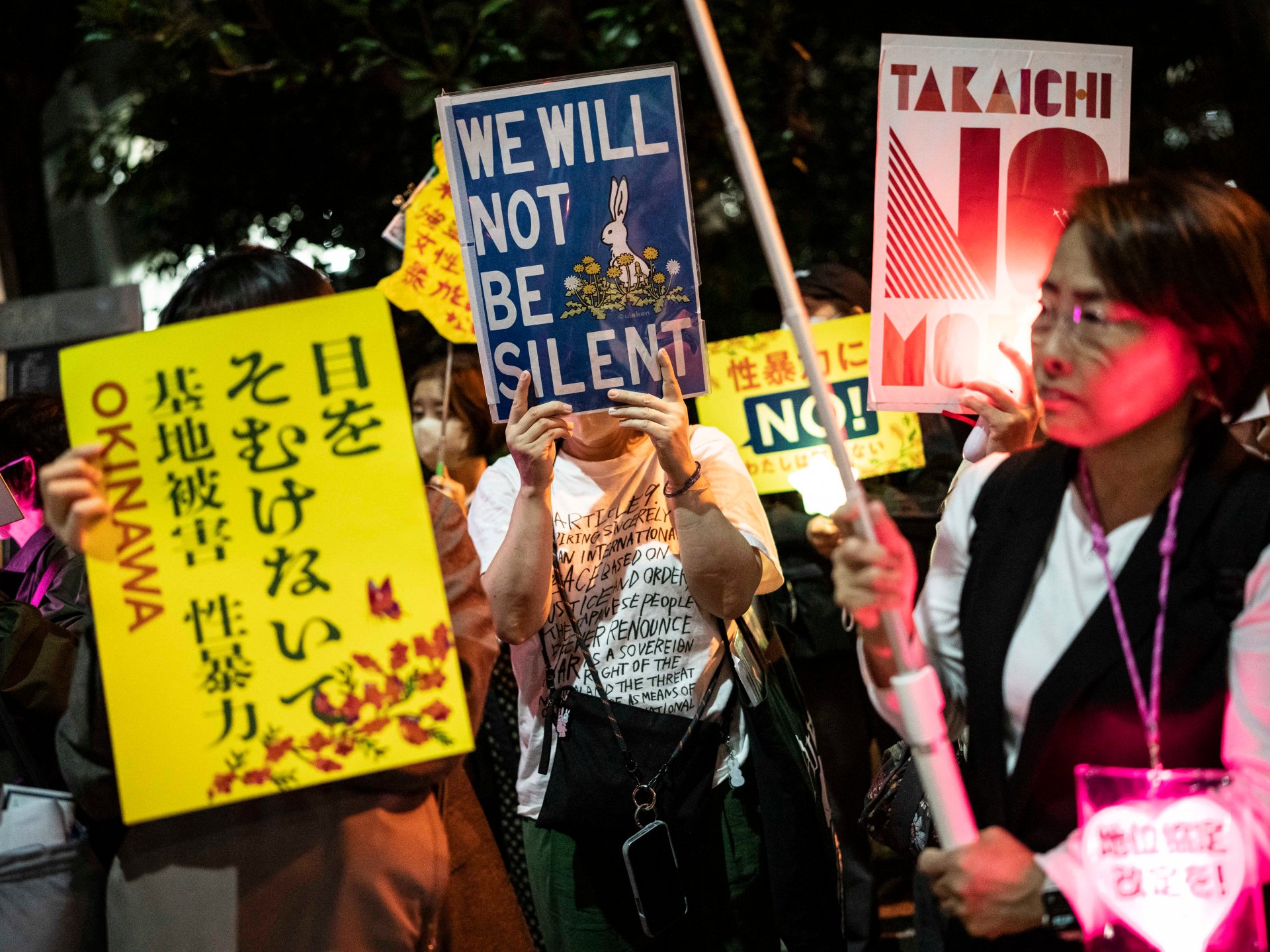
The tragic murder of 39-year-old Anna Yagi in Okinawa has once again thrust the controversial US military presence in Japan to the forefront of international geopolitics. Okinawa hosts the vast majority of American military personnel stationed in Japan, a legacy of the post-World War II security architecture designed to project power across the Indo-Pacific. However, the latest incident has catalyzed long-simmering local grievances regarding crime, sovereignty, and the legal immunities granted under the US-Japan Status of Forces Agreement (SOFA).
For decades, residents of the prefecture have protested the heavy military burden, citing environmental damage, aircraft noise, and recurring offenses committed by service members. The brutal nature of Yagi's killing has transformed local discontent into a national political flashpoint, compelling Tokyo and Washington to manage delicate diplomatic negotiations while balancing their shared deterrence strategy against rising regional superpowers.
[Global Trade](/news/black-sea-grain-strike-escalates-maritime-risks-global-trade) & Economic Ripples
While security arrangements primarily drive the US-Japan alliance, prolonged civil unrest and political friction in Okinawa carry tangible economic implications for global supply chains and maritime commerce. Okinawa occupies a strategic geographic node near vital shipping lanes in the East China Sea, through which trillions of dollars in goods, energy commodities, and raw materials transit annually.
Any sustained protests, civil disobedience, or blockades targeting US installations could disrupt regional logistics hubs, delay commercial maritime operations, and impact regional currency valuations, particularly the Japanese Yen. Furthermore, heightened political risk in the prefecture complicates infrastructure development projects, including the contentious relocation of the Futenma air station to Henoko, leading to potential cost overruns and budgetary reallocation for both governments.
Related Intelligence: Black Sea Grain Strike Escalates Maritime Risks for Global Trade
International Reactions & Diplomatic Stances
Official responses from Washington and Tokyo have emphasized deep condolences and a commitment to full cooperation in the judicial process. However, human rights organizations and local prefectural leaders have renewed calls for a comprehensive overhaul of the SOFA agreement, arguing that current legal frameworks shield foreign personnel from Japanese jurisdiction.
International observers note that the incident provides strategic leverage for regional competitors seeking to exploit friction within the US-allied network. Multilateral bodies and regional analysts are closely monitoring Tokyo's response, as Prime Minister's office faces mounting domestic pressure to assert greater sovereign oversight without undermining the cornerstone bilateral security treaty that underpins East Asian stability.
Strategic Outlook & Future Scenarios
The trajectory of US-Japan relations in the wake of the Okinawa tragedy hinges on how swiftly and transparently judicial proceedings are conducted. If public outrage deepens, Governor Denny Tamaki and local municipal assemblies may intensify opposition to base operations, potentially freezing critical military realignment projects.
Upcoming diplomatic summits between Washington and Tokyo will likely feature closed-door discussions on revising SOFA enforcement guidelines to mitigate local friction. Failure to address these systemic grievances risks a permanent fracture in civil-military relations, altering the strategic calculus for American force posture in the Western Pacific and influencing broader geopolitical alignments across the Indo-Pacific theater.
Join Our Official WhatsApp Channel
Receive live commodity alerts, policy changes, and commercial intelligence directly on WhatsApp.