
Pakistan Targets Afghan Terror at Moscow Security Summit
At the Moscow Format Consultations, Pakistan stressed that cross-border terrorism remains the central obstacle to Afghan stability, pledging robust measures to secure its borders.
The Core Development
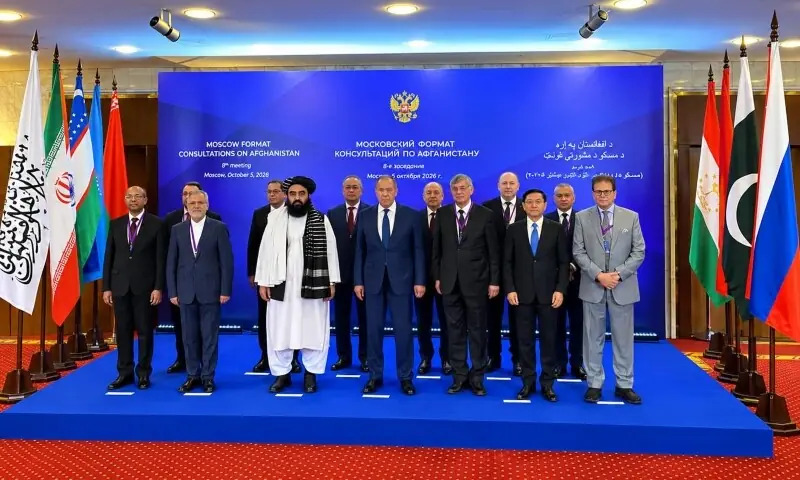
At the eighth meeting of the Moscow Format Consultations on Afghanistan, Pakistan placed cross-border militancy at the forefront of regional deliberations. Addressing international and regional delegates in the Russian capital, Pakistan’s Special Representative for Afghanistan, Mohammad Sadiq, delivered a stark assessment, declaring that terrorism remains the core of Afghanistan's intractable problems. The high-level diplomatic moot brought together key regional players, including host Russia, Afghanistan, and neighboring states, to forge a unified stance on the war-torn nation's security architecture.
Elaborating on Islamabad's security doctrine, Sadiq reaffirmed that Pakistan will continue to deploy all appropriate measures necessary to ensure the absolute safety and security of its citizens. Emphasizing compliance with international law, the Pakistani delegation underscored that sustained regional stability is fundamentally contingent upon the deactivation of militant networks operating with impunity from Afghan territory. The Foreign Office in Islamabad subsequently released an official statement detailing the proceedings, highlighting that regional cooperation is vital to addressing the multi-layered crisis.
Commercial & Economic Implications
Insecurity along the western frontier exerts a direct, quantifiable toll on Pakistan's commercial vitality, retail trade, and wholesale distribution networks. Protracted instability in Afghanistan chronically disrupts vital overland trade routes, including the Khyber Pass and the Chaman border crossing, which serve as crucial conduits for bilateral commerce and transit trade with Central Asia. Supply chain bottlenecks caused by periodic border closures translate directly into inventory shortages, inflated logistics costs, and upward pressure on commodity prices within domestic markets.
For Pakistani traders and manufacturers, unpredictable border dynamics aggravate inflationary pressures, complicate cross-border settlements, and deter foreign direct investment in border economic zones. The sustained threat of terrorism necessitates heightened security expenditures by the state, diverting fiscal space from infrastructure development and trade facilitation. A secure, stable western border is therefore an indispensable economic prerequisite for reviving regional trade corridors and achieving sustainable macroeconomic recovery in Pakistan.
Related Intelligence: Okinawa Tragedy Revives US Military Footprint Debate and Security Strains
Stakeholder Perspectives & Market Reactions
Business councils, chambers of commerce, and trader associations across Pakistan have consistently voiced acute concern over the economic fallout of border instability. Representatives from the Khyber Pakhtunkhwa and Balochistan chambers of commerce note that recurring security alerts and trade suspensions inflict severe financial losses on importers, exporters, and transport operators.
Official policy circles maintain that diplomatic engagement through platforms like the Moscow Format must be leveraged to pressure the interim Afghan administration into fulfilling counter-terrorism commitments. Legal experts and policy analysts emphasize that while bilateral diplomacy is essential, Pakistan retains an unassailable sovereign right under international law to defend its territorial integrity and protect its populace from external security threats.
Forward Outlook & Key Watchpoints
As diplomatic channels remain active, the coming months will test the practical efficacy of commitments made at the Moscow Format. Key watchpoints include the tangible implementation of counter-terrorism measures by Kabul, the frequency and operational efficiency of border crossings, and the trajectory of bilateral trade volumes.
Policy enforcement by Pakistani security apparatuses will remain stringent along the frontier. Economists and trade bodies will closely monitor upcoming bilateral trade negotiations and regional security dialogues to gauge whether diplomatic pressure can successfully translate into durable stability and expanded commercial opportunities across Central Asian markets.
Join Our Official WhatsApp Channel
Receive live commodity alerts, policy changes, and commercial intelligence directly on WhatsApp.