
Libyan Educational Crisis Threatens National Stability and Energy Supply Chains
Escalating teacher strikes across Libya paralyze the academic year and threaten wider labor mobilization, raising profound risks for the nation's critical energy sector and regional stability.
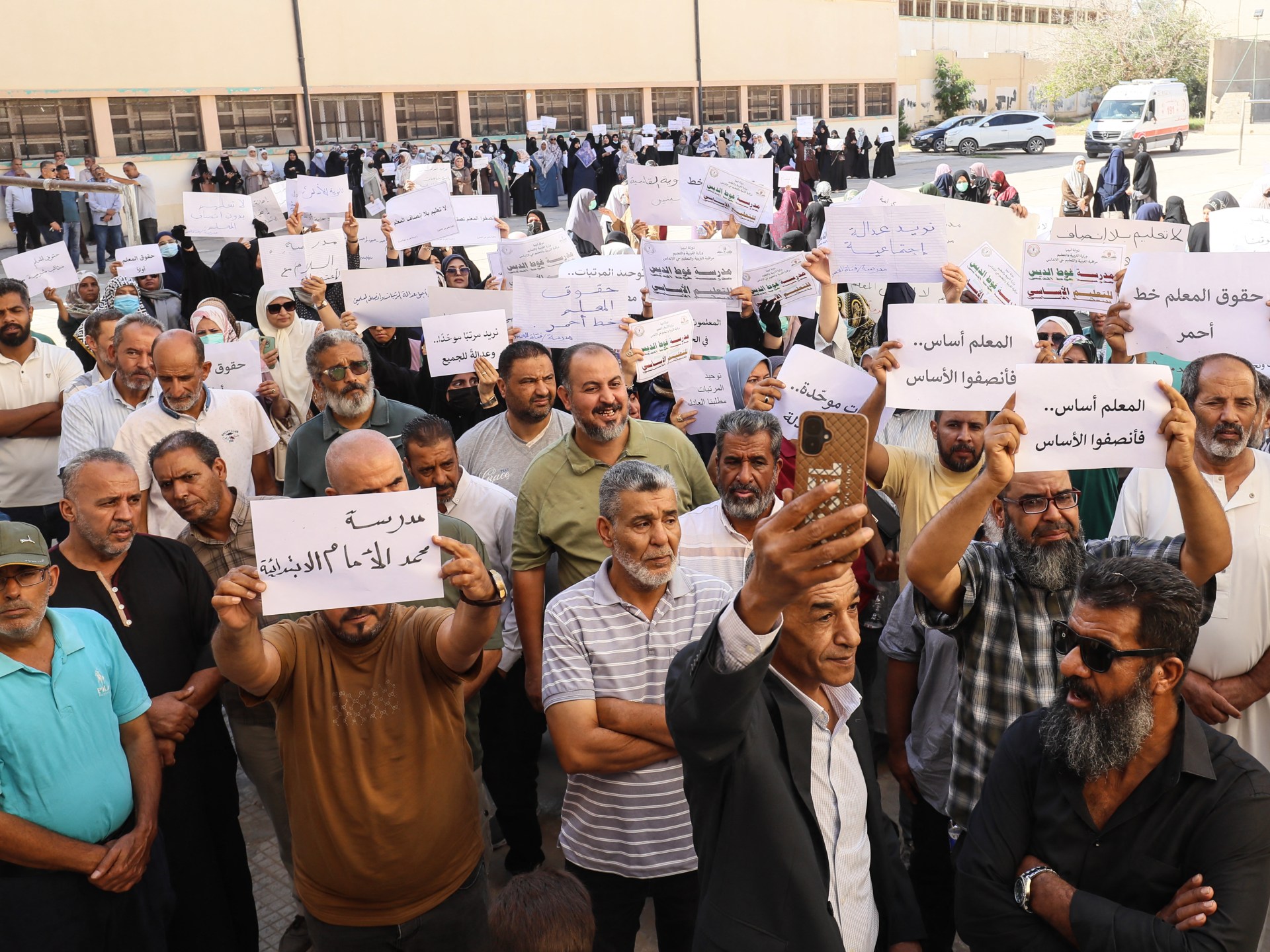
Geopolitical & Core Developments
The Libyan education sector has plunged into a severe structural crisis as a nationwide teachers' strike enters an escalatory phase, paralyzing public schooling across the fractured North African state. The General Syndicate of Teachers, spearheading the movement, has flatly rejected incremental government concessions, demanding comprehensive institutional overhauls, substantial wage adjustments indexed to inflation, and modernized school infrastructure. This industrial action has effectively placed the academic year on indefinite hold, drawing sympathy strikes and tactical alignment from municipal workers, transportation unions, and administrative bodies.
At the heart of the crisis lies the deep institutional fragmentation that has plagued Libya since the fall of the Gaddafi regime in 2011. With authority contested between the UN-backed Government of National Unity (GNU) in Tripoli and rival administrative apparatuses in the east, public sector grievances are routinely weaponized within broader political power struggles. The inability of state authorities to disburse consistent public sector salaries amidst fluctuating hydrocarbon revenues has transformed localized labor disputes into systemic governance tests. As union leaders threaten to shut down critical municipal services, the fragility of the current political status quo is laid bare, threatening to ignite renewed civil unrest across major urban centers including Tripoli, Benghazi, and Misrata.
Global Trade & Economic Ripples
While ostensibly rooted in domestic public administration and educational reform, the teachers' strike carries profound implications for global commodity markets and international trade channels. Libya holds Africa's largest proven crude oil reserves, and its economy is overwhelmingly dependent on hydrocarbon exports directed primarily toward European refiners. International energy traders are closely monitoring the unrest due to the credible threat that labor militancy could easily propagate into the National Oil Corporation (NOC) and associated upstream facilities.
Any coordinated labor action or forced closures within the petroleum sector would instantly constrain light, sweet crude supplies to the Mediterranean basin, exacerbating supply tightness for European economies seeking alternatives to Russian energy imports. Furthermore, shipping lanes through the central Mediterranean and vital logistical nodes tied to Libyan ports remain vulnerable to secondary disruptions should civil disobedience escalate into broader blockades. Currency stability is also under severe strain; prolonged domestic paralysis threatens foreign exchange reserves managed by the Central Bank of Libya, potentially triggering inflationary shocks that would ripple through regional import markets for foodstuffs and manufactured goods.
Related Intelligence: Yemeni Government Offensive Threatens Strategic Red Sea Shipping Lanes
International Reactions & Diplomatic Stances
Regional and international stakeholders have expressed growing alarm over the deteriorating domestic situation in Tripoli. Representatives from the United Nations Support Mission in Libya (UNSMIL) have issued urgent calls for constructive social dialogue, emphasizing that institutional functionality is a prerequisite for any credible path toward long-delayed national elections. Western diplomatic missions in Tunis and Tripoli have urged restraint, warning that unaddressed socio-economic grievances provide fertile ground for opportunistic militia mobilization and extremist infiltration.
Market analysts and risk intelligence firms note that foreign investors view the education strike as a litmus test for the GNU's capacity to maintain basic internal security and administrative control. Multilateral lending institutions and development partners stress that structural reforms in public finance and civil service compensation are non-negotiable requirements for long-term economic rehabilitation, cautioning against short-term fiscal band-aids that fail to resolve systemic corruption and budgetary opacity.
Strategic Outlook & Future Scenarios
Looking ahead, the trajectory of the Libyan crisis will depend heavily on whether the central authorities can negotiate a sustainable fiscal compromise with organized labor before the movement metastasizes into a general strike affecting the energy sector. Upcoming diplomatic summits focused on North African security will likely incorporate emergency assessments of Libyan labor stability, given the direct correlation between domestic governance failures and unauthorized migration flows across the Mediterranean.
If the GNU fails to appease the unions, Libya faces a severe risk of compounding geopolitical escalation, characterized by renewed blockades of oil terminals, currency devaluation, and the total erosion of state legitimacy. Conversely, a negotiated settlement addressing core wage and infrastructure demands could temporarily stabilize the administrative apparatus, though the underlying structural vulnerabilities of the Libyan state will continue to pose enduring risks to international trade and regional security.
Join Our Official WhatsApp Channel
Receive live commodity alerts, policy changes, and commercial intelligence directly on WhatsApp.