
United Russia Secures Supermajority Amid Mounting War Fatigue
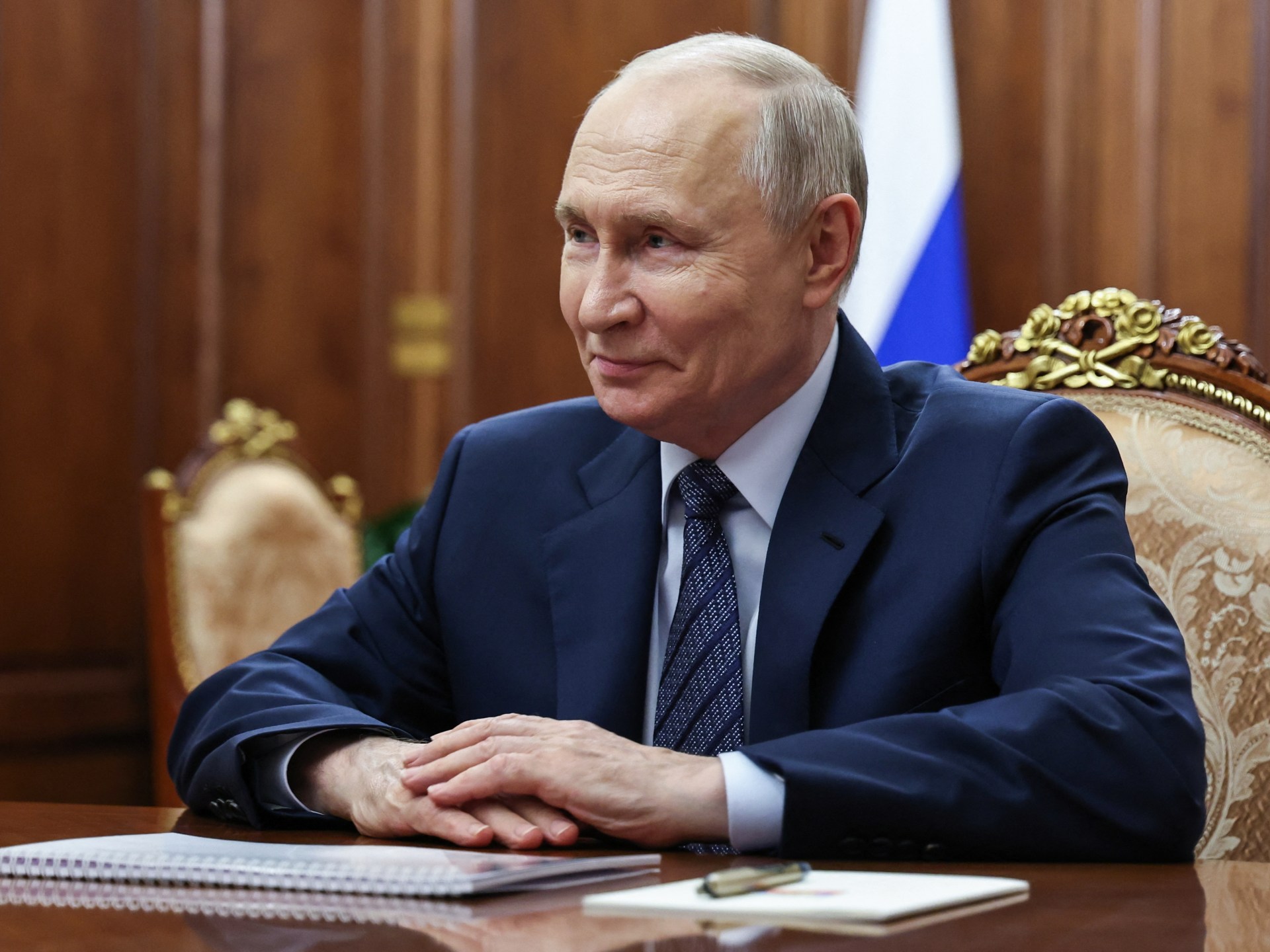
President Vladimir Putin's ruling party has secured a parliamentary supermajority, consolidating domestic power despite growing public war fatigue and intense international pressure.
Geopolitical & Core Developments
President Vladimir Putin’s ruling United Russia party has decisively retained its legislative supermajority following a tightly controlled parliamentary election cycle. The electoral outcome effectively solidifies the Kremlin's domestic political apparatus, granting the administration an unhindered mandate to pursue its long-term strategic objectives. However, this formal consolidation of power occurs against a backdrop of mounting domestic anxiety and quietly simmering public fatigue regarding the protracted military campaign in Ukraine. While opposition voices remain heavily marginalized and institutional checks continue to be severely constrained, the state apparatus has doubled down on internal security measures to suppress dissent. State media framing has consistently emphasized national resilience and confrontation with Western adversaries, portraying the legislative victory as an unyielding endorsement of presidential authority. Yet, behind the official narrative of national unity, political analysts note a growing disconnect between the Kremlin's expansive geopolitical ambitions and the daily economic strains experienced by ordinary citizens grappling with inflation, labor shortages, and international isolation.
Global Trade & Economic Ripples
The entrenchment of the current political status quo carries profound implications for global commodity markets, energy supplies, and international shipping lanes. With United Russia maintaining absolute legislative dominance, foreign investors and multinational corporations can anticipate uninterrupted continuity in Moscow's state-directed economic policies, resource nationalism, and retaliatory trade measures. Energy markets remain particularly sensitive to these political dynamics, as European and Asian buyers continue to navigate complex supply chains altered by Western sanctions, price caps, and redirected crude flows. Major commodity benchmarks for oil, natural gas, fertilizers, and industrial metals are expected to remain volatile, reacting swiftly to any shifts in export quotas or maritime security frameworks in the Black Sea. Furthermore, bilateral trade mechanisms between Russia and its expanding roster of non-Western partners, notably China and India, will likely face accelerated institutionalization, bypassing traditional dollar-denominated settlement systems and reshaping global currency corridors.
Related Intelligence: Pakistan and Iran Forge Deeper Ties for Regional Stability and Trade
International Reactions & Diplomatic Stances
The international community has responded to the election results with a mixture of predictable condemnation and calculated pragmatism. Western capitals and multilateral institutions, including the European Union and the United States, reiterated longstanding concerns regarding the lack of genuine political pluralism, independent election monitoring, and freedom of expression throughout the voting process. Diplomatic spokespersons emphasized that the outcome fails to meet international standards for democratic transparency. Conversely, traditional allies and strategic partners of Moscow offered swift congratulatory messages, praising the stability and leadership of the Russian government. Market analysts and geopolitical risk consultancies suggest that foreign ministries are viewing the election primarily as a baseline indicator of regime durability rather than a catalyst for diplomatic rapprochement, signaling that Western sanctions regimes will remain firmly entrenched for the foreseeable future.
Strategic Outlook & Future Scenarios
Looking ahead, the unchallenged legislative authority of the ruling party clears the path for the Kremlin to implement stringent budgetary measures, prioritize defense-industrial output, and absorb prolonged economic friction without facing domestic legislative pushback. Upcoming international summits, including prospective gatherings of the G20, BRICS, and bilateral engagements with key Global South partners, will serve as critical barometers for Russia's diplomatic positioning. Observers anticipate that geopolitical escalation points will likely center around contested maritime corridors, grain export security, and further hardening of financial infrastructure against Western enforcement. As the conflict in Ukraine enters subsequent phases, the regime's domestic invulnerability ensures that state strategy will remain steadfast, leaving little room for negotiated compromises and cementing a protracted era of strategic confrontation between Moscow and the West.
Join Our Official WhatsApp Channel
Receive live commodity alerts, policy changes, and commercial intelligence directly on WhatsApp.