
Gambian Military Trial Tests West African Stability and Trade Confidence
The military trial of former Gambian death squad leader Sanna Manjang underscores institutional reform in West Africa, reinforcing the rule of law and regional commercial stability.
Geopolitical & Core Developments
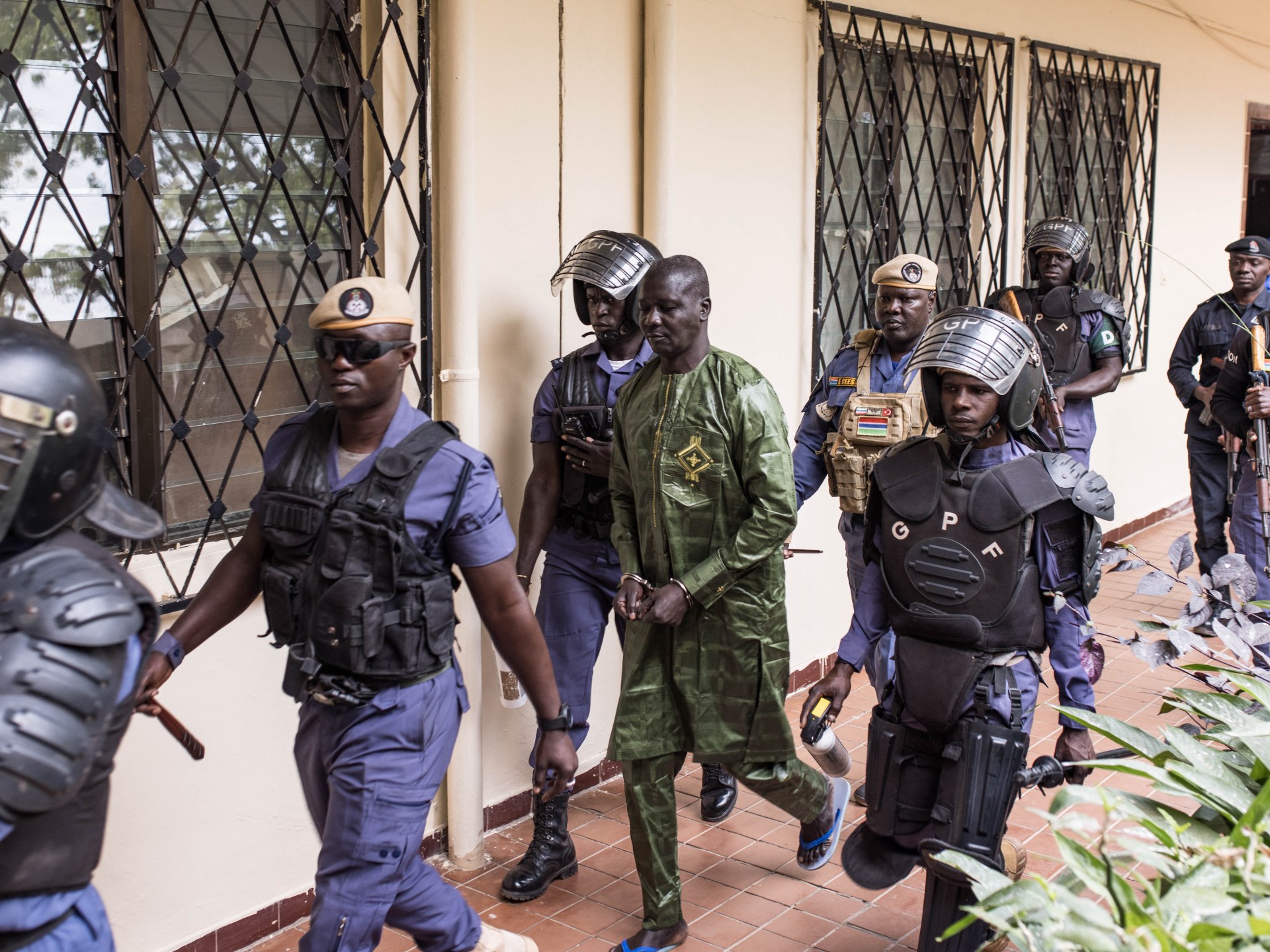
The commencement of military court proceedings against Sanna Manjang, a notorious former figure linked to the paramilitary 'Junglers' death squad under ex-President Yahya Jammeh, marks a critical juncture in The Gambia's democratic transition. Manjang faces formal charges of military desertion following his disappearance in 2017, when Jammeh's autocratic twenty-year rule collapsed under regional pressure and the intervention of the Economic Community of West African States (ECOWAS). For over two decades, Jammeh's regime exercised absolute control, utilizing specialized security units to suppress political dissent and eliminate opposition figures. The ongoing trial is not merely a localized disciplinary action within the Gambian Armed Forces; it represents a foundational test of the state's judicial capacity to dismantle entrenched impunity networks. President Adama Barrow's administration has faced persistent challenges in balancing transitional justice with military cohesion. Analysts note that prosecuting figures associated with past human rights abuses requires delicate navigation to prevent internal security fractures while satisfying domestic and international demands for accountability. The proceedings unfold against a backdrop of broader regional instability in the Sahel and coastal West Africa, where institutional resilience remains paramount for preventing democratic backsliding and managing cross-border security threats.
Global Trade & Economic Ripples
While The Gambia represents a modest share of the global economy, developments in West African governance directly influence investor sentiment and risk premiums across the broader sub-Saharan trade corridor. The nation is a critical transshipment hub and a key regional market for agricultural commodities, particularly peanut exports and associated derivatives. International commodity traders and maritime logistics firms closely monitor political stability in Banjul, as any sign of internal unrest threatens vital supply chain continuity along the Gambia River and surrounding transit routes. Furthermore, foreign direct investment into the country's burgeoning tourism sector and infrastructural projects hinges upon predictable legal frameworks and unwavering commitments to the rule of law. A transparent, internationally observed military trial reassures foreign lenders, multilateral development banks, and private equity investors that the post-Jammeh era provides a secure, rules-based environment for capital deployment. Conversely, any judicial failures or perceived political interference could elevate sovereign risk ratings, driving up borrowing costs and dampening commercial engagement across the region.
Related Intelligence: Pakistan and Iran Forge Deeper Ties for Regional Stability and Trade
International Reactions & Diplomatic Stances
The international community, led by the United Nations, the African Union, and ECOWAS, has closely followed the accountability process in Banjul as a benchmark for transitional justice in post-authoritarian states. Diplomatic missions in Dakar and Banjul have issued supportive statements commending the Gambian government's dedication to reforming security sector institutions. Human rights organizations, including Amnesty International and Human Rights Watch, have emphasized that prosecuting deserters like Manjang must serve as a precursor to addressing broader atrocities committed during the Jammeh regime. Market analysts and risk assessment agencies have similarly framed the trial as an encouraging indicator of institutional maturation. Financial institutions evaluating West African markets view judicial reform as an essential risk-mitigation factor, signaling that governance standards are aligning with international benchmarks necessary for long-term economic integration and partnership agreements with the European Union and international trade blocs.
Strategic Outlook & Future Scenarios
Looking ahead, the trajectory of Manjang's trial will likely set a legal precedent for upcoming tribunals involving other high-ranking members of the former regime. The Barrow administration faces the complex task of concluding these proceedings without provoking retaliatory actions from loyalist factions still embedded within regional security networks. Upcoming regional summits convened by ECOWAS will likely review The Gambia's security sector reform progress, using the trial as a case study for demobilization and reintegration initiatives across the continent. For global investors and trade partners, a successful, transparent prosecution will solidify confidence in The Gambia's long-term political stability, paving the way for enhanced foreign participation in infrastructure, energy, and agricultural sectors. However, any mismanagement of the judicial process risks reigniting political tensions, underscoring the delicate balance between historical accountability and future economic prosperity.
Join Our Official WhatsApp Channel
Receive live commodity alerts, policy changes, and commercial intelligence directly on WhatsApp.