
Pakistan and Iran Forge Deeper Ties for Regional Stability and Trade
Interior Minister Mohsin Naqvi met Iranian leadership in Tehran to bolster bilateral relations, security cooperation, and regional stability.
The Core Development
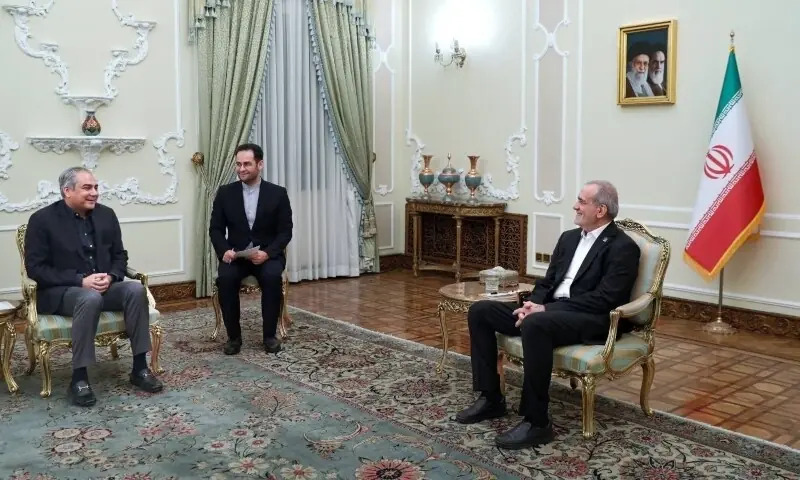
In a significant diplomatic engagement aimed at bolstering bilateral cooperation, Pakistan's Interior Minister Mohsin Naqvi undertook a high-profile official visit to Tehran, where he held extensive consultations with top Iranian civilian leadership. The discussions culminated in high-level meetings with Iranian Interior Minister Eskandar Momeni and subsequently with Iranian President Masoud Pezeshkian, as reported by Iran's state-run media outlets.
According to official statements released by Pakistan's interior ministry, the dialogue focused extensively on comprehensive bilateral relations, border management frameworks, and the evolving geopolitical landscape across South and West Asia. During the formal interactions, the Iranian leadership specifically lauded the concerted efforts of Pakistan's civil-military leadership, acknowledging the constructive roles played by Prime Minister Shehbaz Sharif and Chief of Army Staff General Asim Munir in advancing regional security and fostering an environment conducive to long-term stability.
Commercial & Economic Implications
For business houses and commercial entities operating under Kalyar Traders, enhanced diplomatic and security alignment between Islamabad and Tehran holds profound economic significance. A secure and stable Western border is a fundamental prerequisite for unhindered overland trade, formalizing cross-border commerce, and expanding bilateral export volumes between Pakistan and Iran.
Historically, unofficial trade and logistical bottlenecks across the Baluchistan border have posed challenges for wholesale distributors and retail markets dealing in cross-border commodities. Closer institutional coordination is expected to streamline customs procedures, curtail illicit smuggling that undercuts legitimate tax-paying businesses, and stabilize supply chains for essential imported goods. By lowering transit risks, both nations can optimize energy corridors and bilateral barter mechanisms, directly impacting regional wholesale pricing, mitigating supply-side inflationary pressures, and fostering predictable commercial planning for Pakistani merchants.
Related Intelligence: Kalyar Traders Warns Economic Fallout as PPP Urges Political Restraint
Stakeholder Perspectives & Market Reactions
Business councils, cross-border trade associations, and industrial bodies across Pakistan have responded positively to the diplomatic outreach. Representatives from chambers of commerce in the border regions noted that predictable state-to-state relations provide the necessary confidence for private sector investments in logistics, warehousing, and transport infrastructure.
Legal and policy analysts emphasize that formalizing trade agreements and enhancing intelligence-sharing frameworks will safeguard legitimate enterprises from regulatory friction. Official statements from both capitals underscored a mutual commitment to translating diplomatic goodwill into tangible economic dividends, signaling to the business community that bilateral connectivity remains a strategic priority for both governments.
Forward Outlook & Key Watchpoints
As Minister Naqvi concludes his visit, market participants and economic analysts will closely monitor the operationalization of the commitments made in Tehran. Key watchpoints include the implementation timeline for joint border markets, banking channel resolutions to facilitate formal trade settlements, and upcoming inter-ministerial reviews on security and economic cooperation.
For commercial stakeholders at Kalyar Traders, tracking these policy milestones will be critical in anticipating regulatory shifts, tariff adjustments, and infrastructural upgrades along the western frontier, ensuring strategic preparedness as bilateral economic ties enter a new phase of consolidation.
Join Our Official WhatsApp Channel
Receive live commodity alerts, policy changes, and commercial intelligence directly on WhatsApp.